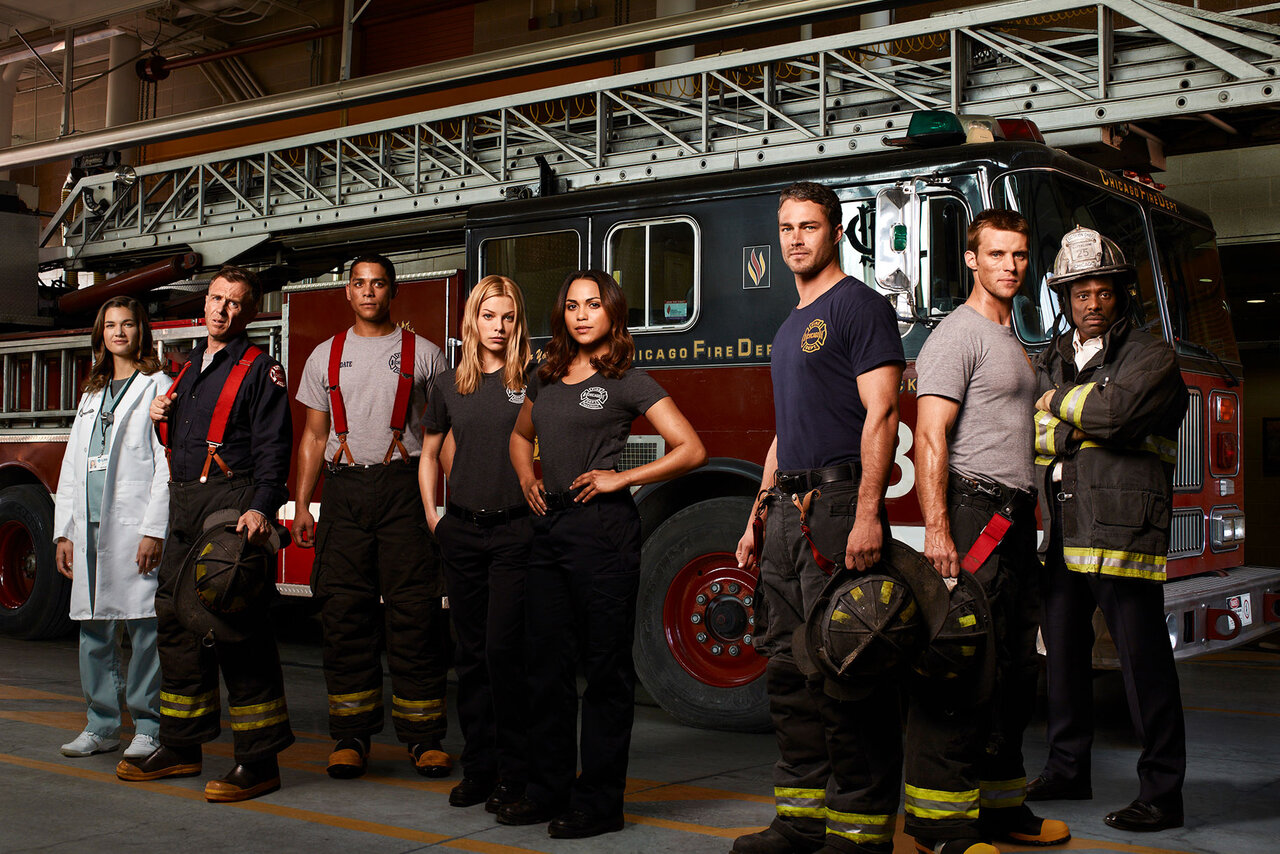
For over a decade, Chicago Fire has captivated audiences with its high-octane rescues and harrowing “cliffhangers.” However, as the series moves through its 2025-2026 season, a profound truth has emerged: the true heroism of Firehouse 51 has never been defined solely by those carrying the hoses or climbing the ladders. While the physical bravery of the crew is the show’s engine, the emotional fortitude and the “heroism of the heart” are what have kept the fire burning for so long.
The Architects of the Infrastructure: Beyond the Nozzle
The strength of 51 is built on an emotional foundation that allows the firefighters to face death daily. This begins with leadership. Chief Wallace Boden has always been the “shield” of the house, protecting his crew from the political storms of the CFD. His heroism is found in the quiet office moments where he absorbs the pressure of the bureaucracy so his team can focus on the mission.
Similarly, the role of the paramedics—currently led by the resilient Violet Mikami—represents a unique brand of courage. Operating on Ambulance 61, these heroes work without the heavy armor of a firefighter, often entering chaotic and intimate scenes where the battle is fought with a steady hand and a calm voice rather than a halligan tool.
The Unsung Pillars: Tradition and Support
Characters like Christopher Herrmann and Randall “Mouch” McHolland serve as the institutional memory of the house. Their heroism is found in the “quiet shifts.” Herrmann, as the moral compass, and Mouch, as the union protector, ensure that the traditions of the fire service are upheld. They are the ones who pull their younger colleagues back from the brink of burnout, proving that saving a fellow firefighter’s spirit is just as vital as saving a civilian’s life.
The Lifeline of Brotherhood and Sisterhood
The “Dynamic Duos” of the franchise, most notably the legendary bond between Kelly Severide and Matthew Casey, exemplify that no one survives 51 alone. This brotherhood isn’t just about tactical coordination during a 4-11 alarm; it’s about the vulnerability shared on the rooftop of the firehouse or over a drink at Molly’s. In the world of Chicago Fire, the real victory isn’t just extinguishing the flames—it’s ensuring that every member of the family makes it home mentally and emotionally whole.
The 2026 Perspective: The Heroism of Resilience
As we look toward the 2026 episodes, the show is increasingly focusing on the “aftermath.” The real bravery is now being portrayed through recovery and mental health. Following the departure of several veteran characters, the new recruits are learning that being a hero at 51 means more than just physical strength; it requires the courage to be vulnerable and the loyalty to put the “house” above the individual.