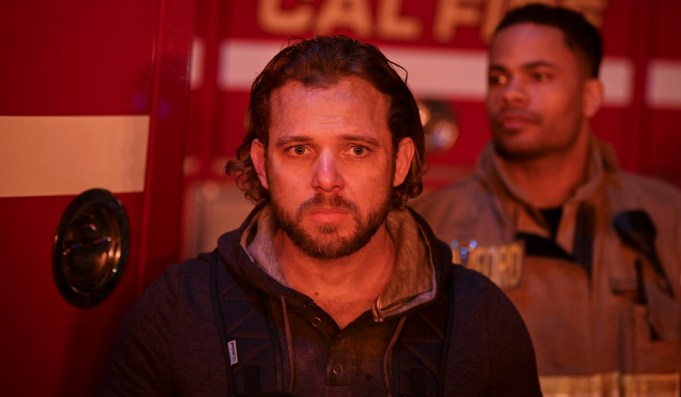
The landscape of Edgewater has always been volatile, defined by the unpredictable nature of California wildfires and the equally turbulent lives of the Leone family. However, Season 4 has introduced a tectonic shift that reframes the stakes entirely. While fans have spent years watching the crew battle external blazes, the latest narrative arc suggests that the most devastating threat isn’t the fire itself—it’s the crumbling foundations of the institutions and relationships meant to provide safety.
The Threat Within the Fire Line
For three seasons, the primary antagonist of Fire Country was nature. Every episode was a race against the clock to contain a physical threat. But Season 4 has pivoted, suggesting that internal instability is the new “Great Fire.”
The series is masterfully exploring how “danger” has evolved. We are no longer just looking at a brush fire; we are looking at the breakdown of the Three Rock program and the professional rot that threatens to dismantle the progress Bode has made. When the people tasked with protection become the source of the peril—whether through corruption, negligence, or personal vendettas—the stakes become infinitely more complex. The “unexpected place” where danger now resides is in the very ranks of the firefighters themselves.
Psychological Stakes and the “Shadow” Antagonist
What makes this shift so compelling is the psychological toll it takes on the characters. The series is leaning into the idea that you can outrun a fire, but you can’t outrun your own history.
-
Bode’s Vulnerability: Just as Bode finds his footing as a free man (or inches closer to it), the ground shifts. The twist suggests that his past “sins” are being weaponized against him in a way that legal redemption cannot fix.
-
The Family Fracture: The Leone family has survived grief and career-ending injuries, but the new challenges are systemic. The tension between Vince and Sharon isn’t just about their marriage anymore; it’s about their differing philosophies on how to handle the new, “invisible” threats facing their town.
This reframing forces the audience to look closer at the supporting cast. In Season 4, every new face and every “helpful” bureaucrat is viewed with suspicion. The show is teaching us that a smiling face in a uniform can be more dangerous than a crown fire.
Redefining the “Action” Procedural
By shifting the focus from physical danger to institutional and personal betrayal, Fire Country is evolving beyond the standard procedural format. It’s no longer just about the “call of the week.” Instead, the series is building a serialized mystery that asks: Who is actually pulling the strings in Edgewater?
This evolution mirrors the real-world complexities of emergency services, where the politics of the job can be as exhausting as the labor itself. Viewers are responding to this shift because it feels authentic. It acknowledges that even after the fire is out, the embers of human conflict continue to glow, often ready to reignite at the slightest breeze.
What Lies Ahead for Edgewater?
As Season 4 progresses, the central question is no longer “Will they put the fire out?” but “What will be left to save?” The surprising shift has successfully raised the bar, making every handshake and every closed-door meeting feel as high-stakes as a rescue mission on a cliffside.
The true brilliance of this twist lies in its unpredictability. By moving the “biggest threat” from the fire line to the shadows of the firehouse and the town hall, Fire Country has ensured that the audience can never truly feel safe. In this new era of the show, the most dangerous thing isn’t the heat—it’s the cold, calculated moves of those we thought were on our side.