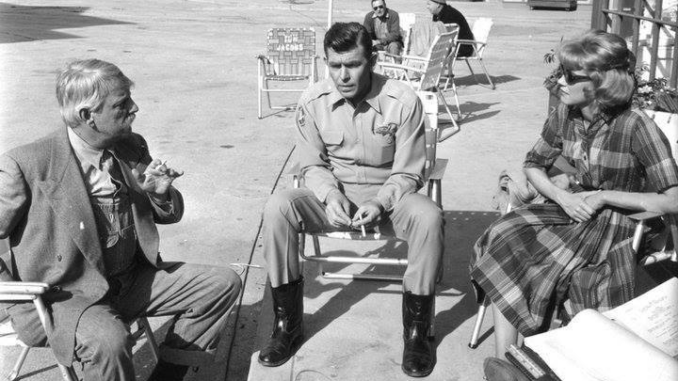
Although The Andy Griffith Show is remembered as a warm and cheerful series, the reality behind the scenes was sometimes more complicated.
Television production in the 1960s operated under rigid studio systems. Actors often had little control over their contracts or creative input.
One of the most frequently discussed issues involves Don Knotts, whose portrayal of Barney Fife became central to the show’s success.
Despite winning multiple Emmy Awards for the role, Knotts reportedly felt uncertain about his long-term future on the series. When he believed the show might end after five seasons, he accepted a film contract with Universal Pictures.
Another cast member who faced challenges was Frances Bavier, who played the beloved Aunt Bee. Bavier was known to be a serious stage actress and sometimes struggled with the pace and tone of sitcom production.
Reports from the set suggested that she occasionally clashed with others due to her dedication to professionalism.
These tensions were not unusual for television productions of the era. Long filming schedules, tight budgets, and creative differences often created stress behind the scenes.
Yet despite occasional conflicts, the cast ultimately produced a show that felt remarkably harmonious on screen.
That contrast—between backstage realities and on-screen warmth—remains one of the fascinating aspects of television history.