When The Paper was announced, fans of The Office braced for a reunion-themed revival. What they received was far more ambitious: a series rooted in the original world but designed to stand alone. Unlike typical reboots that lean heavily on familiar characters, The Paper expands the universe while welcoming new stories, personalities, and comedic rhythms that reflect a different workplace ecosystem.
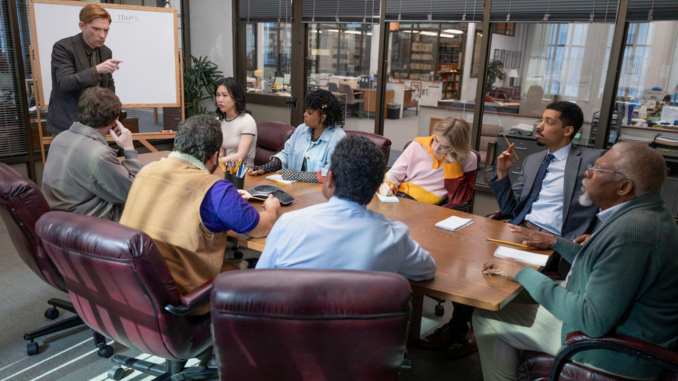
One of the boldest creative choices behind The Paper is its newsroom setting. The series places audiences inside the Toledo Truth-Teller, a local newspaper facing existential challenges amid the shifting landscape of media. This backdrop allows the show to explore themes of community relevance, the fight for truth in reporting, and the tensions between idealism and survival. Through this lens, The Paper balances humor with a touch of melancholic realism, underscoring the fragility of institutions once thought stable.
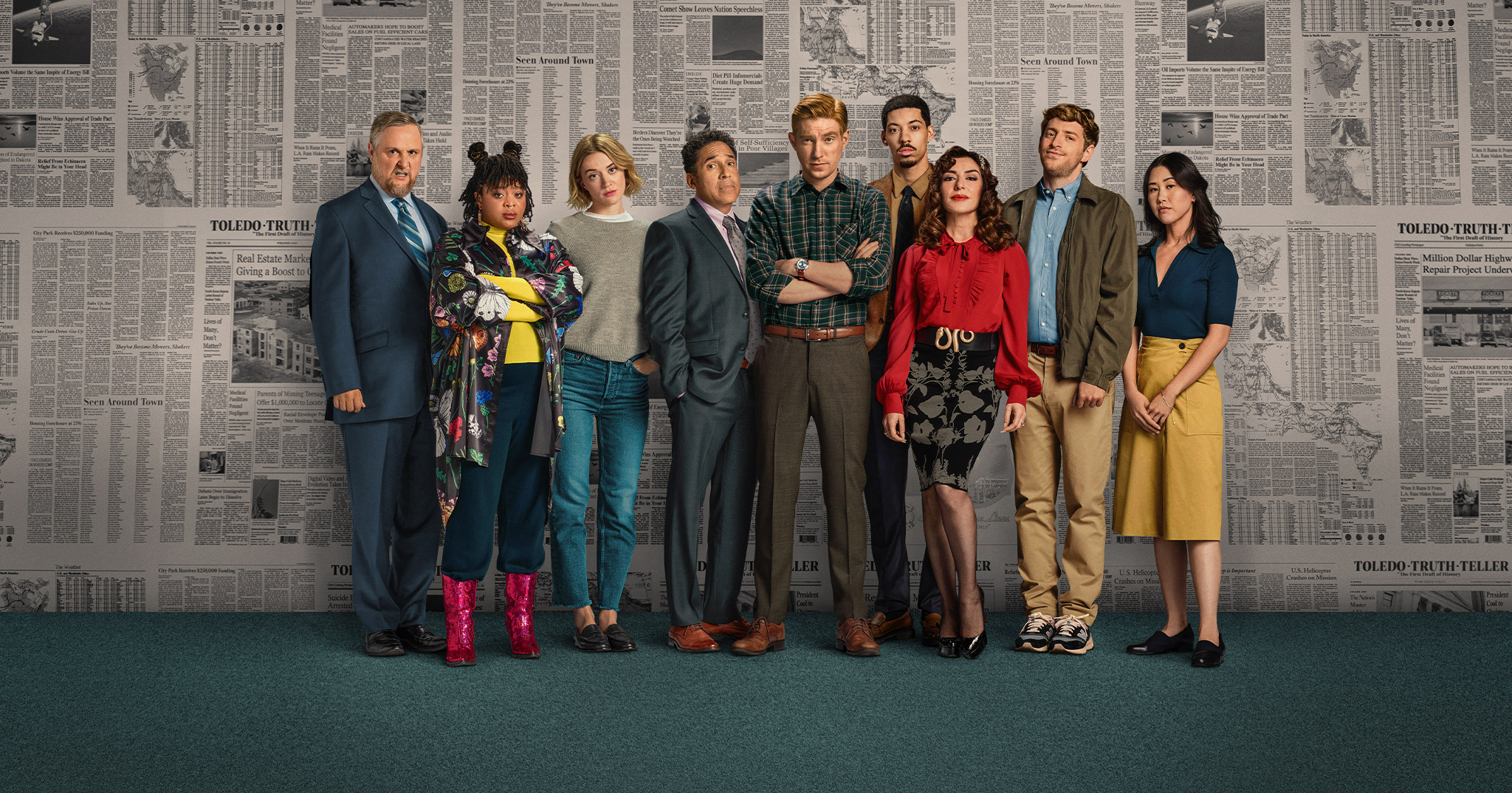
Casting plays a pivotal role in this balancing act. While the original series relied on a tight ensemble that became instantly iconic, The Paper introduces a new group of characters led by an energetic editor determined to invigorate the newspaper. Alongside these fresh faces stands one familiar presence from The Office: Oscar Martinez. This character’s inclusion serves as both a nod to the past and a bridge to the present, grounding the spin-off while allowing space for new dynamics to flourish.
The involvement of The Office’s original creators deepens the sense of continuity. The creative team behind The Paper includes the same minds that shaped the original series’ voice and visual style. This helps preserve the mockumentary feel and signature humor while introducing updates that reflect modern storytelling sensibilities.
Behind the camera, the decision to place the same documentary crew from The Office into a newsroom context is more than a logistical choice — it’s a thematic statement. The original show was essentially a documentary about ordinary work life; the spin-off takes that same observational gaze and applies it to a setting where truth, deadlines, and community narratives define success or failure. As observers, viewers are reminded that comedy often emerges from the clash between lofty ideals and mundane realities.
 Another interesting aspect of The Paper’s production is its release strategy. Initially, the series followed a weekly schedule, allowing viewers to digest episodes gradually. However, enthusiastic viewership and positive feedback led to an adjustment, with all episodes made available simultaneously in places, encouraging binge-watching — a shift that aligns with modern streaming trends. This adaptability highlights both confidence in the narrative and recognition of audience preferences.
Creative discussions around The Paper were not without skepticism from audiences. Fans frequently questioned whether a successor to The Office could truly capture its magic. Yet, many commentators note that by intentionally diverging from direct parody or replication, the series positions itself to explore its own comedic identity. This strategy might not endear it to those craving nostalgia alone, but it offers depth and novelty for viewers seeking something fresh.
In short, The Paper stands as a thoughtful continuation of The Office universe — one that respects the legacy while forging a distinct path. Through carefully chosen characters, thematic resonance, and creative integrity, the series opens new avenues for both humor and reflection, proving that beloved stories can evolve in meaningful ways.