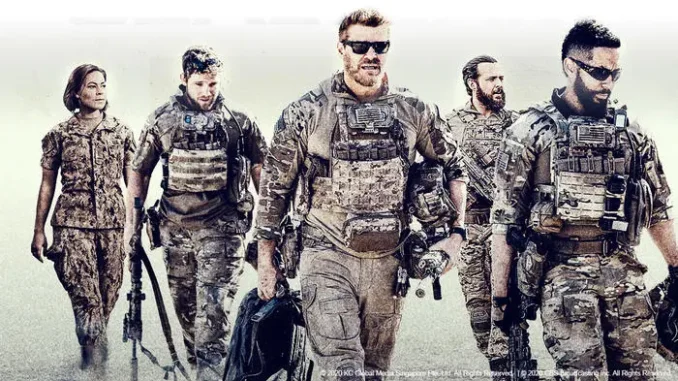
Beyond the battlefield heroics of Bravo Team, SEAL Team owes much of its emotional depth and narrative strength to its supporting characters—those who operate behind the scenes, guide the mission, hold the home front together, and remind viewers that war is never fought alone. These characters play pivotal roles throughout the series and continue to influence the emotional landscape of the final season, offering perspective, grounding, and humanity in a world dominated by danger and sacrifice.
One of the most significant figures is Mandy Ellis, the former CIA intelligence officer whose unwavering dedication to national security often puts her at odds with her own humanity. Mandy’s journey is marked by deep personal sacrifices, moral dilemmas, and moments where she must weigh the cost of intelligence against the cost of a human life. Her bond with Jason Hayes remains one of the show’s most nuanced relationships—rooted in shared trauma, mutual respect, and an unspoken understanding of the burdens they carry. Even as her role shifts throughout the series, Mandy’s influence on Bravo’s missions continues to echo in the final season.
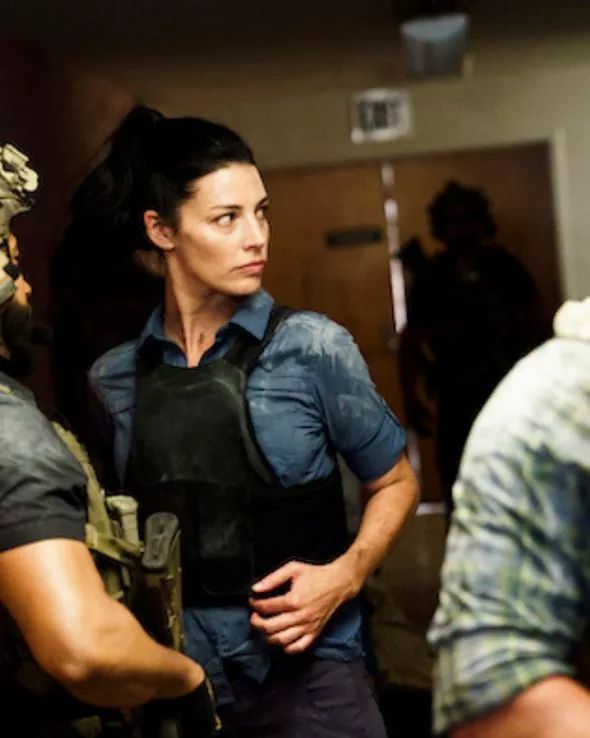
Lisa Davis, once the team’s Logistics Specialist and later a commissioned Officer, represents the resilience and determination required to rise within a demanding military structure. Davis is the brains and backbone behind many of Bravo’s operations, managing resources, strategies, and the operational pressure few could withstand. Her complicated relationship with Sonny Quinn adds layers of vulnerability to her otherwise disciplined persona. As Season 7 approaches the team’s last missions, Davis becomes a vital bridge between tactical necessity and moral responsibility, highlighting the emotional toll of leadership behind the scenes.
On the domestic side, Naima Perry and Stella Baxter stand as powerful representations of military families—the silent pillars who endure the fear and uncertainty of having loved ones on the front lines. Naima, Ray Perry’s wife, brings strength, compassion, and clear-eyed support that often guides Ray through his darkest moments. Her work with veterans and her commitment to healing the psychological wounds of war serve as constant reminders of the battles that continue long after soldiers return home. Stella Baxter, Clay Spenser’s widow, represents the heart-wrenching cost of loss. Her journey after Clay’s death underscores the reality of sacrifice, resilience, and the struggle to rebuild a life shattered by tragedy. Stella’s story remains one of the most emotional and humanizing arcs in the series.
Equally important is Blackburn, the dedicated Commanding Officer who leads with a combination of authority, calm, and genuine concern for the operators under his command. Blackburn is the strategic brain behind Bravo’s missions, often balancing political pressure, tactical necessity, and the safety of the team. His ability to trust Bravo while also challenging their decisions adds tension—and authenticity—to the show’s military realism. Alongside him, figures like Eric Blackburn, Dr. Natalie Pierce, and other mission control and medical personnel further deepen the series, reminding viewers that every operation is supported by countless unseen individuals.
Together, these supporting characters enrich SEAL Team with emotional nuance and realism. They reflect the far-reaching impact of war beyond the battlefield, showing the sacrifices made not only by those who fight but also by those who wait, support, and guide from the shadows. As Season 7 draws the curtain on Bravo’s final chapter, these unsung warriors remain just as vital—serving as the emotional anchors that make SEAL Team more than a series about combat, but a story about humanity in the face of relentless adversity.