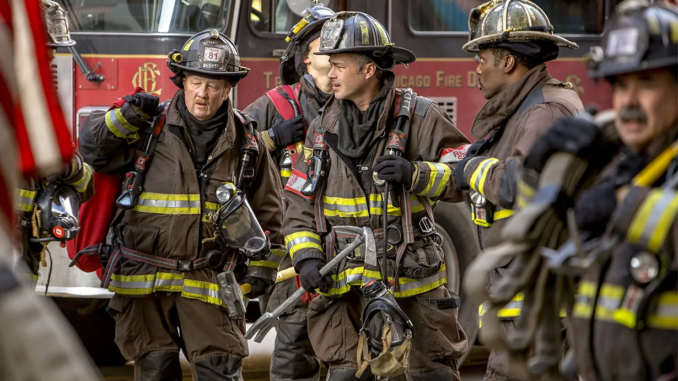
The television landscape has been eagerly awaiting the return of Firehouse 51, and the latest season of Chicago Fire has officially arrived back with a bang, delivering the exact blend of heart-pounding action and emotional depth that has made it a cornerstone of NBC’s lineup. For years, this procedural drama has set the gold standard for portraying the lives of first responders, and the premiere episodes of the new cycle prove that the series has lost none of its intensity. With explosive drama and high-stakes rescues right out of the gate, the show reinforces why it remains a dominant force in the One Chicago universe, capturing the frantic energy of the Windy City’s bravest while navigating the complex personal lives that keep fans coming back week after week.
From the opening minutes of the return, it is clear that the writers intended to raise the stakes higher than ever before. The premiere kicks off with a massive multi-vehicle accident that pushes Truck 81, Squad 3, and Ambulance 61 to their absolute limits. These sequences are filmed with a cinematic flair that brings the heat and the danger right into the living rooms of the audience. The technical precision required for these rescues is a testament to the show’s commitment to realism, often consulting with actual firefighters to ensure that the tools, the terminology, and the tactical decisions feel authentic. This grounded approach allows the more explosive moments to feel earned rather than sensationalized, creating a sense of genuine peril for characters who have become like family to the viewers.
Central to this season’s return is the shifting dynamic within the firehouse walls. Leadership transitions and the introduction of new personnel have historically been a source of tension in the series, and this year is no exception. The departure of veteran figures has left a vacuum that younger firefighters are eager to fill, but the weight of responsibility is heavy. Watching characters like Stella Kidd and Kelly Severide navigate these professional hurdles adds a layer of sophistication to the narrative. They are no longer just the young hotshots; they are the mentors and the decision-makers who must keep their team safe while under intense scrutiny from the higher-ups at the CFD. The friction between old-school methods and new-era expectations provides a rich ground for drama that goes far beyond the physical dangers of the job.
The emotional core of Chicago Fire has always been its “found family” dynamic, and the new episodes double down on this theme. After a hiatus filled with speculation about cast changes and character fates, seeing the team gather around the common room table provides a sense of much-needed comfort. However, the show doesn’t shy away from the trauma that comes with the uniform. The psychological toll of high-stakes rescues is addressed with sensitivity, showing how a single bad call can ripple through the entire station. This focus on mental health and the internal struggles of first responders adds a necessary dimension to the show, reminding us that the people underneath the heavy turnout gear are human and vulnerable.
On the romantic front, the series continues to weave intricate threads that keep the audience engaged on social media. Relationships are tested by the high-pressure environment of the job, and the return features several pivotal moments for the show’s most popular couples. Whether it is navigating long-distance challenges or the daily stress of working in the same dangerous environment, the chemistry between the leads remains a primary draw. The writers have mastered the art of the slow burn, ensuring that every glance and every shared moment carries weight, leading to payoffs that feel satisfying for long-term followers of the franchise.
The production quality of the new season also deserves significant praise. The use of practical effects during fire sequences remains one of the show’s greatest strengths, providing a visceral experience that CGI often fails to replicate. The soot-covered faces, the orange glow of the embers, and the deafening roar of the flames create an immersive atmosphere that makes the rescue scenes feel breathless. When a floor gives way or an oxygen tank explodes, the audience feels the impact alongside the characters. This commitment to high-quality production ensures that Chicago Fire stands out in a crowded field of television procedurals, maintaining a level of excellence that justifies its long-running success.
As the season progresses, the promise of more crossover events within the One Chicago world looms large. The interconnected nature of the fire department, the police department, and the medical staff at Gaffney Chicago Med creates a sprawling, lived-in world that feels larger than any single series. The “back with a bang” energy of the premiere suggests that these upcoming collaborations will be more integrated than ever, providing a unified viewing experience for fans of the entire franchise. With a perfect balance of adrenaline-fueled action and character-driven storytelling, Chicago Fire has reclaimed its throne. The bells are ringing at Firehouse 51 once again, and if the early episodes are any indication, viewers are in for one of the most thrilling and emotional rides in the history of the show.