The television landscape of 2026 is undergoing a seismic shift as networks grapple with the dual pressures of streaming integration and a demand for more serialized, high-stakes storytelling. At the heart of this transformation is the CBS FBI franchise. Long considered a reliable bastion of the “case-of-the-week” format, the flagship series concluded its most recent cycle with a finale so destructive and emotionally jarring that it has left fans and industry analysts asking the same question: Is this the end of the procedural as we know it? The explosive ending of the 2025–2026 season—which saw the literal destruction of the New York Joint Operations Center (JOC) and the critical injury of Jubal Valentine—was not merely a cliffhanger; it was a calculated opening salvo in CBS’s broader “2026 Reset,” a strategic move to evolve the Dick Wolf universe into a grittier, more consequential era of prestige-procedural television.
The Shattering of the Sanctuary
For nearly a decade, the JOC served as the high-tech sanctuary of the FBI universe. It was the place where logic triumphed over chaos and where data always led to the arrest of the “bad guy” within forty-four minutes. By choosing to blow up this central hub in the Season 8 finale, showrunner Rick Eid sent a clear message: the sanctuary is gone. This fits perfectly into the “CBS 2026 Reset,” which aims to strip away the invincibility of its heroes. In the new landscape, the Bureau is no longer an untouchable fortress; it is a vulnerable target.
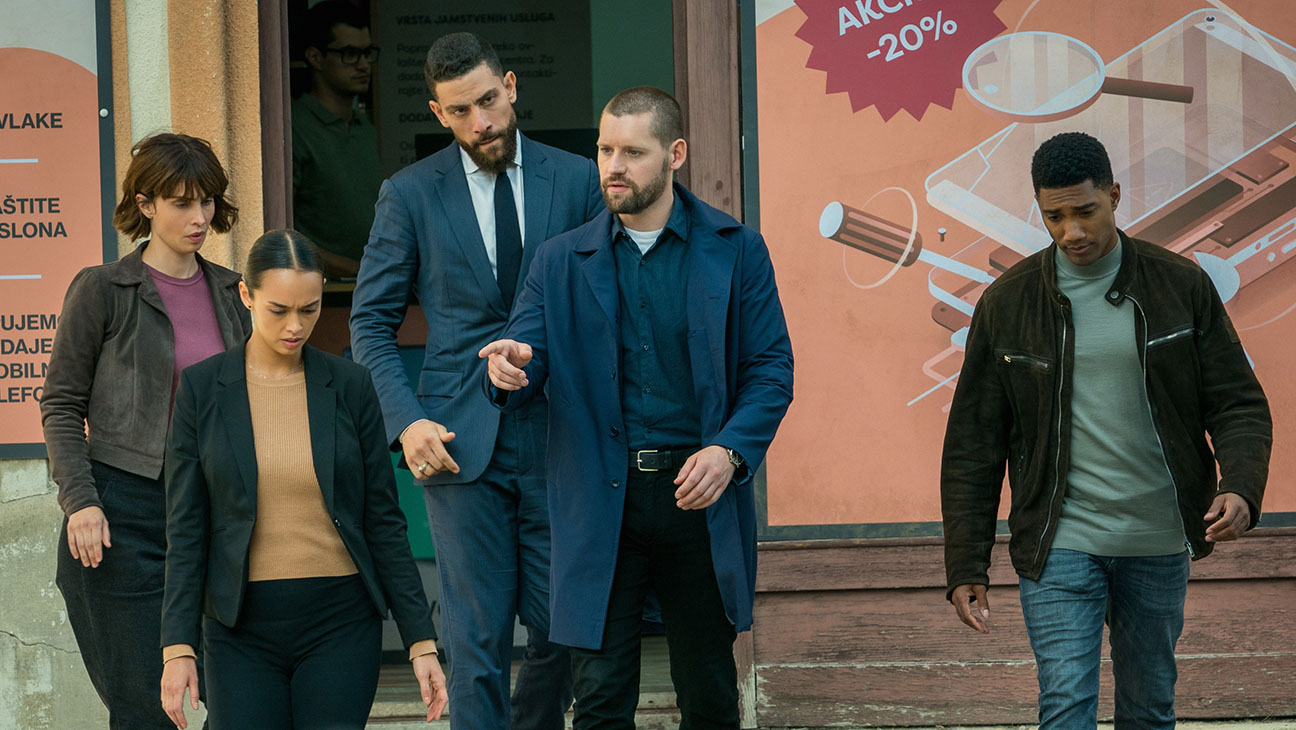
This narrative choice forces the team—Maggie Bell, OA Zidan, Tiffany Wallace, and Stuart Scola—into a decentralized, “guerrilla” style of investigation for the upcoming 2026–2027 season. By removing the wall of monitors and the safety of the 26 Fed building, the show is breaking the “formula” that has defined the Dick Wolf brand for decades. The reset demands that the characters operate in the “Gray Zone,” relying on instinct over algorithms, a shift that brings the show closer to the visceral energy of a high-stakes thriller than a standard police procedural.
The Human Cost of the Reset
Central to the 2026 reset is a move away from the “static hero.” Traditionally, procedural characters reset at the end of every episode, their traumas neatly packed away for the next case. The “explosive ending” of Season 8 has made that impossible. The decision to place Jubal Valentine (Jeremy Sisto) in a life-threatening coma serves as the ultimate catalyst for character growth. Jubal has been the steady hand in the storm, and his absence creates a vacuum that forces Isobel Castille to confront her own leadership failures.
Furthermore, the trauma of the JOC attack is being written as a permanent scar rather than a temporary plot point. CBS has hinted that the 2026–2027 season will focus heavily on the psychological fallout of the explosion. Maggie Bell’s struggle with PTSD and OA’s burgeoning cynicism regarding the Bureau’s ability to protect its own are no longer subplots; they are the primary drivers of the story. This “Crossroads” for the franchise is about proving that these characters are human, flawed, and deeply affected by the violence they witness. By raising the stakes to a personal level, CBS is betting that audiences are ready for a version of FBI that is as much a character study as it is a crime drama.
Integrating the “One Edgewater” and “FBI” Universes
The 2026 Reset also involves a more aggressive “Interconnected Universe” strategy. The attack on the JOC in New York was hinted at during crossover events with FBI: International and FBI: Most Wanted, suggesting a global conspiracy that cannot be solved by one team alone. This “macro-storytelling” is a hallmark of the new CBS strategy, mirroring the success of the Marvel Cinematic Universe by making every episode of every series feel like a crucial piece of a larger puzzle.
By the time the fall 2026 season premieres, the FBI franchise will be at the forefront of a “shared crisis” narrative. The fallout from the New York explosion will dictate the tactical shifts in Budapest and the manhunts led by Remy Scott’s team. This creates a “must-watch” environment for the network, as skipping an episode of one show might mean missing a vital clue for another. It is a bold move to combat the “viewer fatigue” that often plagues long-running franchises, ensuring that the FBI name remains synonymous with high-stakes, essential television.
A New Standard for the Procedural
Ultimately, the “Explosive Ending” of the 2026 season was a necessary destruction. To build a more modern, relevant version of the FBI franchise, CBS had to burn down the old one. The reset is about more than just new sets or higher budgets; it is about a fundamental change in tone. The show is moving into an era of “Consequence TV,” where every arrest has a cost and every victory is tempered by a loss.
As the franchise stands at this crossroads, the path forward is clear: more serialization, deeper character exploration, and a willingness to embrace the chaos of the modern world. The 2026–2027 season will be the ultimate test of this new philosophy. If the flagship series can thrive in the ruins of the JOC, it will prove that the Dick Wolf formula isn’t just a relic of the past—it is a foundation for the future. The fire has been lit, the sanctuary has fallen, and a new, more dangerous era of FBI is about to begin.