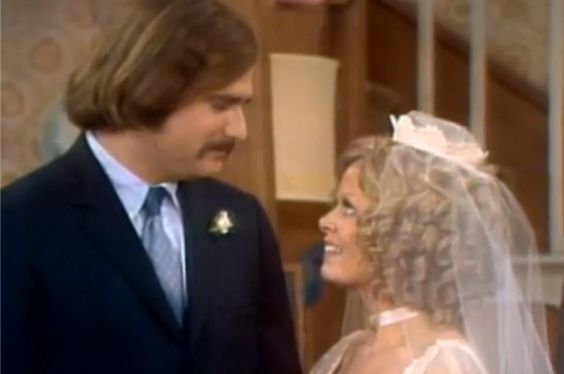
For many viewers of All in the Family, Gloria and Mike Stivic represented something television rarely showed in the early 1970s: a young couple that actually felt real.
They laughed together, argued constantly, struggled financially, and clashed over family expectations. Unlike the polished sitcom marriages audiences were used to seeing at the time, Mike and Gloria often felt messy, emotional, and painfully authentic. That realism became one of the reasons fans connected so deeply with them — which is exactly why viewers were so shocked when their marriage slowly began to crack.
At first, Gloria and Mike seemed like the perfect contrast to Archie and Edith Bunker. Gloria, played by Sally Struthers, was warm-hearted but increasingly independent, while Mike, portrayed by Rob Reiner, was outspoken, passionate, and determined to challenge traditional ideas. Their chemistry brought youthful energy into the Bunker household and helped fuel some of the most iconic arguments in television history.
But beneath the comedy, the show quietly planted signs that their relationship was far from perfect.
Mike’s stubborn personality often created tension inside the marriage. While he criticized Archie for being controlling and old-fashioned, Mike himself could sometimes be dismissive toward Gloria’s feelings and ambitions. Gloria, meanwhile, slowly began evolving beyond the role of Archie Bunker’s little girl. As television audiences changed during the 1970s, her character started reflecting a generation of women seeking more independence, confidence, and identity outside the home.
That shift created some of the most emotionally layered moments in the series.
What made the storyline groundbreaking was how honest it felt. Sitcoms before All in the Family typically avoided serious marital struggles. Couples might have minor misunderstandings that were solved within twenty minutes, but Gloria and Mike’s problems felt ongoing and real. Financial stress, emotional distance, conflicting goals, and personal frustration became recurring themes in their relationship.
For many fans, this was the first time a comedy series portrayed marriage as something complicated rather than idealized.
The tension became even more noticeable in later appearances and spin-off storylines connected to the Bunker family universe. As Mike and Gloria drifted apart, viewers who had spent years watching them grow together felt genuinely heartbroken. The couple represented youth, hope, and change during the show’s early years, so seeing that relationship struggle felt surprisingly personal to audiences.
Part of what made the storyline so powerful was the performances themselves. Sally Struthers brought emotional vulnerability to Gloria, allowing viewers to see her transformation from a naïve young woman into someone emotionally exhausted by constant conflict. Rob Reiner gave Mike both charm and frustration, making the character sympathetic even during difficult moments.
Together, they created arguments that no longer felt like sitcom comedy routines. Instead, they resembled real conversations happening in American households at the time.
The writers of All in the Family also understood something many television shows still struggle with today: love does not magically solve every problem. Gloria and Mike clearly cared about one another, but the series dared to explore the uncomfortable reality that relationships can weaken over time even when feelings still exist.
That honesty was revolutionary for network television.
Looking back now, many critics and fans believe the storyline was years ahead of its time. Modern audiences are used to complex television relationships in dramas and streaming series, but All in the Family was exploring emotional realism decades earlier. The show challenged the idea that sitcom couples always needed a perfect ending.
In many ways, Gloria and Mike’s relationship reflected the changing American family during the 1970s. Gender roles were evolving, generational divisions were intensifying, and traditional expectations around marriage were beginning to shift. Their struggles symbolized much more than just one fictional couple having problems — they represented an entire society learning how difficult change could be.
Today, Gloria and Mike remain one of television’s most fascinating sitcom couples precisely because they were imperfect. Fans still revisit their scenes because the emotions feel genuine even decades later. Their arguments were frustrating, funny, heartbreaking, and sometimes painfully relatable.
And perhaps that is why audiences were so affected when their marriage started falling apart.
For viewers who had watched them grow up together inside the Bunker household, it felt less like a television plot twist and more like watching real people slowly lose the life they once imagined together.