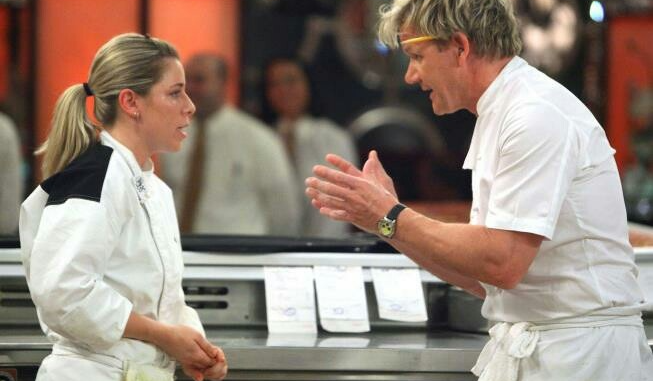
For over a decade, Hell’s Kitchen has stood as one of the most iconic and enduring cooking competitions on television. At the center of it all is Gordon Ramsay, whose fiery personality and relentless standards turned the show into a global phenomenon. But now, new comments attributed to Ramsay have sparked a wave of speculation that has left fans questioning the future of the series.
The conversation began when discussions online suggested that Ramsay may not be planning additional seasons of Hell’s Kitchen beyond its current trajectory. While there has been no formal cancellation announcement from networks or producers, even the suggestion of such a possibility has been enough to ignite widespread concern.
For many viewers, Hell’s Kitchen is more than just a cooking show—it’s a defining part of Ramsay’s identity. The format, built around intense kitchen service, high-pressure eliminations, and Ramsay’s signature outbursts, helped shape modern food television. Over time, it became synonymous with his brand, delivering some of the most memorable moments in reality TV history.
So why would the show even be in question?

One explanation lies in longevity. Shows that run for many seasons often reach a natural crossroads where creative direction, audience demand, and production logistics must be reevaluated. Hell’s Kitchen has already achieved what few reality series manage: sustained relevance across multiple generations of viewers. For some industry observers, stepping back at the right moment can preserve a show’s legacy rather than risk creative fatigue.
Another factor is Ramsay’s expanding portfolio. Beyond Hell’s Kitchen, he remains deeply involved in projects like MasterChef and Next Level Chef, each requiring significant time and creative energy. Balancing multiple large-scale productions while maintaining his global restaurant empire is no small task, even for someone known for his relentless work ethic.
There is also the evolving nature of audience expectations. Modern viewers are constantly seeking new formats, fresh storytelling, and different types of competition. While Hell’s Kitchen remains popular, the television landscape around it has changed dramatically since its debut. New shows experiment with structure, tone, and presentation in ways that challenge even the most established franchises to adapt.
Still, it’s important to emphasize that speculation does not equal confirmation. Ramsay has, in the past, made comments about the demands of production and the need to evolve creatively, but these statements do not necessarily indicate a definitive end. In fact, long-running shows often go through periods of uncertainty before returning in new forms or formats.
Fan reaction to the current rumors has been swift and emotional. Social media has been flooded with posts from viewers expressing disbelief at the idea of Hell’s Kitchen ending. For many, the show represents not just entertainment, but a nostalgic connection to years of iconic television moments.
Others, however, see potential change as an opportunity. Some argue that if Hell’s Kitchen were to pause or conclude, it could open the door for reinvention—whether through spin-offs, special editions, or entirely new concepts led by Ramsay. In the world of television, endings are often less final than they appear.
From a broader perspective, the discussion highlights Ramsay’s unique position in the industry. Few personalities have managed to dominate both the culinary world and mainstream entertainment in the way he has. Any shift in his projects naturally carries significant weight, influencing not just fans but the direction of food television as a whole.
As of now, there is no official confirmation that Hell’s Kitchen will end or that no further seasons are planned. What exists instead is a mix of interpretation, speculation, and anticipation—fueled by Ramsay’s own evolving career and the ever-changing media landscape.
Whether Hell’s Kitchen continues, transforms, or eventually concludes, one thing is certain: its impact is already firmly cemented. And if there is one lesson from Gordon Ramsay’s career, it’s that change rarely signals an ending—it often marks the beginning of something new.