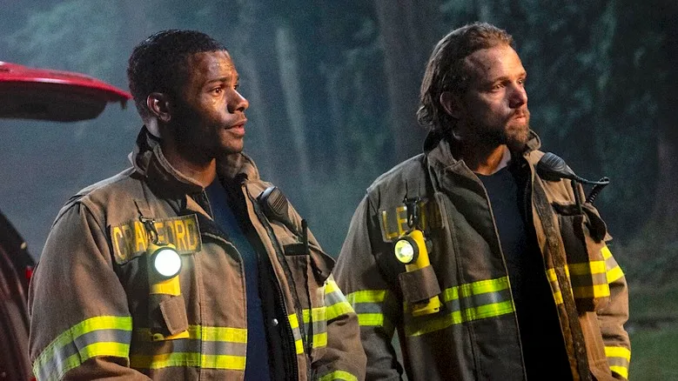
The landscape of network television is often a battlefield of ratings and strategic scheduling, but for CBS, Friday nights have become a fortified stronghold. For several seasons, the network has dominated the end of the work week with a powerhouse lineup that blends veteran procedurals with high-octane newcomers. However, even within a winning formula, adjustments are inevitable. The recent announcement that CBS will maintain its Friday night dominance while simultaneously trimming the episode count for its breakout hit Fire Country has sent ripples through the fan base. This move highlights a broader trend in the industry where quality and narrative momentum are beginning to take precedence over the traditional twenty-two-episode marathon.
The Friday Night Fortress
CBS has cultivated a unique relationship with Friday night viewers, a demographic often dismissed by other networks. By pairing the long-running legacy of Blue Bloods with the gritty, visceral energy of Fire Country, the network has created a seamless transition from police procedural to firefighting drama. This block of programming has consistently delivered high ratings, proving that there is still a massive appetite for linear television when the stories resonate with a sense of community and heroism. The decision to stick with this winning Friday strategy is a testament to the show’s ability to anchor a night, drawing in millions of viewers who have grown invested in the redemption arc of Bode Leone and the rugged beauty of Edgewater.
Why Fire Country is Exiting Early
The news that Fire Country will exit the current season earlier than expected, with a reduced episode order, might feel like a blow to those used to the standard broadcast cycle. Yet, looking at the modern production landscape, this “exit early” strategy is a calculated move designed to preserve the show’s intensity. Fire Country is not a typical office-based drama; it is an ambitious production featuring massive pyrotechnics, outdoor location shooting, and physically demanding stunts. By reducing the episode count, the production team can ensure that every hour of television maintains a cinematic quality. It prevents the mid-season slump that often plagues broadcast shows, where “filler” episodes are used to stretch the calendar. Instead, every episode in a shorter season can feel like a season finale, driving the plot forward with relentless pace.
The Impact on Narrative Tension
From a storytelling perspective, a shorter season for Fire Country actually works in its favor. The show thrives on high stakes—both in the literal fires the crew fights and the emotional infernos within the Leone family. When a season is compressed, the writers are forced to be more economical with their subplots. The tension surrounding Bode’s legal status, the shifting alliances at Station 42, and the evolving dynamics of Three Rock can be explored with more focus. Viewers are less likely to lose interest when the narrative moves at a breakneck speed, leading to a more satisfying and cohesive viewing experience. This “leaner and meaner” approach ensures that the show remains a conversation starter, keeping the audience engaged on social media and driving the “must-see” factor that keeps ratings high.
Strategic Scheduling and the Streaming Factor
There is also a significant digital strategy behind CBS’s decision. In the era of Paramount+, the afterlife of a show is just as important as its initial broadcast. Shorter, tighter seasons are much more “bingeable” for streaming audiences. A viewer discovering Fire Country on a streaming platform is more likely to commit to a thirteen or fifteen-episode journey than one that spans nearly half a year. By exiting the broadcast schedule early, CBS also clears the way for special event programming or the launch of new series, keeping the network’s overall content offerings fresh and dynamic. It allows Fire Country to leave the stage while the audience is still cheering for an encore, a classic entertainment tactic that maintains long-term brand health.
Looking Ahead to the Future of Edgewater
While fans may be disappointed to have a few weeks less of Bode and the crew this year, the long-term outlook for Fire Country remains incredibly bright. The show has successfully carved out a niche as a modern American epic, blending the tradition of the working-class hero with the complexities of the justice system. CBS’s commitment to the Friday night block, even with a truncated season for its star performer, shows a network that is willing to adapt to the changing habits of its audience. As we look toward the finale, the shorter runway ensures that the landing will be nothing short of explosive. The fires in Edgewater might be burning for a shorter time this season, but there is no doubt they will be burning hotter than ever.