
The Big Shift at CBS—What’s Really Going On?
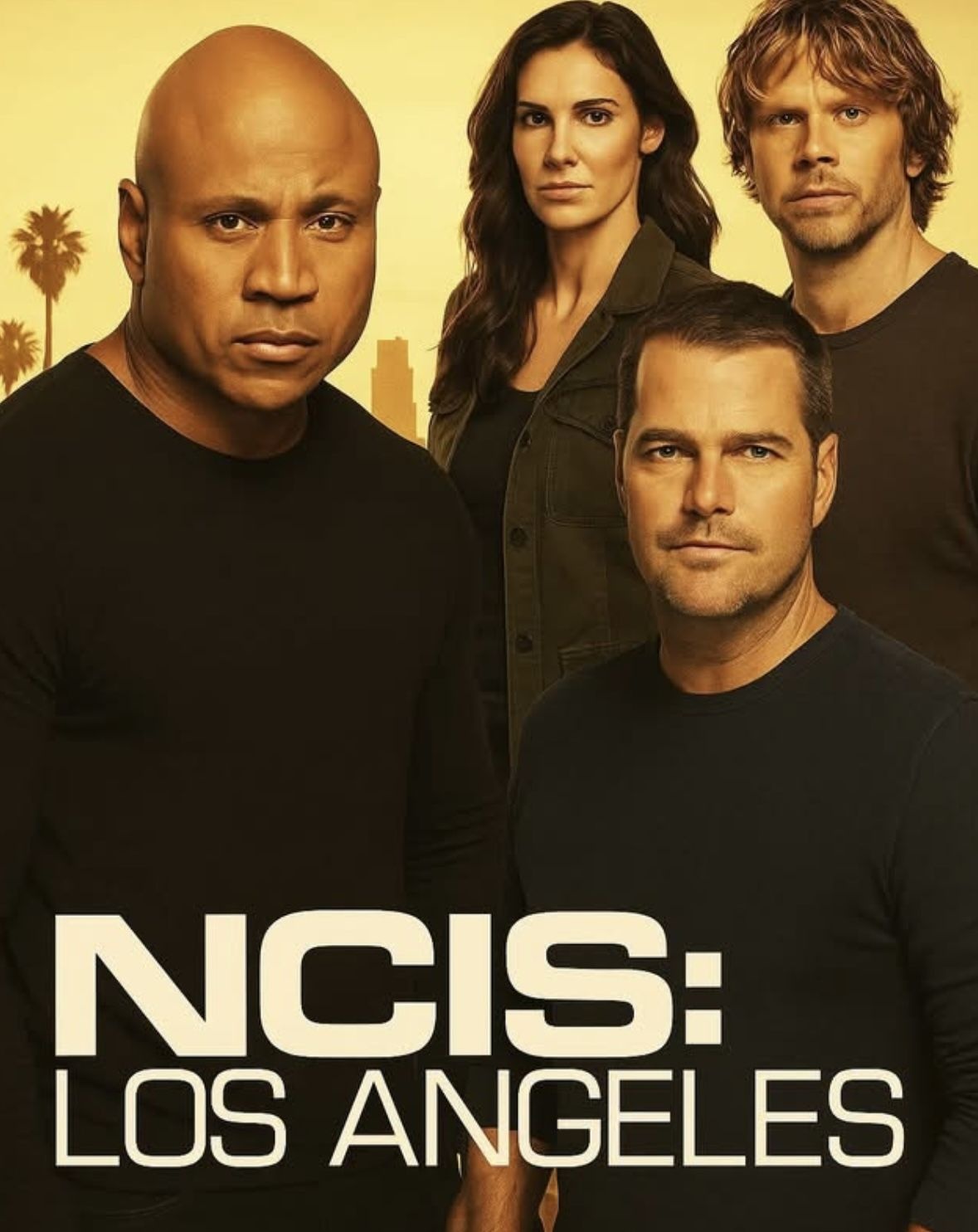
If you’ve noticed your favorite shows feeling shorter lately, you’re not imagining things. CBS is making a strategic move—cutting episode counts for hit series like Fire Country and NCIS.
But why now? And what does it mean for fans like you?
Let’s unpack the real reasons behind this shift—and trust me, it’s not just about storytelling.
The Traditional TV Model Is Cracking
For decades, network television followed a simple formula:
👉 20–24 episodes per season
👉 Weekly releases
👉 Long production cycles
That model worked beautifully… until it didn’t.
The Streaming Effect
Streaming platforms changed everything. Think about it—would you rather watch 24 loosely connected episodes or 10 tightly written, high-impact ones?
That’s the question networks are now forced to answer.
Shorter seasons are no longer a downgrade—they’re becoming the new gold standard.
Rising Production Costs Are Impossible to Ignore
Let’s talk money—because that’s a huge part of the story.
Bigger Budgets Per Episode
Shows like Fire Country aren’t cheap to produce. Between location शूटs, special effects, and large ensemble casts, costs add up fast.
Now multiply that by 22 episodes.
It’s not sustainable.
The Quality vs. Quantity Trade-Off
Would you rather have:
- 22 average episodes
or - 12 high-quality, cinematic ones?
CBS is betting that audiences will choose quality every time.
Actor Contracts and Scheduling Conflicts
Here’s something most viewers don’t think about—actors.
Talent Is in High Demand
Top actors are no longer tied exclusively to one show. They want flexibility:
- Film roles
- Streaming projects
- Personal ventures
Shorter seasons make that possible.
Avoiding Burnout
Let’s be real—shooting 22 episodes a year is exhausting. Shorter seasons help keep casts energized and performances sharp.
Advertising Revenue Is Changing
Traditional TV relied heavily on ad revenue. But that system is evolving.
Fewer Episodes, Higher Value
Instead of spreading ads across many episodes, networks are focusing on:
- Event-style television
- Higher engagement per episode
Think of it like fewer but bigger fireworks.
Audience Behavior Has Shifted Dramatically
You don’t watch TV the same way people did 10 years ago.
Binge Culture Rules
Even on network TV, viewers expect:
- Faster pacing
- Tighter storytelling
- Less filler
And honestly—who has time for filler anymore?
Attention Spans Are Shorter
With endless content available, every episode has to earn your attention. No exceptions.
Creative Freedom Improves With Fewer Episodes
Here’s the upside most fans overlook.
Better Storytelling
Writers can:
- Cut unnecessary subplots
- Focus on core characters
- Deliver stronger arcs
More Impactful Episodes
Every episode matters. No more “skip this one” moments.
The Influence of Industry Strikes
Recent industry disruptions have played a role too.
Production Delays
Strikes slowed down filming schedules, forcing networks to rethink:
- Episode counts
- Release timelines
Long-Term Structural Changes
Even after things normalize, the shorter-season model is likely here to stay.
CBS Is Playing the Long Game
This isn’t a temporary adjustment—it’s strategy.
Competing With Streaming Giants
CBS isn’t just competing with other networks anymore. It’s up against:
- Netflix
- Disney+
- Amazon Prime Video
Shorter seasons help level the playing field.
What This Means for Fire Country
A More Focused Narrative
With fewer episodes, Fire Country can:
- Tighten its storytelling
- Increase emotional stakes
Higher Production Quality
Expect:
- Better visuals
- More intense action scenes
- Stronger character development
What This Means for NCIS
Reinventing a Legacy Show
NCIS has been around for years. Shorter seasons give it a chance to evolve.
Keeping the Franchise Fresh
Instead of stretching stories thin, the show can:
- Deliver sharper cases
- Explore deeper character arcs
Fans Are Divided—And That’s Understandable
Not everyone is thrilled.
The Nostalgia Factor
Some viewers miss:
- Longer seasons
- Slower storytelling
- Familiar weekly routines
The New Reality
But others appreciate:
- Faster pacing
- Higher quality
- Less filler
It’s a classic case of old vs. new.
Is This the Future of Network TV?
Short answer? Yes.
Industry-Wide Trend
CBS isn’t alone. Other networks are following suit.
A Hybrid Model Emerges
We’re seeing a blend of:
- Traditional TV
- Streaming-style storytelling
And honestly—it’s kind of exciting.
The Psychological Impact on Viewers
Let’s get a bit deeper for a second.
Anticipation Increases
When episodes are limited, each one feels more important.
Scarcity Creates Value
It’s like your favorite dessert—you enjoy it more when you don’t have it every day.
The Business Side—Profitability Matters
At the end of the day, TV is still a business.
Lower Risk, Higher Return
Fewer episodes mean:
- Lower production costs
- More controlled budgets
Smarter Investments
CBS can invest in:
- New shows
- Bigger projects
- Innovative content
What Should Fans Expect Moving Forward?
Here’s the honest truth:
More Changes Are Coming
This is just the beginning.
Adapt or Fall Behind
Networks that don’t evolve risk becoming irrelevant.
Final Thoughts—Is This a Good Thing or Not?
It depends on how you look at it.
If you love long, slow-burning seasons, this shift might feel like a loss.
But if you prefer:
- High-quality storytelling
- Faster pacing
- More impactful episodes
Then this is a win.
Conclusion
CBS cutting episode counts for Fire Country and NCIS isn’t a random decision—it’s a calculated move shaped by changing viewer habits, rising production costs, and intense competition from streaming platforms. The television landscape is evolving, and networks are adapting to survive.
While it may feel like the end of an era, it could also mark the beginning of something better: smarter, sharper, and more engaging television. And in a world overflowing with content, that might be exactly what we need.