
The Hidden Story Behind NCIS’s Identity Crisis
When you think of NCIS, you probably picture a powerhouse crime drama that stands tall on its own. But here’s the twist—behind its massive success lies a quiet but intense battle over identity.
At the heart of it all? A creative clash between the show’s creator, Donald P. Bellisario, and the network giant CBS.
And the issue wasn’t about scripts, casting, or ratings—it was about branding. Specifically, whether NCIS should be marketed as a spin-off of JAG.
Let’s unpack why that mattered more than you might think.
The Origins of NCIS
From Military Courtrooms to Crime Scenes
NCIS didn’t just appear out of thin air. Its roots trace back to JAG, a legal drama centered on military law. NCIS characters were first introduced in JAG episodes, making it technically a spin-off.
But here’s the thing—Bellisario didn’t want it to feel like one.
A New Direction, A New Tone
While JAG focused on courtroom drama, NCIS leaned into investigative storytelling, blending crime-solving with character-driven humor and emotional depth.
Think of it like switching from a courtroom chess match to a fast-paced detective thriller. Same universe, completely different vibe.
Why Labels Matter in Television
The Power of First Impressions
In TV, branding is everything. The way a show is introduced to audiences shapes expectations—and expectations can make or break a series.
Calling NCIS a “JAG spin-off” might sound harmless, but it came with baggage.
The Risk of Being Boxed In
If viewers assumed NCIS was just “more JAG,” they might skip it entirely—especially if they weren’t fans of legal dramas.
Bellisario understood this risk. He wasn’t just creating another show—he was building a brand.
Donald Bellisario’s Vision
Independence Over Association
Bellisario’s goal was clear: NCIS needed to stand on its own.
He believed the show’s unique tone, pacing, and storytelling deserved a fresh identity—not one tethered to its predecessor.
A Creator’s Instinct
Creators often have a gut feeling about what their work needs. For Bellisario, labeling NCIS as a spin-off felt like putting a ceiling on its potential.
And honestly? He wasn’t wrong.
CBS’s Perspective
Leveraging a Proven Hit
From CBS’s point of view, promoting NCIS as a JAG spin-off made perfect sense. JAG already had an established audience, so why not use that momentum?
It’s like launching a new product under a trusted brand—safe, familiar, and marketable.
The Marketing Strategy Clash
This is where things got interesting. CBS wanted to highlight the connection. Bellisario wanted to downplay it.
Neither side was “wrong”—they just had different priorities.
The Creative vs. Corporate Tug-of-War
Art Meets Business
This wasn’t just a disagreement—it was a classic case of creative vision colliding with corporate strategy.
Bellisario was thinking long-term identity. CBS was thinking short-term traction.
Who Gets the Final Say?
In television, networks usually hold the power. But strong creators can push back—and Bellisario did exactly that.
How the Decision Shaped NCIS
Building a Standalone Brand
By distancing NCIS from JAG, the show carved out its own identity. It became known for its unique mix of humor, drama, and procedural storytelling.
And guess what? It worked.
A Broader Audience Appeal
Without the “legal drama” label, NCIS attracted a wider audience—people who loved crime shows but had never watched JAG.
That’s a big deal.
The Long-Term Impact
From Spin-Off to Franchise Giant
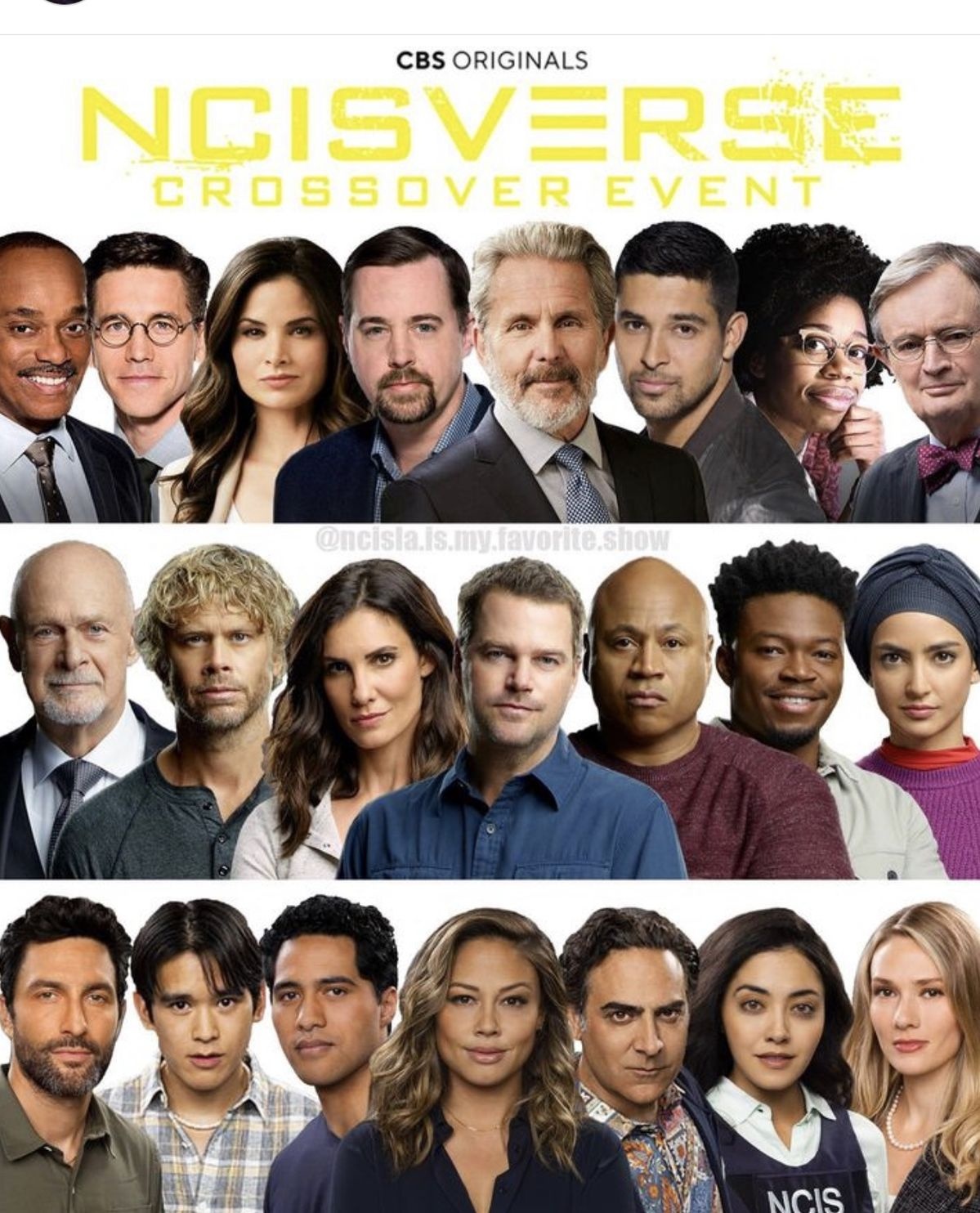
Ironically, NCIS went on to become a franchise powerhouse, spawning multiple spin-offs of its own.
Talk about a full-circle moment.
Rewriting the Narrative
Today, many viewers don’t even realize NCIS originated from JAG. That’s how effectively it established its independence.
Lessons from the NCIS Branding Battle
Identity Is Everything
Whether it’s a TV show, a business, or a personal brand—how you present yourself matters.
Don’t Let Labels Define You
Bellisario’s resistance teaches an important lesson: just because something starts as a spin-off doesn’t mean it has to stay in that shadow.
Why This Story Still Matters Today
A Blueprint for Modern TV
In today’s streaming era, spin-offs and shared universes are everywhere. But the NCIS story reminds us that independence can be more powerful than association.
Creative Courage Pays Off
Standing up to a network isn’t easy. But sometimes, taking that risk is what leads to greatness.
The Emotional Undercurrent
More Than Just Marketing
For Bellisario, this wasn’t just a business decision—it was personal. He wanted his creation to succeed on its own merits.
The Stakes Were High
If NCIS had been boxed in as a JAG spin-off, it might never have reached its full potential.
What If Things Had Gone Differently?
A Different Timeline
Imagine NCIS being heavily marketed as “JAG 2.0.” Would it have attracted the same audience? Probably not.
The Ripple Effect
A weaker launch could have meant no spin-offs, no global success, and no cultural impact.
That’s how crucial this decision was.
The Takeaway for Creators and Marketers
Know Your Product
Bellisario knew exactly what NCIS was—and what it wasn’t.
Fight for Your Vision
Sometimes, you have to push back to protect what makes your work special.
Conclusion: A Quiet Battle That Changed Television
The story of NCIS isn’t just about crime-solving agents—it’s about identity, vision, and the courage to stand firm.
By resisting the spin-off label, Donald Bellisario helped transform NCIS into something far bigger than anyone expected. It didn’t just step out of JAG’s shadow—it built its own empire.
And in doing so, it proved a simple but powerful truth: sometimes, the biggest success comes from refusing to be defined by where you started.