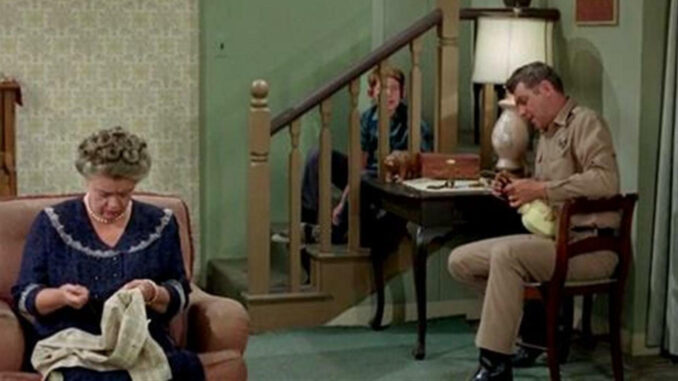
For generations, Mayberry has been remembered as the ultimate symbol of small-town perfection. Quiet streets, friendly neighbors, and a sense of peace that feels almost impossible in today’s world. But what if that perfection isn’t as real as it seems?
The more closely you watch The Andy Griffith Show, the more unusual things begin to stand out. Conflicts rarely escalate beyond control. Problems appear suddenly—then disappear just as quickly. Even the town’s most eccentric characters are somehow always accepted, no matter how strange their behavior might be.
At first, this feels comforting. But then a question starts to form: is Mayberry truly perfect, or is it carefully constructed to appear that way?
Some fans believe the show presents an idealized version of reality—a version that deliberately avoids deeper social tensions. Others argue that this “perfection” is actually the point. Mayberry isn’t meant to be realistic; it’s meant to represent what people wish their communities could be.
But here’s where things get interesting: the show occasionally lets small cracks show. A moment of tension. A subtle disagreement. A character who doesn’t quite fit. These moments are brief—but they’re enough to suggest that something more complex exists beneath the surface.
And once you notice those cracks, it becomes impossible to unsee them.
Suddenly, Mayberry doesn’t just feel like a perfect town—it feels like a carefully maintained illusion. And that realization changes the way you watch the show forever.