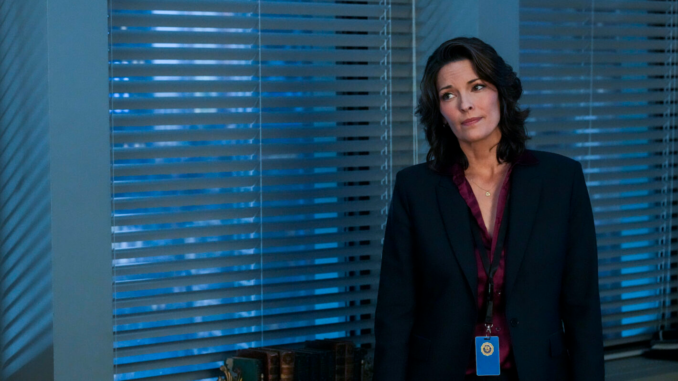
The high-pressure environment of the FBI’s New York Field Office is a place where a single second can determine the difference between a successful operation and a national tragedy. At the center of this storm is Special Agent in Charge Isobel Castille, a leader known for her steely nerves and an unwavering commitment to the mission. However, in the most recent high-stakes episode, Isobel was forced to make a decision so controversial and dangerous that it has left the survival of her elite team hanging in the balance. This risky call has not only ignited a firestorm of debate among fans but has also raised serious questions about the fine line between calculated bravery and reckless leadership.
A Mission on the Edge of Disaster
The episode began with the discovery of a sophisticated sleeper cell planning a coordinated strike on Manhattan’s infrastructure. As the Joint Operations Center scrambled to track the threat, Isobel found herself caught between conflicting orders from Washington and the grim reality on the ground. When a lead led the team to an abandoned industrial complex rigged with motion-sensitive explosives, the standard protocol was to retreat and wait for a specialized bomb disposal unit.
In a moment of pure tactical desperation, Isobel overruled the safety guidelines. Believing that the terrorists were minutes away from remote detonation, she ordered Maggie Bell, OA Zidan, and the tactical unit to breach the perimeter immediately. It was a gamble of the highest order, a move that prioritized stopping the larger threat over the immediate safety of her closest colleagues. The tension in the JOC was palpable as the screens showed the team moving into a literal death trap, knowing that one wrong step could result in a catastrophic loss of life.
The Weight of Authority
Isobel Castille has always been a character who leads with her head, not her heart. This characteristic has often made her a polarizing figure within the bureau. While her superiors appreciate her results, the field agents often feel the weight of her cold, analytical approach. This latest risky call has exposed the deep-seated friction between the command center and the boots on the ground.
For OA and Maggie, the order felt like a betrayal of the trust they had placed in their leader. As they navigated the darkened, explosive-laden corridors, the silence from the comms was a reminder of the isolation that comes with field work. Back at headquarters, Isobel’s stoic expression masked what many believe was a moment of internal crisis. If the team died, the blood would be entirely on her hands. This narrative choice by the writers highlights the impossible burden of leadership: the necessity of treating human lives as variables in a larger equation of public safety.
A Fandom Divided
Social media has been ablaze with reactions to Isobel’s decision. The “Risky Call” has divided the audience into two distinct camps. On one side, some viewers argue that Isobel did exactly what a leader must do in a crisis—take the hard path to save the many, even at the risk of the few. They see her as a hero who was willing to sacrifice her reputation and her team’s safety to prevent a city-wide catastrophe.
On the other side, many fans are heartbroken and angry. They argue that Isobel’s move was an act of hubris, a sign that she has become too detached from the human element of her job. The fear that we might lose a beloved character like OA or Maggie because of a bureaucratic decision has made this one of the most stressful episodes in recent memory. This emotional investment is a testament to the show’s ability to create stakes that feel personal rather than just procedural.
The Aftermath of the Decision
Regardless of the ultimate outcome of the mission, the landscape of the New York Field Office has been permanently altered. The trust that holds the team together has been fractured. In the world of federal law enforcement, trust is as essential as a weapon. If the agents no longer believe that their leader has their back, their effectiveness in the field will inevitably decline.
As the season progresses, the fallout from this decision is expected to be a major storyline. We may see an internal affairs investigation or a mutiny among the ranks. Isobel Castille has always been a survivor, but this time, she may have pushed her luck too far. The “Risky Call That Could Cost Entire Team Their Lives” isn’t just a plot point; it’s a character study in the ethics of power. As we wait for the resolution of this cliffhanger, the silence in the JOC serves as a haunting reminder that in the FBI, the most dangerous enemies aren’t always the ones behind the guns—sometimes, they are the decisions made by the people we trust to keep us safe.