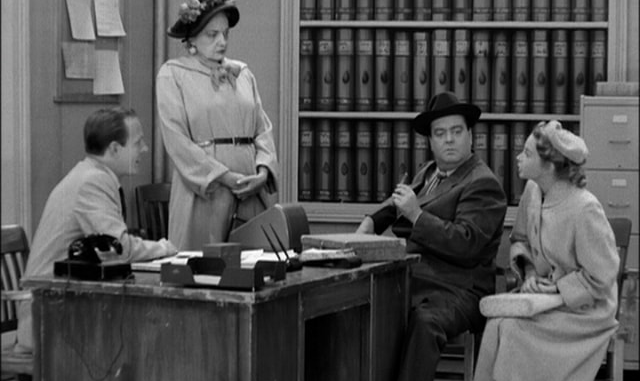
When The Honeymooners first aired, few people predicted it would become one of the most influential sitcoms ever made. In fact, if you look at it objectively, the show had everything that could have made it fail.
It was filmed in a simple set. The production was minimal. The storylines were repetitive. And the characters were not idealized heroes—they were flawed, emotional, and often irrational.
But somehow, that became its greatest strength.
At the center of the show is Ralph Kramden, a man constantly chasing success but repeatedly failing due to his own impulsiveness. Opposite him is Alice, intelligent, grounded, and unafraid to challenge him. Their relationship is not polished—it is real in a way that television rarely allowed at the time.
Audiences didn’t just watch them—they recognized them.
Another major factor behind the show’s success was its writing style. Instead of relying on complex plots, it focused on emotional rhythm: setup, conflict, explosion, and resolution. This simplicity made the humor accessible across generations.
But the most important reason for its unexpected success was authenticity.
There was no attempt to make life look perfect. Instead, it showed financial struggles, ego clashes, and everyday frustrations that felt familiar to working-class audiences. That honesty created trust between the show and its viewers.
Over time, critics and historians began to realize something important: The Honeymooners didn’t succeed despite its simplicity—it succeeded because of it.
It proved that television didn’t need perfection to become timeless.
It only needed truth, timing, and characters who felt human enough to fail.
And that is why decades later, people still return to it—not for nostalgia alone, but for something far more rare:
recognition.