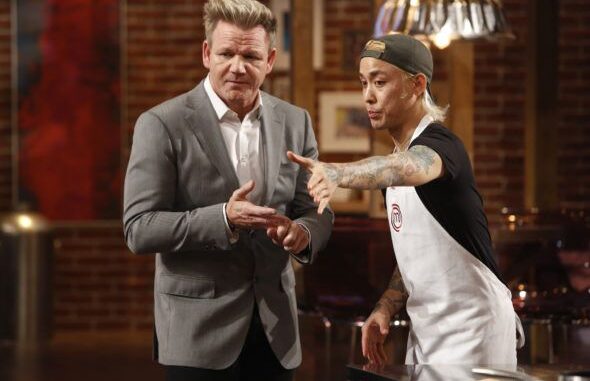
When you build a career as loud, uncompromising, and globally visible as Gordon Ramsay, criticism isn’t just expected — it’s guaranteed. From the early days of his television rise to the explosive popularity of shows like Hell’s Kitchen, Ramsay has attracted just as many critics as fans. But what makes him different isn’t the hate he receives — it’s how he responds to it.
Because unlike many celebrities who choose silence or carefully managed PR statements, Ramsay does something else entirely.
He fires back.
And not politely.
One of the most recognizable aspects of Ramsay’s personality is his refusal to soften his words. That same brutal honesty that made him famous in the kitchen carries over into how he deals with “anti-fans.” Whether it’s criticism about his attitude, his shows, or even his restaurants, Ramsay rarely ignores it. Instead, he often meets it head-on — with sharp wit, sarcasm, and the kind of cutting humor that instantly goes viral.
But here’s the twist: it’s not always just anger.
In fact, some of his most memorable responses to critics come across less like attacks and more like performances. Over the years, Ramsay has turned clapbacks into a form of entertainment, especially on social media. Short, savage replies. Quick insults. Unexpected comebacks. It’s all part of a persona that fans recognize instantly — and secretly enjoy.
To some, it’s too much.
Critics argue that his reactions reinforce the very image they dislike: aggressive, confrontational, and sometimes unnecessarily harsh. In an era where public figures are increasingly expected to show restraint, Ramsay’s approach can feel out of sync with changing expectations.
But to his supporters, that’s exactly the point.
Because what Ramsay represents is consistency. He doesn’t pretend to be something he’s not. The same intensity you see on Hell’s Kitchen is the same energy he brings to real life — and that authenticity, however extreme, is part of his appeal.
There’s also a deeper layer to how he handles criticism.
While the loud responses get the most attention, Ramsay has shown that he knows when to switch tone. In more serious situations — particularly when criticism touches on professionalism or business — he tends to respond with far more control. The insults disappear, replaced by clarity and confidence. It’s a reminder that behind the persona is someone highly aware of his brand and how to protect it.
And that balance is crucial.
Because engaging with haters is a risky game. Respond too aggressively, and you fuel the negativity. Stay silent, and you risk looking disconnected. Ramsay walks a fine line between the two, turning confrontation into content while maintaining control over the narrative.
Social media has only amplified this dynamic.
Platforms like Instagram, TikTok, and X have become arenas where Ramsay’s reactions play out in real time. Fans eagerly wait for his responses, sometimes even provoking him just to see what he’ll say next. It’s no longer just about defending himself — it’s about creating moments that keep people watching.
In a strange way, the haters become part of the show.
But perhaps the most interesting aspect of Ramsay’s approach is this: he doesn’t seem interested in winning everyone over.
He’s not trying to convert critics into fans. He’s not chasing universal approval. Instead, he leans into who he is — loud, direct, and unapologetic — and lets people react however they want.
And that’s a strategy in itself.
Because in today’s media landscape, being talked about often matters more than being universally liked. Controversy creates visibility. Visibility sustains relevance. And Ramsay, whether intentionally or not, has mastered that cycle.
So when it comes to dealing with anti-fans, Gordon Ramsay doesn’t retreat.
He engages.
He reacts.
He turns criticism into another stage.
And whether you love him or hate him… you’re still watching.