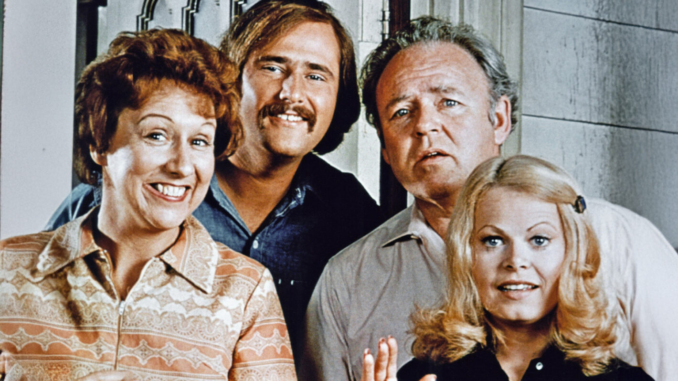
When All in the Family first aired, no one could have predicted just how massive its cultural impact would become. It didn’t just entertain—it challenged norms, sparked debates, and redefined what a sitcom could be. But behind the scenes, a different story was unfolding—one that fans rarely talk about:
Were the actors who made it iconic actually paid what they were worth?
💰 The Early Days: Success Without Equal Pay
Like many television shows of its time, All in the Family didn’t start with massive salaries for its cast. In fact, during the early seasons, the actors were paid relatively modestly compared to the value they brought to the screen.
At that point, no one knew the show would become a phenomenon. Contracts were signed before the ratings exploded—before the cultural influence took hold.
But once it did?
Everything changed—except, at first, their paychecks.
🎭 The Faces Behind the Phenomenon
The brilliance of All in the Family came from its cast—especially Carroll O’Connor and Jean Stapleton.
- Carroll O’Connor brought Archie Bunker to life with a level of complexity rarely seen on TV. He made Archie both frustrating and strangely human.
- Jean Stapleton, as Edith Bunker, delivered a performance filled with warmth, vulnerability, and emotional depth that often grounded the entire show.
Their chemistry, timing, and emotional range weren’t just good—they were essential.
And yet, in the beginning, their salaries didn’t reflect that level of impact.
⚖️ When Negotiations Got Real
As ratings soared and the show became a cultural force, contract disputes began to surface—especially with Carroll O’Connor.
At one point, tensions reportedly escalated to the brink of production delays, as O’Connor pushed for a salary that matched both his contribution and the show’s success.
And honestly? He had a point.
Actors are often the face of a show—but not always its biggest financial beneficiaries. Studios tend to move cautiously, even when a series becomes a hit.
Eventually, raises were negotiated. But the question remains:
👉 Did those raises truly catch up with the value the cast created?
Many fans—and industry insiders—would argue no.
📺 Why Their Work Was Worth More Than a Paycheck
What made All in the Family different wasn’t just its writing—it was how the actors delivered it.
They took controversial, uncomfortable topics and made them accessible.
They turned arguments into unforgettable television.
They made flawed characters feel real.
That kind of performance isn’t easy. It requires emotional risk, precision, and courage—especially in a time when television was far less open to difficult conversations.
In today’s industry, performances of that caliber would likely command significantly higher salaries, bonuses, and backend deals.
Back then?
Not so much.
🤔 By Today’s Standards—Was It Fair?
If we judge by modern television economics, the answer becomes clearer.
Today’s stars of hit shows often earn:
- High per-episode salaries
- Streaming residuals
- Profit participation deals
But in the 1970s, those structures were far more limited.
So while the cast of All in the Family did eventually earn more as the show grew, it’s very likely they were never fully compensated for the long-term value they created.
🕊️ Legacy Over Paychecks
In the end, the cast of All in the Family didn’t just build a successful show—they built a legacy.
Their performances continue to be studied, discussed, and remembered decades later. They helped shape the future of television storytelling.
But that legacy comes with a lingering question:
👉 How many groundbreaking कलाकार (artists) gave more to television than they ever got back?
Because while money reflects success—
impact tells a much deeper story.
And in the case of All in the Family, the impact was priceless… even if the paychecks weren’t.