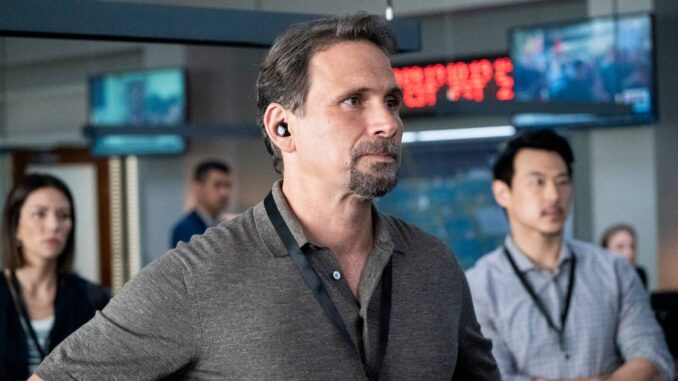
A Shockwave Across the Franchise
In a move that has sent shockwaves through the television landscape, CBS has reportedly pulled the plug on two major entries in the ever-expanding FBI universe. For years, the franchise has stood as one of the network’s most reliable ratings powerhouses, delivering high-stakes storytelling, emotionally grounded characters, and a loyal global fanbase. So when news broke that not one—but two—installments were facing cancellation, viewers were left stunned, confused, and deeply emotional about what this means for the future of their favorite characters.
While official statements remain measured and carefully worded, insiders suggest this decision has been building behind the scenes for months. Shifts in audience behavior, rising production costs, and a strategic pivot toward fresh storytelling appear to have all played a role. Still, for fans who have followed these stories week after week, the announcement feels less like a business decision—and more like the end of an era.
Which ‘FBI’ Shows Are Affected?
Though the flagship FBI series remains safe—for now—the cuts reportedly impact two of its spinoffs: FBI: Most Wanted and FBI: International. Both shows carved out their own identities within the larger franchise, offering unique perspectives on federal law enforcement.
“Most Wanted” captivated audiences with its intense fugitive task force narratives, while “International” brought a global dimension to the franchise, taking viewers across Europe in pursuit of justice. Together, they expanded the “FBI” brand into a multi-layered universe that rivaled other procedural empires on television.
Their cancellations mark a significant contraction of that universe. For fans, it’s not just about losing shows—it’s about saying goodbye to storylines that still felt unfinished, and characters whose journeys seemed far from over.
Fans React: Outrage, Grief, and Uncertainty
Almost immediately after the news surfaced, social media erupted. Longtime viewers took to platforms like X (formerly Twitter) and Reddit to express disbelief, frustration, and heartbreak. Many questioned why successful shows with stable ratings would be cut so abruptly, while others speculated that behind-the-scenes factors—such as cast contracts or production logistics—may have influenced the decision.
Petitions have already begun circulating online, with fans hoping to persuade CBS to reconsider or for streaming platforms to step in and revive the canceled series. This kind of grassroots response isn’t new in today’s television landscape, but the speed and intensity of the reaction underscore just how deeply these shows resonated with audiences.
At the center of the emotional response are the characters themselves. Over multiple seasons, viewers formed strong attachments to the agents, their personal struggles, and the bonds they shared. Losing two shows at once feels, to many, like losing an entire community.
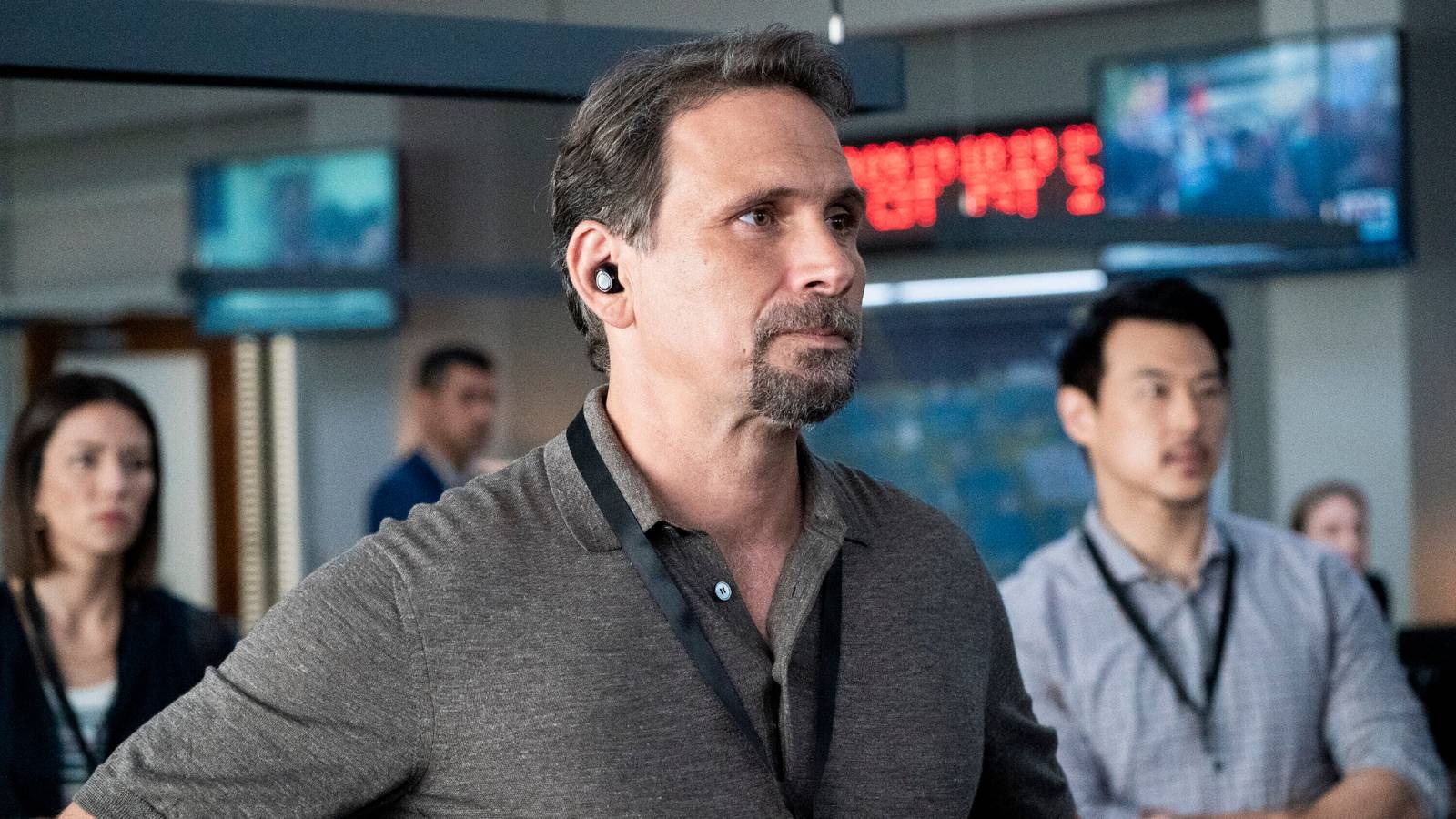
A Strategic Shift Toward the CIA
Even as two doors close, another is opening—and it may signal a bold new direction for the network. Reports indicate that CBS is actively developing a brand-new spinoff centered on the Central Intelligence Agency. Unlike the “FBI” series, which focuses on domestic law enforcement, this new project is expected to dive into the shadowy world of international espionage, covert operations, and political intrigue.
Early buzz suggests the CIA spinoff will carry a darker, more serialized tone, potentially blending procedural elements with long-form storytelling. If successful, it could redefine how audiences perceive the broader universe that began with “FBI,” expanding it into something even more ambitious and globally focused.
This pivot may explain why CBS made the difficult decision to trim its existing lineup. By reallocating resources and creative energy, the network appears to be betting on evolution over continuity—choosing to reinvent rather than simply extend what already exists.
What This Means for the Franchise’s Future
The cancellations raise important questions about the long-term future of the “FBI” brand. Can the flagship series continue to carry the weight of the franchise on its own? Will the CIA spinoff successfully capture the audience’s imagination? And perhaps most importantly, is this the beginning of a larger transformation within CBS’s approach to procedural storytelling?
Television history shows that even the most successful franchises must adapt or risk fading into irrelevance. In that sense, CBS’s decision—while painful—may be part of a necessary evolution. By experimenting with new formats, tones, and themes, the network has an opportunity to keep its storytelling fresh and engaging in an increasingly competitive landscape.
Still, there’s no denying the emotional cost. For fans who have invested years into these stories, the transition won’t be easy. Nostalgia, loyalty, and attachment don’t disappear overnight—and any new project will have to work hard to earn that same level of devotion.
Could There Be a Comeback?
In today’s streaming-driven world, cancellation doesn’t always mean the end. Shows have been revived before—sometimes years later—thanks to fan campaigns and shifting market dynamics. Platforms are constantly searching for established brands with built-in audiences, and the “FBI” universe certainly fits that description.
While there’s no confirmation of a revival at this stage, the possibility remains. If fan demand continues to grow and the numbers make sense, it wouldn’t be surprising to see one or both canceled series find new life elsewhere. Until then, viewers are left holding onto hope—and revisiting past episodes as a way of keeping the stories alive.
The End… or Just a New Beginning?
As the dust begins to settle, one thing is clear: this moment represents a turning point. The cancellation of two major “FBI” shows is more than just a programming change—it’s a signal that the television landscape is shifting once again. Networks are taking bigger risks, audiences are demanding more innovation, and even the most stable franchises are no longer guaranteed longevity.
Whether this marks the end of an era or the beginning of something even bigger remains to be seen. But for now, fans are left with a mix of emotions—grief for what’s ending, curiosity for what’s coming, and a lingering question that echoes across the fandom:
What happens next?