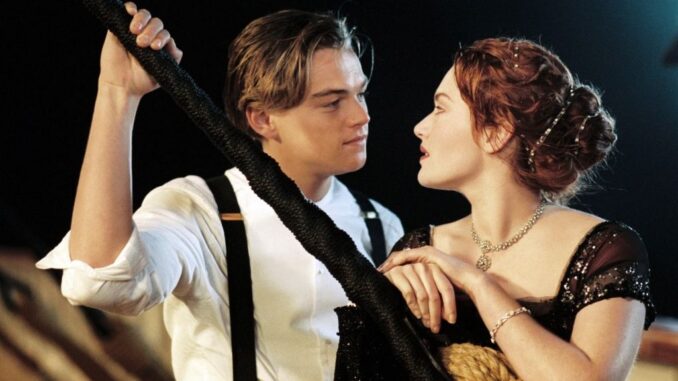
If you logged onto Facebook this morning and felt your heart sink into your stomach like the RMS Titanic, you aren’t alone. A chilling post with the caption “We lost him today…” has been tearing through newsfeeds faster than a California wildfire. The post features a haunting, hyper-realistic image of a young Leonardo DiCaprio—looking exactly like Jack Dawson—accompanied by a somber black ribbon and a “Rest in Peace” message.
But before you start blasting Celine Dion and weeping into your morning coffee, let’s set the record straight: Leonardo DiCaprio is alive and well. What we are witnessing is perhaps the most sophisticated celebrity death hoax of 2026. It’s a perfect storm of nostalgia, high-tech manipulation, and the sheer velocity of social media panic. Let’s dive into how this happened and why millions of people fell for a digital ghost.
🌊 The Anatomy of a High-Tech Hoax
We’ve seen death hoaxes before. Usually, they are poorly spelled tweets or grainy photoshopped tabloid covers. But this one? This was different. In 2026, the tools available to scammers have reached a level of “uncanny valley” that makes it nearly impossible for the average scroller to distinguish fact from fiction.
The Use of Iconic Titanic Imagery
Why Titanic? Because it’s the universal language of grief. By using AI-enhanced images of DiCaprio from his most iconic role, the hoaxers tapped into a deep well of collective nostalgia. It wasn’t just a picture of an actor; it was a picture of “Jack,” the boy the world fell in love with nearly 30 years ago.
The “Viral Hook” Mechanism
The post didn’t just say “Leo died.” It used a vague, emotional hook: “We lost him today… click to see his final moments.” This is classic clickbait designed to bypass your logical brain and trigger an emotional reflex. Once you click, you aren’t met with a news report; you’re usually met with a sea of malware or ad-heavy websites.
🚨 Why Facebook Became Ground Zero in 2026
While platforms like X (formerly Twitter) and TikTok move fast, Facebook remains the powerhouse for “family-and-friend” sharing. When your Aunt Linda shares a post saying Leo is gone, you’re more likely to believe it than if a random bot account says it.
The Echo Chamber Effect
On Facebook, once a post hits a certain threshold of engagement, the algorithm pushes it to everyone. By the time fact-checkers could lace up their boots, the hoax had already traveled halfway around the world. It’s the digital version of a “broken telephone” game, played by millions of people simultaneously.
🕵️ Spotting the Red Flags: How to Not Get Fooled
How did so many people get caught in the net? It’s all about the “burstiness” of the news. When information hits your screen with that much intensity, your first instinct is to share, not to verify.
H3: Check the Source, Always
Was the “obituary” posted by The New York Times or Variety? Or was it posted by a page called “Daily Entertainment News 24/7” with only 300 followers? In 2026, anyone can buy a “verified” badge or create a page that looks official. If the major news outlets aren’t reporting the death of an Oscar winner, it didn’t happen.
H3: Look for AI “Glitch” Artifacts
If you look closely at the viral Titanic images used in the hoax, there are tell-tale signs of AI generation. Maybe the water droplets on Jack’s face look a bit too much like glass, or the background looks slightly distorted. AI is good, but it still struggles with the nuances of human imperfection.
🔥 The Human Cost of Digital Lies
It’s easy to dismiss this as “just the internet being the internet,” but there’s a darker side to these hoaxes.
The Impact on the Celebrity and Their Family
Imagine being Leonardo DiCaprio’s mother or a close friend and seeing “RIP Leo” trending globally before you can even get him on the phone. It’s a cruel form of psychological warfare that treats human lives as currency for clicks.
The Erosion of Truth
Every time a fake obituary goes viral, it chips away at our ability to trust anything we see online. If we can’t believe our eyes when we see a “photo” of an actor, what happens when the news is about something truly critical, like a natural disaster or an election?
🏗️ The Role of AI in 2026 Misinformation
We’ve officially entered the era of the “Deepfake Death.” In the past, you needed a team of CGI experts to pull this off. Today, a teenager with a smartphone and a subscription to an AI image generator can create a masterpiece of deception in thirty seconds.
H3: The Ethical Void
There are currently very few safeguards to prevent AI from being used this way. While companies like Meta (Facebook) claim to be working on AI-detection tools, the scammers are always one step ahead. They are the digital version of the “cat and mouse” game, and right now, the mouse has a jetpack.
H3: The “Titanic” Metaphor
In a way, our current information landscape is like the Titanic. We are sailing through an ocean full of “misinformation icebergs.” We think we’re unsinkable because we have high-speed internet and smartphones, but one wrong turn—one shared fake post—and we’re taking on water.
🎭 Leo’s Reaction: A Man of Few Words
True to form, Leonardo DiCaprio hasn’t issued a frantic press release. He’s never been one for social media drama. However, sources close to the actor have confirmed he is busy working on his latest project and is, quite frankly, used to the internet trying to “kill him off” every few years.
His Stance on AI
Ironically, DiCaprio has been a vocal critic of AI being used to replace human artistry in Hollywood. This hoax only proves his point—technology without a soul is just a tool for chaos.
💡 How to Be a Better Digital Citizen
We all have a role to play in stopping the spread of these “internet viruses.”
-
Stop and Breathe: If a headline makes you gasp, wait 60 seconds before clicking “Share.”
-
Search the Name: Type “Leonardo DiCaprio” into a search engine. If he’s dead, it will be the only thing on the screen.
-
Report the Post: Don’t just ignore the fake news; report it to the platform so the algorithm can kill the reach.
Conclusion
The 2026 Leonardo DiCaprio death hoax is a stark reminder that the internet is a double-edged sword. It gives us instant access to the world, but it also gives the world instant access to our emotions. Using the tragedy of the Titanic to sell a lie is a low blow, even for the dark corners of Facebook. Leo is fine, his career is booming, and Jack Dawson is still safely tucked away in our movie memories. Let’s make sure our common sense doesn’t hit the bottom of the ocean along with the next viral hoax. Stay sharp, stay skeptical, and maybe go re-watch Inception—at least there, the “fake” world is part of the plot!
❓ 5 Unique FAQs After The Conclusion
Q1: Why do people keep making these fake obituaries?
A1: Money and data. Most of these posts lead to websites that generate massive ad revenue from the sudden spike in traffic, or they try to trick you into downloading malware or giving up personal information.
Q2: Does Leonardo DiCaprio have an official Facebook page?
A2: Yes, he has official, verified social media accounts. Always check for the blue checkmark and look at the history of the posts before believing a “Breaking News” update.
Q3: Can the people who start these hoaxes be prosecuted?
A3: It’s incredibly difficult. Many of these scams originate from overseas jurisdictions where digital fraud laws are lax. Unless it’s tied to a major financial crime, they often stay anonymous.
Q4: Is the AI image of Jack Dawson from the hoax available to download?
A4: We strongly recommend against searching for or downloading these images. Many of the sites hosting them are “honeypots” designed to infect your device with viruses.
Q5: How many times has Leonardo DiCaprio been a victim of a death hoax?
A5: Over the course of his 30+ year career, he has been the subject of dozens of hoaxes. From “skiing accidents” to “plane crashes,” he is one of the most frequent targets in Hollywood.