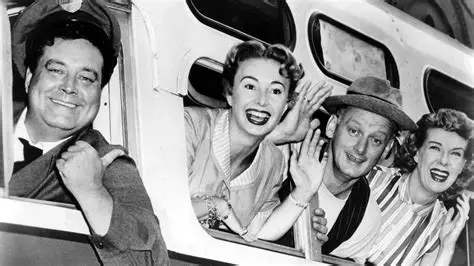
More than half a century after it first appeared on television, The Honeymooners continues to hold a special place in the history of American comedy. Though the series famously produced only the legendary “Classic 39” episodes during its original 1955–1956 run, its influence has endured for generations. For many fans and television historians, the show remains one of the greatest examples of classic sitcom storytelling.
What makes The Honeymooners so remarkable is not just its humor, but its ability to capture universal experiences—ambition, frustration, friendship, and love—through simple but unforgettable characters. The show’s blend of timeless humor, relatable personalities, and working-class realism ensures that it continues to resonate with audiences even decades after its debut.
Timeless Humor That Still Makes Audiences Laugh
Comedy styles often change over time, but the humor in The Honeymooners has proven remarkably durable. Much of the show’s comedy comes from human behavior rather than topical jokes or cultural references. This means that even modern audiences can understand and appreciate the humor.
At the center of the show’s comedic energy is Ralph Kramden, the loud and ambitious bus driver played by Jackie Gleason. Ralph’s grand dreams of wealth and success constantly lead him into ridiculous situations, creating a cycle of hope, failure, and self-realization that audiences instantly recognize.
Ralph’s exaggerated confidence, explosive temper, and dramatic speeches made him one of television’s most entertaining characters. His famous outbursts and over-the-top reactions created moments of comedy that remain memorable even today.
Meanwhile, the calm sarcasm of his wife, Alice Kramden, provides the perfect comedic counterbalance. Played brilliantly by Audrey Meadows, Alice’s quick wit often deflates Ralph’s unrealistic ambitions with a single remark.
The show’s humor works because it is rooted in everyday situations—arguments about money, misunderstandings between friends, and dreams of improving one’s life. These experiences are universal, which helps explain why the comedy still feels fresh.
Relatable Characters That Feel Real
Another reason for the show’s lasting relevance is its unforgettable cast of characters. Unlike many television shows of the era that focused on idealized families, The Honeymooners portrayed people who felt authentic and flawed.
Ralph Kramden is far from perfect. He is impulsive, stubborn, and occasionally selfish. Yet beneath his bluster lies a good-hearted man who truly loves his wife and friends. His struggles with disappointment and ambition reflect the challenges many people face in real life.
Ralph’s best friend, Ed Norton, played by Art Carney, provides another dimension of humor. Norton’s cheerful optimism contrasts with Ralph’s frustration, creating one of the most memorable comedic friendships in television history.
Even the supporting characters feel authentic. Trixie Norton, played by Joyce Randolph, shares Alice’s practical perspective, often observing the chaotic plans of their husbands with amused patience.
These characters remain relatable because their personalities are grounded in real human emotions. They argue, they dream, they fail—and ultimately, they care deeply about each other.
A Working-Class Setting That Reflected Real Life
When The Honeymooners first aired, its setting was unusual for television. Instead of portraying wealthy families or glamorous lifestyles, the show focused on working-class life in Brooklyn.
Ralph worked as a bus driver, while Norton was employed as a sewer worker. The couples lived in a modest apartment, struggling with the financial pressures and everyday frustrations that many viewers understood.
This realistic setting helped the show stand out from other programs of the era. It also made the characters more relatable to audiences who were experiencing similar challenges in their own lives.
The working-class environment also shaped the show’s storytelling. Many episodes revolve around Ralph’s attempts to escape financial limitations through ambitious schemes—starting businesses, inventing gadgets, or entering contests.
While these plans rarely succeed, they reveal something deeply human: the desire to improve one’s circumstances. This theme remains relevant in every generation.
A Milestone in Television History
Beyond its humor and characters, The Honeymooners holds an important place in the development of the sitcom genre.
The show helped establish many of the storytelling techniques that later sitcoms would adopt. Its focus on character-driven humor, recurring settings, and relatable domestic situations became a blueprint for television comedy.
The influence of The Honeymooners can be seen in later classics such as All in the Family and even animated shows like The Flintstones, whose characters were famously inspired by Ralph and Norton.
The series also demonstrated the power of performance. Jackie Gleason’s larger-than-life acting style and Art Carney’s brilliant physical comedy showed how talented performers could elevate simple scripts into unforgettable entertainment.
Television historians often describe The Honeymooners as one of the foundations of modern sitcom storytelling.
Why New Generations Still Discover the Show
Despite being produced in the 1950s, The Honeymooners continues to attract new viewers. Part of this appeal lies in its simplicity. The episodes focus on strong dialogue, character interaction, and comedic timing rather than complex special effects or elaborate production.
This simplicity allows modern audiences to appreciate the show’s craftsmanship. The humor feels organic, and the characters feel genuine.
Streaming platforms and classic television networks have also helped introduce the series to younger viewers who might not otherwise encounter it.
For many people discovering the show today, it offers a fascinating glimpse into both the early days of television and the universal nature of comedy.
The Enduring Honeymooners Legacy
In the end, the continued relevance of The Honeymooners comes down to one simple truth: great storytelling never goes out of style.
The show’s timeless humor, relatable characters, and honest portrayal of everyday life have ensured that it remains a cornerstone of classic sitcom history. Its influence on television comedy is still visible today, proving that even a short-lived series can leave a powerful cultural legacy.
For fans exploring the Honeymooners legacy, the show offers more than nostalgia. It provides a reminder that the best comedy is built on authentic human experiences—ambition, friendship, love, and the occasional ridiculous scheme.
And as long as audiences continue to laugh at Ralph Kramden’s big dreams and Ed Norton’s cheerful loyalty, The Honeymooners will remain one of television’s most cherished classics.