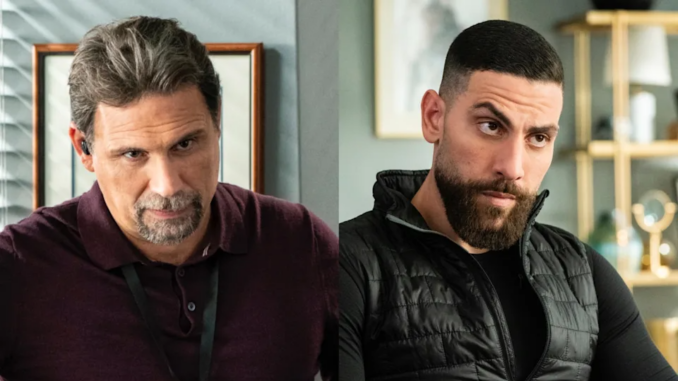
The high-stakes world of the New York FBI Field Office is built on the foundation of precision, protocol, and split-second decision-making. However, the most recent episode has left the audience questioning the core of one of its most reliable leads. As the team raced against a ticking clock to stop a coordinated cyber-terrorist cell, a pivotal moment occurred that left everyone in the room—and at home—stunned. Did OA just make the biggest mistake in the case, or is there something deeper behind his decision? This question is currently dominating the online discourse, as viewers try to reconcile the tactical genius they know with the reckless choice they just witnessed.
The incident happened during a high-pressure pursuit through a crowded transit hub. While chasing a suspect believed to possess a drive containing critical infrastructure codes, OA Zidan made a choice that went against every rule in the FBI handbook. Instead of waiting for back-up or containing the suspect within a secure perimeter, he allowed the individual to slip away in exchange for securing a secondary location that seemed irrelevant to the immediate threat. On the surface, it looked like a massive tactical blunder—a rookie mistake from a seasoned veteran who has been in much tighter spots before.
In the aftermath, the tension within the team was at an all-time high. Maggie Bell, who has always been his most vocal supporter, was visibly shaken by his lack of communication during the heat of the moment. From a professional standpoint, OA’s decision allowed a primary target to remain at large, putting the city at continued risk. To many, it appeared that OA had finally cracked under the cumulative pressure of his demanding career. However, those who have followed the show closely suspect that there is a more complex layer to this narrative than a simple lapse in judgment.
One compelling theory is that OA is playing a much longer game than his colleagues realize. Throughout the series, he has shown an incredible ability to think three steps ahead. Some fans argue that by letting the suspect go, he was intentionally planting a seed of trust or following a lead that he discovered through an unsanctioned channel. If OA has reason to believe that the suspect is actually a double agent or a victim of coercion, his decision to let them flee might be an attempt to reach the true mastermind behind the cell. This would explain his cryptic behavior and his refusal to offer a full explanation during the post-mission debrief.
Another possibility involves OA’s personal history and his deep-seated sense of justice. He has often struggled with cases that mirror his own experiences or involve communities he feels a responsibility to protect. If this specific case touched on a personal nerve, his mistake might not be a failure of skill, but a conflict of conscience. This would add a rich layer of drama to the character, showing that even the most disciplined agents are still human and prone to emotional interference. If this is the case, the show is steering toward a major character arc involving OA’s mental health and his future with the Bureau.
The fallout from this decision has also created a fascinating power dynamic within the office. Jubal Valentine and Isobel Castille are now forced to scrutinize an agent they previously trusted implicitly. This creates a ripple effect of suspicion that slows down the entire operation. The surprising part is how OA has handled the criticism; instead of being defensive, he has remained stoic and almost defiant. This suggests that he is fully aware of the consequences and is willing to sacrifice his reputation for whatever end goal he has in mind.
Whether it was a genuine mistake or a calculated risk, the outcome is the same: the team is fractured. The writers have successfully managed to turn a standard procedural episode into a psychological puzzle. Viewers are now forced to re-evaluate their perception of OA. Is he still the dependable Army Ranger we met in season one, or has the darkness of the job finally started to cloud his vision? The genius of this plot twist lies in its ambiguity, leaving the audience to wait in anticipation for the next piece of the puzzle.
As we look toward the upcoming episodes, it is clear that this moment will be the turning point for the season. If OA was wrong, he faces a long road to redemption and a potential demotion. If he was right, he may have just saved the city in a way that no one else could see. Regardless of the truth, this storyline has reignited a passion in the fanbase, proving that after several years on the air, FBI still has the power to surprise, challenge, and captivate its audience by testing the limits of its heroes.