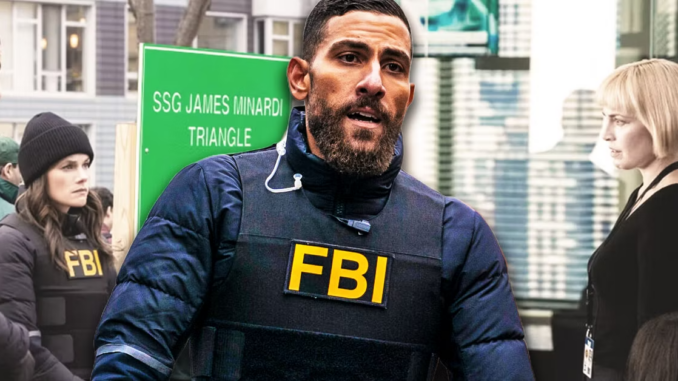
The latest season of FBI on CBS has been a whirlwind of high-stakes cases and internal friction, but a recent episode left the fanbase buzzing for all the wrong reasons. While the procedural drama is known for its grounded characters and steady pacing, the spotlight recently turned toward Omar Adom OA Zidan, played by Missy Peregrym’s long-time screen partner Zeeko Zaki. However, instead of the usual praise for his stoic bravery, the internet was flooded with confusion. Fans noticed something unusual about OA in the latest episode, and it didn’t feel like him at all.
For years, OA has been the moral anchor of the New York Field Office. He is typically the one who balances Maggie Bell’s intensity with a calm, tactical perspective. He is a former Army Ranger who values the chain of command, respects the nuance of undercover work, and, most importantly, maintains a level head under pressure. Yet, in this specific installment, that version of OA seemed to have vanished, replaced by a character who was uncharacteristically erratic, overly emotional, and dismissive of the very protocols he usually defends.
The disconnect began early in the episode during a standard briefing. Usually, OA is the first to analyze the logistics of a suspect’s movement, but here he was seen snapping at colleagues and making impulsive tactical suggestions that seemed to prioritize speed over safety. On social media platforms like Reddit and X, viewers were quick to point out that OA’s decision-making felt forced by the script rather than driven by his established personality. It felt as if the writers needed a source of conflict and chose him to be the catalyst, even if it meant ignoring seasons of character growth.
One of the most jarring moments occurred during a tense interrogation scene. OA has always been the good cop or the silent observer, using his presence to intimidate without losing control. In this episode, however, his aggression toward a person of interest felt unearned. There was a lack of the usual empathy he shows toward victims or the calculated coolness he uses against criminals. Many fans speculated that the show might be trying to set up a burnout arc, but the transition was so abrupt that it felt less like a narrative choice and more like a continuity error.
Furthermore, his chemistry with Maggie felt off-kilter. The partnership between Zaki and Peregrym is the heart of the show, built on a foundation of unspoken trust. When OA started keeping secrets or ignoring Maggie’s tactical calls, it created a friction that didn’t feel organic. While drama needs conflict, the “unusual” behavior didn’t have a clear catalyst within the episode’s plot. Usually, when a character acts out, there is a clear personal stake—a family member in danger or a past trauma resurfacing. Without that context, OA’s actions felt hollow.
From a production standpoint, this shift in characterization can sometimes happen when a series reaches its middle-aged seasons. Shows often try to “shake things up” to prevent a formulaic feel. However, the strength of a procedural like FBI lies in the reliability of its leads. When a character like OA—who is a hero to many for his representation and integrity—suddenly acts out of alignment with his core values, it breaks the immersion for the audience.
The online discourse has centered on whether this is a permanent shift or a temporary lapse. Some theories suggest that OA might be dealing with “off-screen” stress that hasn’t been fully revealed to the audience yet. Others are more critical, suggesting that the writing team may have simply missed the mark on his voice. Regardless of the reason, the consensus is clear: the OA we saw this week was a stranger to the fans who have followed him for nearly a decade.
As the season progresses, viewers are hoping for a “course correction.” We want to see the return of the tactical, empathetic, and reliable agent who has become a staple of Tuesday night television. Character evolution is always welcome, but it must be earned through a logical sequence of events. If the show intends to take OA down a darker or more reckless path, they need to show us the “why” behind the change. For now, the latest episode stands as a confusing outlier in an otherwise solid season, leaving fans wondering if their favorite agent will ever truly be himself again.