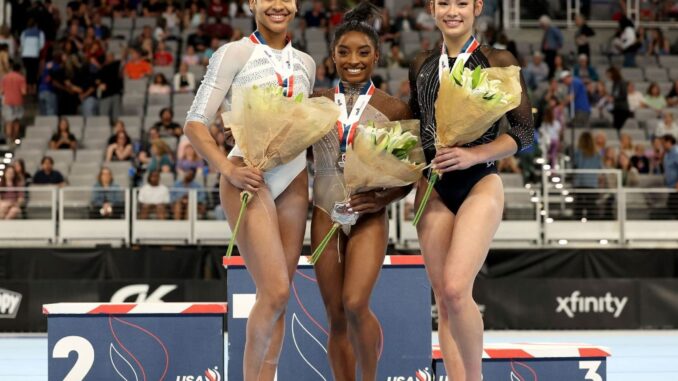
A Decision That Shook the World of Sports
The world of sports thrives on competition, fairness, and unity. But every now and then, a decision emerges that challenges all three at once. The recent announcement by the International Olympic Committee (IOC) to ban transgender women athletes from competing in women’s categories has done exactly that.
This isn’t just another policy change. It’s a seismic shift—one that’s igniting debates across locker rooms, living rooms, and legislatures worldwide. Some call it a victory for fairness. Others see it as a step backward for inclusion.
So what’s really going on here? Let’s unpack it.
Understanding the IOC’s Decision
What the New Rule Actually Says
The IOC’s updated policy introduces stricter eligibility criteria for women’s categories, effectively excluding transgender women from participating at the Olympic level. The justification? Ensuring “fair competition” based on biological differences.
Why Now? Timing Matters
Why did this happen now? The pressure has been building for years. Scientific studies, athlete protests, and public scrutiny have all pushed governing bodies to take a clearer stance.
The Science Behind the Debate
Biological Differences and Performance
Let’s be real—sports are deeply rooted in physical capability. Factors like muscle mass, bone density, and oxygen capacity often differ between biological sexes.
Hormone Therapy – Is It Enough?
For years, testosterone suppression was seen as a solution. But critics argue it doesn’t fully eliminate physical advantages gained during puberty.
The Gray Areas of Science
Here’s the tricky part: science isn’t black and white. Different studies offer different conclusions, making policy decisions incredibly complex.
Fairness vs. Inclusion
The Core Conflict
At the heart of this issue lies a fundamental question:
Can fairness and inclusion truly coexist in competitive sports?
Athletes Speak Out
Some female athletes argue that inclusion compromises fairness. Others insist that exclusion undermines the spirit of the Olympics.
A Balancing Act
Think of it like a tightrope. Lean too far toward fairness, and you risk exclusion. Lean too far toward inclusion, and fairness might suffer.
Global Reactions to the Ban
Supporters Applaud the Move
Supporters claim the decision protects women’s sports. They argue that without clear boundaries, competition becomes uneven.
Critics Raise Concerns
On the flip side, critics see this as discrimination. They worry about the message it sends to transgender individuals worldwide.
Social Media Explosion
Platforms lit up instantly. Hashtags trended. Opinions clashed. The internet became a battlefield of perspectives.
Impact on Athletes
Dreams Put on Hold
For transgender women athletes, this decision is more than policy—it’s personal. Years of training, sacrifice, and ambition suddenly face uncertainty.
Mental Health Implications
Rejection at this level can take a toll. Identity, belonging, and purpose are deeply tied to sports for many athletes.
Alternative Paths
Some may seek other competitions or categories. But let’s be honest—it’s not the same as the Olympic stage.
Legal and Ethical Questions
Could This Lead to Lawsuits?
Possibly. Human rights organizations are already examining the policy’s legality in different countries.
Ethical Dilemmas
Is it ethical to exclude a group for the sake of fairness? Or is it unethical not to?
The Future of Women’s Sports
A New Era Begins
This decision could redefine how women’s sports are structured globally.
Will Other Organizations Follow?
Many sports federations look to the IOC for guidance. This could trigger a domino effect.
Emerging Categories?
Some experts suggest creating new categories. It sounds simple—but implementing it? Not so much.
Public Opinion – Deeply Divided
Generational Differences
Younger audiences often lean toward inclusion. Older generations tend to prioritize traditional definitions of fairness.
Cultural Influences
Different countries view gender and sports through unique lenses, adding another layer to the debate.
Media’s Role in Shaping the Narrative
Headlines That Fuel the Fire
Media coverage can amplify emotions—sometimes helping, sometimes hurting the conversation.
The Power of Framing
How a story is told often matters as much as the story itself.
What This Means for the Olympics
Reputation at Stake
The Olympics symbolize unity. Decisions like this test that image.
Audience Engagement
Controversy can increase attention—but at what cost?
The Bigger Picture
Sports as a Reflection of Society
Sports don’t exist in a vacuum. They mirror societal values, struggles, and progress.
An Ongoing Conversation
This isn’t the end. It’s just another chapter in a much larger story.
Conclusion: A Defining Moment in Sports History
The IOC’s decision to ban transgender women athletes marks a turning point—one that forces us to confront uncomfortable questions about fairness, identity, and inclusion.
There’s no easy answer here. It’s like trying to solve a puzzle where every piece changes shape depending on how you look at it.
What’s clear, though, is this: the conversation is far from over. As science evolves and society shifts, policies will continue to adapt. Whether this decision stands the test of time remains to be seen.
But one thing’s for sure—it has already changed the game.