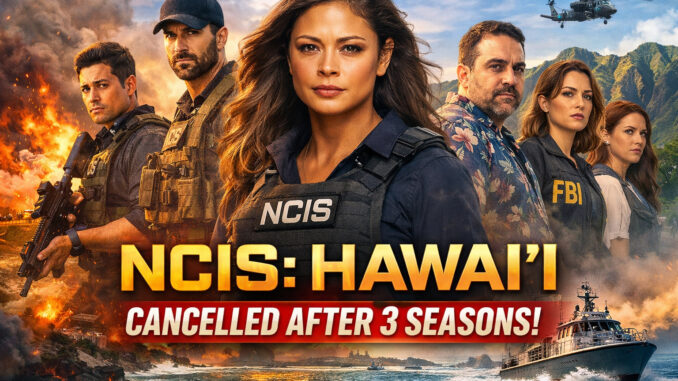
A Sudden Goodbye That No One Expected
If you’re a fan of crime dramas, chances are you’ve heard the shocking news—NCIS: Hawaiʻi has officially been cancelled by CBS after just three seasons. And yes, it stings.
This wasn’t just another procedural show. It had sun-soaked visuals, compelling characters, and a fresh twist on a beloved franchise. So why did it end so abruptly? Let’s unpack everything—from ratings and behind-the-scenes decisions to what this means for the future of the NCIS universe.
The Rise of NCIS: Hawaiʻi
A Promising Start in a Legendary Franchise
The NCIS franchise has always been a powerhouse. From its flagship series to spin-offs like NCIS: Los Angeles and NCIS: New Orleans, it has built a loyal audience over decades.
When NCIS: Hawaiʻi premiered, expectations were sky-high—and it delivered.
A Unique Setting That Stood Out
Set against the breathtaking backdrop of Hawaii, the show instantly felt different. It wasn’t just about crime—it was about culture, community, and connection.
Strong Characters and Representation
The series also broke new ground with a female lead and diverse cast. It wasn’t just entertainment—it felt progressive and refreshing.
Why Did CBS Cancel NCIS: Hawaiʻi?
The Ratings Game – A Harsh Reality
Let’s be honest—TV is a numbers game.
Even though the show had a loyal fanbase, its ratings began to dip over time. In today’s competitive streaming era, even “good” numbers sometimes aren’t good enough.
Rising Production Costs
Filming in Hawaii isn’t cheap. Between location logistics, crew expenses, and travel costs, the show carried a hefty price tag.
And when costs rise while ratings fall? Networks start asking tough questions.
Strategic Shifts at CBS
CBS has been quietly reshaping its programming strategy. The network is focusing more on cost-efficient productions and new formats.
Unfortunately, NCIS: Hawaiʻi didn’t fit neatly into that evolving blueprint.
Fan Reactions – Shock, Anger, and Disappointment
Social Media Erupts
Fans didn’t take the news lightly. Twitter, Reddit, and Facebook lit up with reactions ranging from disbelief to outright frustration.
Petitions and Campaigns
Within hours of the announcement, petitions began circulating. Fans demanded answers—and even hoped for a revival.
Emotional Connection to Characters
This wasn’t just a show people watched casually. Viewers had formed deep connections with the characters, making the cancellation feel personal.
What Made NCIS: Hawaiʻi Special?
A Fresh Take on a Familiar Formula
The show blended classic NCIS storytelling with new energy. It kept the procedural format but added emotional depth.
Cultural Authenticity
Hawaiian culture wasn’t just a backdrop—it was woven into the storytelling. That authenticity gave the show heart.
Balanced Action and Emotion
It wasn’t all explosions and investigations. The show knew when to slow down and focus on human stories.
The Business Side of Television
Why Popular Shows Still Get Cancelled
Here’s the harsh truth: popularity doesn’t guarantee survival.
Networks consider multiple factors:
- Production costs
- Syndication potential
- Streaming performance
- Advertiser demand
The Streaming Era Effect
With streaming platforms dominating the landscape, traditional networks like CBS face increasing pressure to adapt.
Shorter Lifespans for Modern Shows
Gone are the days when shows ran for 10+ seasons by default. Today, even successful series can end quickly.
Could NCIS: Hawaiʻi Be Saved?
The Possibility of a Revival
Never say never.
Streaming platforms like Netflix or Paramount+ have revived cancelled shows before. If demand is strong enough, anything is possible.
Fan Power in the Digital Age
Fans have more influence than ever. Social media campaigns can—and have—brought shows back from the dead.
Spin-Off Potential
Even if the show doesn’t return, its characters could live on in other NCIS projects.
What’s Next for the NCIS Franchise?
A Franchise Still Going Strong
Despite this cancellation, the NCIS brand isn’t going anywhere. It remains one of the most successful franchises in television history.
New Projects in Development
CBS continues to explore new spin-offs and ideas to keep the universe alive and evolving.
Lessons Learned from Hawaiʻi
Every show teaches the network something. Expect future projects to reflect what worked—and what didn’t.
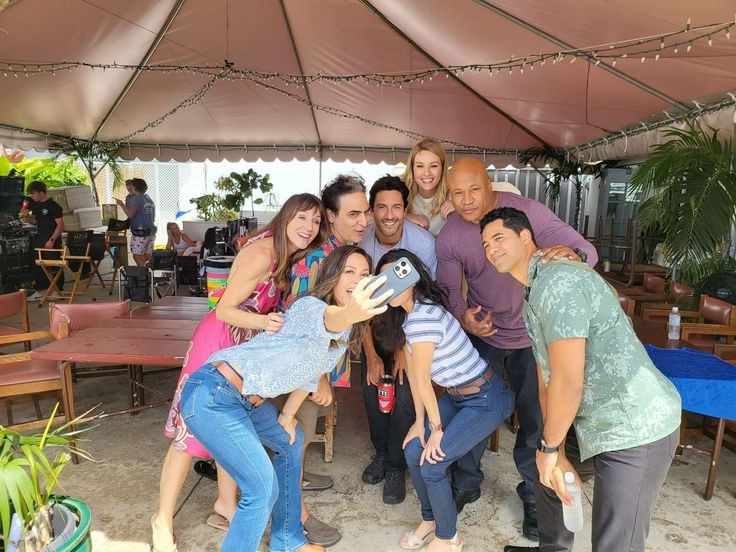
The Emotional Impact of Cancellation
Why It Feels Personal
When a show ends, it’s like saying goodbye to friends. You’ve spent hours with these characters—they matter.
The Power of Storytelling
Great shows leave a lasting imprint. Even after cancellation, their stories continue to resonate.
Moving On as a Viewer
It’s never easy, but new stories are always waiting. And who knows? Your next favorite show might be just around the corner.
Conclusion: The End… Or Just Another Chapter?
The cancellation of NCIS: Hawaiʻi marks the end of an era—but not the end of the story.
In many ways, it reflects the changing landscape of television. Networks are evolving, audiences are shifting, and the rules are being rewritten.
But one thing remains constant: great storytelling always finds a way to survive.
So while we say goodbye for now, we can still hold onto the moments, the characters, and the impact this show left behind.
And who knows? In the world of TV, endings are sometimes just new beginnings in disguise.