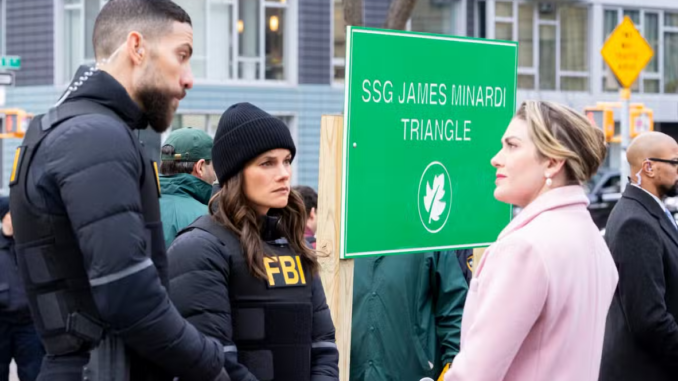
The moral landscape of the FBI franchise has always been painted in shades of grey, but a recent episode has pushed the boundaries of law enforcement ethics further than ever before. Central to this controversy is Special Agent Omar Adom OA Zidan, a character known for his immense discipline, military precision, and deep-seated respect for the constitution. However, a recent interrogation scene has left the audience and the fictional Bureau itself in a state of shock. The intensity of the confrontation was so visceral that it has sparked a massive debate among fans: Did OA finally cross the line? For a character who has often been the voice of reason, this sudden shift into a more aggressive, perhaps even desperate territory, changes everything we thought we knew about his trajectory.
The scene in question involved a high-value suspect with links to a localized terror cell, holding information that could prevent a catastrophic loss of life. While the clock was ticking, the standard rapport-building techniques failed to yield results. What followed was a masterclass in tension as OA stepped into the room, discarded the usual protocols, and engaged in a psychological and physical intimidation tactic that felt uncomfortably close to the methods he once fought against. It was a raw, unfiltered look at a man pushed to his absolute limit, where the pressure of saving lives collided head-on with his personal history and cultural identity.
Watching OA in that room was a transformative experience for the viewers. Zeeko Zaki delivered a performance that stripped away the polished veneer of a federal agent to reveal a man haunted by the weight of his responsibilities. The way he used his physical presence to dominate the space and the cold, calculated nature of his threats suggested a darkness that has been simmering beneath the surface for seasons. It wasn’t just about the information; it was about the frustration of a man who is tired of seeing the same cycles of violence repeat themselves. By the time he walked out of that room, the suspect was broken, but so was the image of OA as the untouchable moral pillar of the team.
The fallout from this interrogation has created an immediate rift within the New York Field Office. Maggie Bell, who has always relied on OA as her steady anchor, looked on with a mixture of confusion and genuine concern. The silence between them in the aftermath spoke volumes, signaling that their partnership has entered a dangerous new phase. Even the leadership, including Isobel Castille and Jubal Valentine, found themselves in a difficult position. They needed the results OA provided, but the methods used have opened the door to legal scrutiny and internal affairs investigations. This scene effectively dismantled the idea that the ends always justify the means, even when the stakes are as high as they were in this case.
From a storytelling perspective, this shift in OA’s character is a brilliant move to keep the series from becoming predictable. Procedural dramas often struggle to find new ways to challenge veteran characters, but by forcing OA to confront his own capacity for darkness, the writers have breathed new life into his arc. It raises poignant questions about the long-term effects of undercover work and the psychological toll of being a minority in a high-stakes law enforcement role. If OA can cross the line once, what stops him from doing it again? The sense of certainty that once defined his actions has been replaced by a lingering ambiguity that makes every future case more unpredictable.
As the season continues, the repercussions of that interrogation will likely serve as the primary catalyst for OA’s character development. He is now an agent who has looked into the abyss and realized that he is not immune to its pull. Whether he can find his way back to the principled man he used to be or if he will continue to lean into these more aggressive tactics is the central mystery facing the fanbase. The scene didn’t just provide a momentary shock; it redefined the moral stakes of the show. It reminded us that even the best agents are only one bad day away from making a choice they can never take back.
For those who have followed the show since the beginning, rewatching this specific moment is essential to understand the subtle clues the writers have been dropping for years. OA’s evolution from a disciplined soldier to a conflicted federal agent is now complete, and the path ahead looks darker and more complex than ever. The line has been crossed, the rules have been broken, and the FBI team will never be quite the same again. We are left wondering if the version of OA we admired is gone for good, replaced by a man who understands that in a broken world, sometimes you have to break yourself to get the job done.