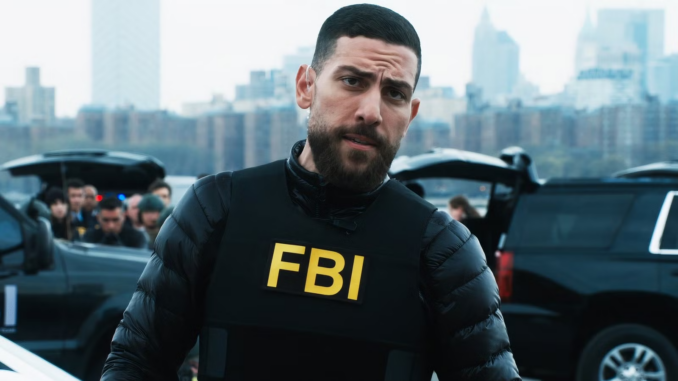
The world of procedural drama is often defined by its constants, and for fans of the hit series FBI, Special Agent Omar Adom OA Zidani has been the ultimate rock. Partnered with Maggie Bell, OA has navigated the most dangerous streets of New York, dismantled terrorist cells, and served as the moral compass of the JOC. However, recent narrative shifts have left the audience in a state of collective panic. The latest storyline involving Zeeko Zaki’s beloved character has moved beyond a simple case-of-the-week formula and into a territory that feels dangerously permanent. Fans are now asking the question they never thought they would have to face: Is this truly the end for OA?
The tension began to simmer during a high-stakes undercover operation that pushed OA to his absolute psychological limits. We have seen him face prejudice, physical injury, and the loss of informants before, but the current arc delves into a much deeper struggle regarding his identity and his future within the Bureau. When a mission involving his own community went sideways, it sparked a crisis of conscience that the character hasn’t been able to shake. For the first time in the show’s history, OA is questioning whether the badge is worth the personal cost, and the writers are making sure the audience feels every bit of that hesitation.
What makes this moment so pivotal is the weight of the decision OA is currently facing. It isn’t just about a career change; it is about a fundamental shift in how he views justice and his role in a system that often feels at odds with his personal values. Zeeko Zaki has delivered some of his most nuanced performances to date, portraying a man who is physically present but emotionally checked out. The silence between him and Maggie in the car, once filled with easy camaraderie, is now heavy with unspoken fears. This emotional distance is a clear signal that the character is standing on a precipice, looking at a life that might not include the FBI.
Speculation about Zeeko Zaki’s departure has set social media ablaze. In the television industry, when a lead character starts discussing a life outside the job or reflects heavily on their legacy, it often serves as a precursor to an exit. While there has been no official confirmation from the network, the narrative breadcrumbs are impossible to ignore. The introduction of new dynamics within the squad and the increased focus on secondary characters suggest that the show might be preparing for a massive shake-up. If OA leaves, the vacuum left behind would be nearly impossible to fill. He isn’t just a muscle or a tactical mind; he is the soul of the partnership that carries the show.
The impact of such a decision would resonate far beyond the walls of the FBI headquarters. OA has become a symbol of representation and integrity for millions of viewers. Seeing him grapple with burnout and a loss of faith in the mission is a bold move by the showrunners, reflecting the real-world exhaustion faced by those in high-stress law enforcement roles. It humanizes a character who often seems invincible. If this is indeed the end of his journey with the team, it marks a dark and transformative chapter for the series. The show has always been about the cases, but it is the people who keep us coming back, and losing OA would feel like losing a family member for the dedicated fanbase.
As we approach the season finale, the stakes have never been higher. Every conversation, every look toward the exit, and every heavy sigh from OA feels like a countdown. Whether he decides to stay and fight through his disillusionment or chooses a path of peace away from the violence of the field, the show has successfully created a “don’t miss” moment in television. We are witnessing the evolution of a hero, even if that evolution leads him away from the life we’ve grown to love. The next few episodes will undoubtedly be a rollercoaster of emotions, leaving fans to wonder if the JOC will ever look the same without its most steadfast agent.