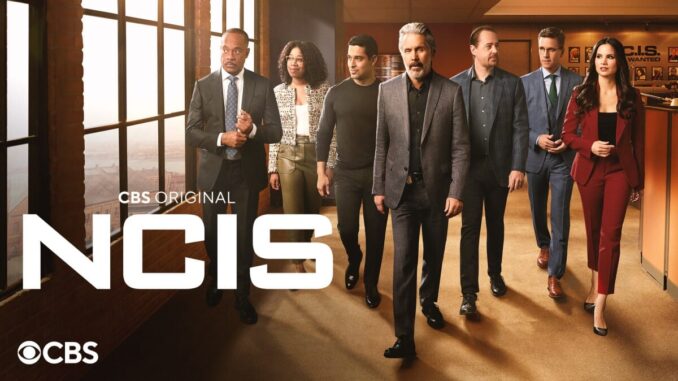
For nearly two decades, one name defined the soul of NCIS: Gibbs. The quiet intensity, the unspoken rules, the signature stare—everything revolved around the legendary character played by Mark Harmon. But now, in a move that feels both risky and inevitable, CBS has officially broken away from the long-standing Gibbs-centered formula.
And here’s the twist—it might be the best decision the franchise has ever made.
Let’s dive into why this shift is happening, what it means for the future of NCIS, and why fans might actually fall in love with the show all over again.
The Gibbs Era: A Legacy That Defined NCIS
The Backbone of the Franchise
From the very beginning, Leroy Jethro Gibbs wasn’t just a character—he was the foundation. His leadership style, moral code, and mysterious past turned him into one of television’s most iconic figures.
He was the glue. The anchor. The compass.
Without him, many believed NCIS simply couldn’t function.
Why Gibbs Worked So Well
Gibbs wasn’t flashy. He didn’t need to be. His power came from restraint. While other TV leads leaned into charisma, Gibbs leaned into silence—and somehow said more with a glance than others did with monologues.
That’s rare. That’s lightning in a bottle.
The Problem With Staying the Same Too Long
Familiarity vs. Fatigue
Here’s the truth most fans don’t want to admit: even the best formulas can grow stale.
After 20+ seasons, the “Gibbs way” started to feel predictable. The cases changed, but the structure didn’t. It was like listening to your favorite song on repeat—it still sounds good, but the magic fades.
The Risk of Creative Stagnation
Long-running shows often face a brutal dilemma: evolve or fade.
By holding onto the Gibbs-centric model for so long, NCIS risked becoming a relic instead of a powerhouse.
And in today’s fast-moving TV landscape, that’s a dangerous place to be.
CBS Makes the Bold Move
Breaking the Gibbs Formula
Instead of clinging to nostalgia, CBS did something unexpected—they let go.
Rather than trying to replace Gibbs with a copycat character, the show began shifting toward a more ensemble-driven storytelling approach.
That’s a massive change.
Why Timing Matters
Here’s the key: CBS didn’t act too early or too late.
They waited until the audience was ready.
Fans had time to process Gibbs’ departure. The emotional attachment softened just enough to allow something new to grow.
That’s strategic storytelling at its finest.
A New Era for NCIS
From One Leader to Many Voices
The new NCIS doesn’t revolve around a single dominant figure. Instead, it embraces a team dynamic where each character contributes equally.
It’s less about authority—and more about collaboration.
Fresh Characters, Fresh Energy
New personalities bring new conflicts, humor, and perspectives. The show feels lighter, faster, and more unpredictable.
And honestly? That unpredictability is exciting.
Fans Are Surprisingly On Board
Emotional Closure Matters
Gibbs didn’t just disappear—his exit was meaningful. It gave fans closure, which made it easier to accept change.
Without that, the backlash could’ve been brutal.
Curiosity Beats Resistance
At first, fans were skeptical. But curiosity is a powerful force.
“What happens next?” became stronger than “I miss Gibbs.”
And just like that, the show had its hook again.
The Evolution of Crime Dramas
Audience Expectations Have Changed
Modern viewers crave complexity. They want layered characters, evolving storylines, and emotional depth.
The old “case-of-the-week + Gibbs wisdom” formula wasn’t enough anymore.
Competing in a Crowded Market
With streaming platforms delivering bold, cinematic storytelling, traditional TV had to step up.
CBS knew that sticking to the past wasn’t an option.
Smart Storytelling Decisions That Paid Off
Letting Characters Grow
Without Gibbs overshadowing every scene, other characters finally have room to breathe.
We see their flaws. Their struggles. Their growth.
And that makes the show feel more human.
Expanding the Narrative Scope
The new NCIS isn’t just about solving crimes—it’s about the people solving them.
That shift adds emotional weight and long-term engagement.
The Psychology Behind the Shift
Why Change Feels Uncomfortable
Humans love routine. We cling to what’s familiar—even if it’s no longer exciting.
That’s why breaking the Gibbs trend felt risky.
Why Change Is Necessary
But growth? It only happens when you step into the unknown.
CBS understood this—and leaned into it.
What This Means for the Future of NCIS
Longevity Through Reinvention
By evolving, NCIS has given itself a second life.
It’s no longer tied to one character’s legacy—it’s building a new one.
Opportunities for Spin-Offs and Expansion
A more flexible format opens the door for crossovers, spin-offs, and fresh storytelling angles.
In other words, the universe just got bigger.
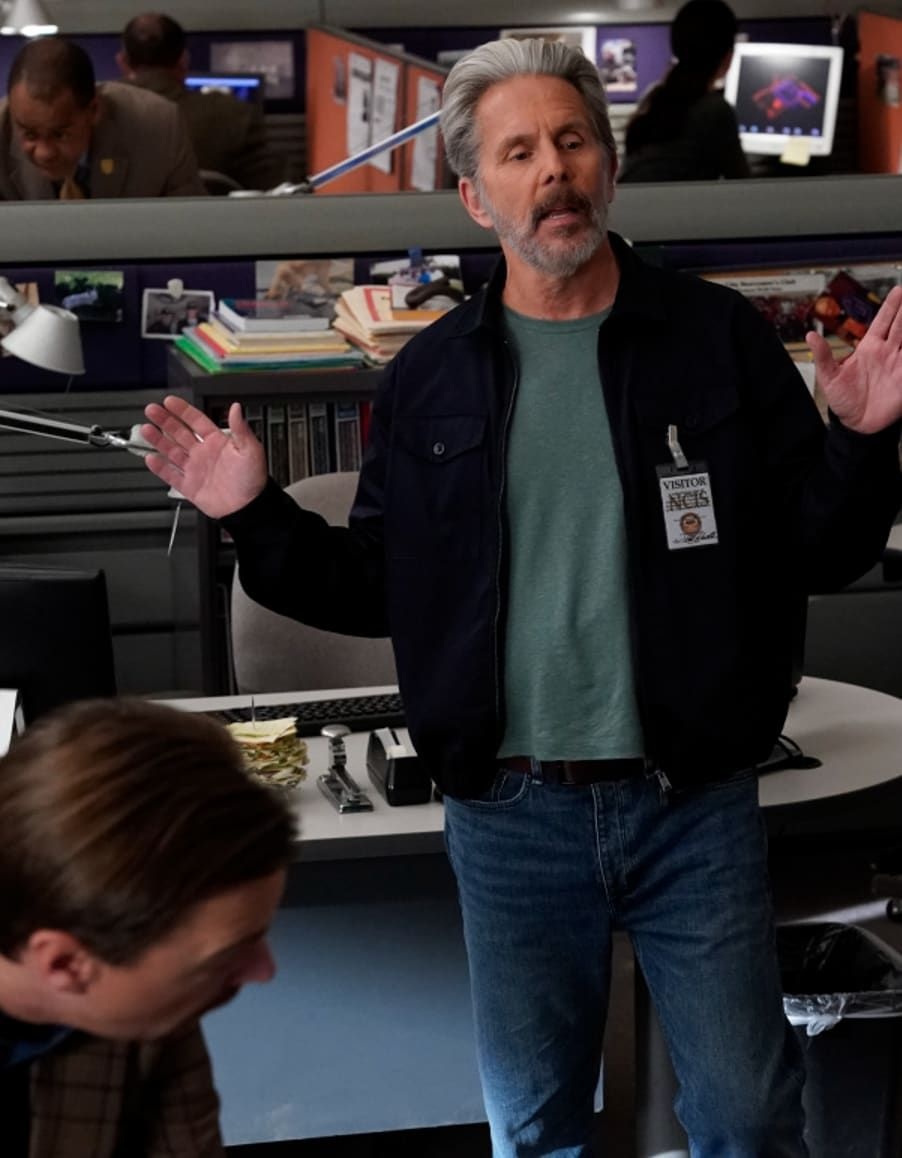
Lessons Other TV Shows Can Learn
Don’t Wait Too Long to Change
Timing is everything. Wait too long, and your audience disappears.
Move too soon, and you lose emotional investment.
NCIS hit the sweet spot.
Respect the Past, But Don’t Live in It
Honoring Gibbs doesn’t mean imitating him forever.
Sometimes, the best tribute is evolution.
Is This the Best Version of NCIS Yet?
That’s the million-dollar question.
Some fans will always prefer the Gibbs era—and that’s fair.
But others? They’re discovering a new version of NCIS that feels fresh, relevant, and surprisingly addictive.
And maybe—just maybe—that’s exactly what the show needed.
Conclusion: A Risk That Redefines a Legacy
Breaking away from Gibbs wasn’t just a creative decision—it was a survival strategy.
By letting go of what once defined it, NCIS has opened the door to something bigger, bolder, and more dynamic.
And here’s the irony: by moving beyond Gibbs, the show may have finally honored his legacy in the most powerful way possible—by refusing to stand still.