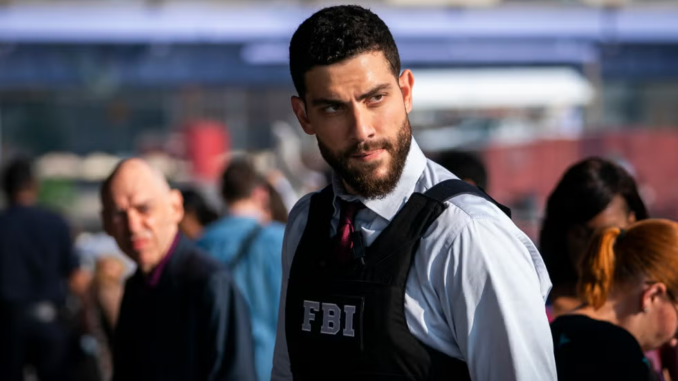
The latest episode of the hit CBS procedural FBI has sent shockwaves through the fan community, delivering a narrative pivot that fundamentally alters the trajectory for Special Agent Omar Adom OA Zidan. For several seasons, OA has been portrayed as the steady, principled anchor of the New York field office, a man whose military background and deep-seated sense of justice provided a reliable foil to the often-chaotic world of federal investigations. However, the most recent hour of television has stripped away that layer of perceived invulnerability, forcing OA into a moral and professional crisis that changes everything we thought we knew about his future within the bureau.
The episode began with what appeared to be a standard counter-terrorism operation, but it quickly spiraled into a deeply personal confrontation with OA’s past. When a high-value target from his days in undercover military intelligence resurfaced on American soil, the boundaries between OA’s previous life and his current role as an FBI agent began to blur. Unlike previous episodes where he could lean on his partner, Maggie Bell, for emotional support, this latest development forced him into a position of isolation. The secrecy required by his former handlers meant that for the first time, OA was operating in the shadows of his own office, hiding crucial information from Isobel Castille and the rest of the team.
This shift in OA’s behavior provided Zeeko Zaki with his most challenging material to date. We saw a version of OA that was frantic, compromised, and increasingly desperate. The cool-headed professional who usually coordinates raids with surgical precision was replaced by a man haunted by the ghosts of a mission he thought was buried years ago. The central conflict revolved around a choice that no agent should ever have to make: protecting the integrity of a classified military operation or preventing a domestic tragedy that was unfolding in real-time. By choosing to prioritize the immediate safety of New York over the demands of his former commanders, OA has effectively burned his bridges with the intelligence community, a move that will undoubtedly have long-term consequences for his career.
The fallout from this decision was immediate and visceral. The tension between OA and Maggie reached a breaking point during the episode’s climax, as she realized the extent of the secrets he had been keeping. Their partnership, which has always been built on a foundation of absolute transparency, is now fractured. While they managed to neutralize the threat, the trust that allowed them to operate as a singular unit has been compromised. Fans are now left wondering if the duo can ever truly return to their previous dynamic or if this is the beginning of a permanent rift that could see OA seeking a transfer or a different path entirely within the Department of Justice.
Furthermore, the episode hinted at a darker side of the FBI’s internal politics. The way the bureau leadership handled OA’s conflict suggested that he might be viewed as a liability rather than an asset in the wake of this mission. The closing scenes featured a chilling conversation between Isobel and a high-ranking official from Washington, hinting that OA is now under a microscope. This introduces a layer of paranoia to the show that feels fresh and urgent. OA is no longer just fighting criminals; he is fighting for his professional survival against a system that values protocol over personal sacrifice.
The emotional weight of the episode was compounded by the revelation of a secret OA had been keeping regarding his family’s safety. It turns out that his reluctance to share information wasn’t just about military NDAs, but about protecting his loved ones from a retaliatory strike. This added dimension makes his actions more sympathetic but no less dangerous. It humanizes a character who is often seen as the perfect soldier, showing that even the strongest agents have a breaking point when those they love are in the crosshairs.
As the series moves forward into the latter half of the season, the “new” OA Zidan is likely to be a much more complex and perhaps more cynical figure. The idealistic agent who believed that the system would always have his back has been replaced by a man who understands the cold reality of being a cog in a much larger machine. This evolution is a necessary step for the character, providing a wealth of storytelling opportunities that move beyond the “case of the week” format.
Everything has changed for OA Zidan, and the fans are strapped in for the ride. The show has successfully raised the stakes to an atmospheric level, proving that even after several years on the air, it can still deliver a game-changing hour of television. The question now isn’t just whether OA can catch the bad guys, but whether he can survive the fallout of his own bravery.