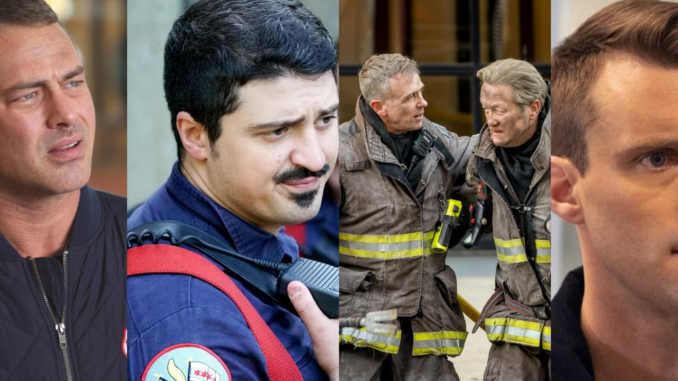
The rain-slicked streets of the Windy City have always provided a somber backdrop for the emotional high-stakes drama of Firehouse 51, but the latest installment of Chicago Fire has pushed the boundaries of heartbreak to a level that has left the global fanbase in collective mourning. In an hour of television that masterfully transitioned from high-octane rescue action to a devastating personal tragedy, the series proved once again why it remains the emotional anchor of the One Chicago universe. The episode, which focused on a catastrophic multi-vehicle collision and its lingering aftermath, delivered a narrative blow so profound that social media platforms were flooded with tributes and tearful reactions within minutes of the broadcast.
The Calm Before the Storm at 51
The episode began with the familiar, comforting rhythm of life at the firehouse. We saw Christopher Herrmann joking with the newer candidates and Stella Kidd coordinating the morning drills with her signature blend of toughness and empathy. This deliberate pacing allowed the audience to feel the warmth of the 51 family, making the sudden wail of the sirens feel even more jarring. The call was for a massive pile-up on the Kennedy Expressway involving a passenger bus and several private vehicles, a scenario that every first responder in Chicago treats as a worst-case event. As Truck 81 and Engine 51 rolled out, the atmosphere shifted from camaraderie to a clinical, focused intensity.
The technical execution of the rescue sequence was a masterclass in visceral storytelling. Utilizing handheld cameras and a sound design that emphasized the screeching of metal and the roar of the wind, the production team placed the viewer directly in the center of the carnage. Kelly Severide and the Squad 3 team were forced to perform a high-risk extraction under a precariously balanced trailer, while the paramedics handled a mounting casualty count. However, the true shocker for the audience wasn’t the scale of the accident, but a split-second decision that placed one of our own in the direct line of fire.
A Sacrifice That Shattered the Firehouse
The moment that left fans in tears involved a veteran member of the crew who noticed a secondary hazard—a leaking fuel line near an trapped family—that everyone else had missed in the chaos. Without hesitation, this beloved firefighter moved to shield the victims as a flash fire erupted. While the rescue was ultimately successful, the cost was staggeringly high. The scenes at Chicago Med that followed were some of the most gut-wrenching in the show’s history. Seeing the usually stoic Wallace Boden standing in the hospital waiting room, his helmet clutched in his hands, served as a haunting visual of the heavy toll this profession demands.
What made this episode particularly devastating was the way the writers handled the finality of the situation. There were no miracle recoveries or last-minute reprieves. Instead, the audience was forced to sit with the grief of the characters. The silence in the firehouse during the post-shift cleanup was more powerful than any dialogue could have been. We saw Sylvie Brett and Violet Mikami quietly restocking the ambulance, their movements robotic and heavy with the weight of the day’s loss. This focus on the psychological aftermath of a tragedy is what sets Chicago Fire apart from standard procedurals; it honors the reality that for every life saved, there is often a scar left behind.
Why the One Chicago Fanbase is Reeling
The reason for the massive digital engagement surrounding this episode is the deep, decade-long investment viewers have in these characters. They aren’t just names on a script; they are a family that the audience has grown up with. The “shocker” of a permanent exit or a life-altering injury feels like a personal loss to a community that has stayed the course through every high-rise inferno and personal betrayal. The reaction across platforms like X and TikTok has been a mix of protective anger and genuine sorrow, with fans sharing their favorite memories of the character involved.
The technical quality of the cinematography in the final act—using soft, muted tones and long, lingering shots of the empty locker—created a cinematic intimacy that was impossible to ignore. By leaning into the tragedy, the network is ensuring that the 2026 season remains the most talked-about in the franchise’s history. This episode serves as a reminder that in the world of the CFD, the mountain always has the final say, and the price of heroism is often higher than anyone is prepared to pay.
The Legacy of a Heartbreaking Hour
As we look toward the next chapter for Firehouse 51, the buzz remains centered on how the team will find the strength to keep rolling. The bells will ring again, the trucks will idle in the bay, and the mission will continue, but the heart of the station has been permanently altered. The blue sky of Chicago is shadowed by the events of this episode, and for the fans who witnessed it, the world of the Windy City will never feel quite the same.
The mission is ongoing, the stakes have never been more personal, and for the heroes of 51, the road to recovery will be a long one. The sirens are a constant reminder of the danger, but the brotherhood and sisterhood of the firehouse are what will eventually lead them out of the dark. The tears of the fans are a testament to the power of the storytelling, and as the smoke clears, the legacy of this tragic episode will be felt for seasons to come.