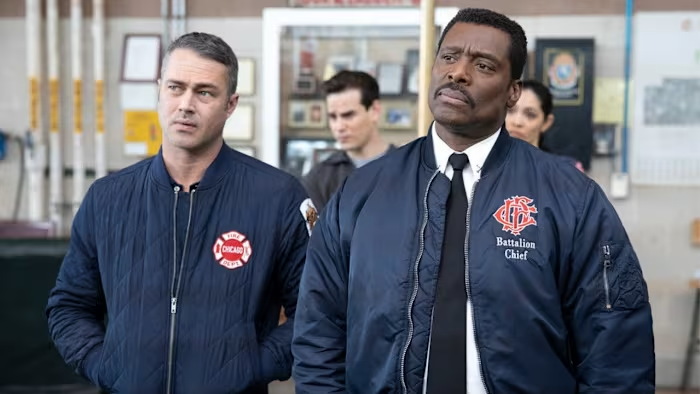
The siren’s wail has always been the heartbeat of Chicago Fire, but the latest developments in the halls of Firehouse 51 have escalated from a rhythmic pulse to a frantic alarm. As the long-running NBC drama continues to dominate Wednesday nights, a recent narrative pivot has placed the beloved crew of Truck 81, Squad 3, and Ambulance 61 in the crosshairs of a catastrophe so immense it is being hailed as the most dangerous day in the history of the series. While the show has never been a stranger to skyscraper blazes or multi-vehicle pileups on the Kennedy Expressway, this specific event transcends the typical procedural emergency, threatening to permanently alter the landscape of the firehouse and the lives of those who call it home.
The brilliance of Chicago Fire lies in its ability to balance the technical spectacle of firefighting with the deep, often messy human emotions of its ensemble cast. However, in this latest shocker, the boundary between professional duty and personal survival has completely evaporated. The episode in question centers on a massive industrial accident that quickly spirals out of control, trapping several core members of the team within a structure that is structurally unsound and filled with volatile chemicals. What makes this particular disaster feel different from previous season finales is the palpable sense of vulnerability radiating from veteran characters like Kelly Severide and Christopher Herrmann. Even for these seasoned heroes, the sheer scale of the chaos feels insurmountable, creating a level of tension that has fans gripped by a collective sense of dread.
From a storytelling perspective, the writers have chosen to strip away the safety nets that usually protect the protagonists. Usually, a rescue mission follows a predictable trajectory of tension followed by a heroic breakthrough. But in this darkest hour, every tactical decision seems to lead to a more dire complication. The isolation of the trapped team members forces the remaining crew outside to operate with a level of desperation that is raw and visceral. Seeing the usually unflappable Stella Kidd forced to make split-second choices that could result in the loss of her colleagues—or her husband—adds a layer of psychological horror to the physical danger. This shift toward a more high-stakes, “no-win” scenario is a bold move that revitalizes the series in its later seasons, proving that the fires in Chicago are still capable of burning with unpredictable ferocity.
Furthermore, the impact of this dangerous day is expected to ripple through the firehouse for the remainder of the season. In the aftermath of such an intense trauma, the brotherhood and sisterhood of 51 will be tested like never before. The physical injuries sustained in the field are often easier to heal than the emotional scars left by a near-death experience. We are likely to see a shift in the leadership dynamics as the survivors grapple with survivor’s guilt and the realization that their luck might finally be running out. This narrative choice allows the actors to explore deeper, more somber territory, moving away from the lighthearted banter of the common room to a more grounded exploration of the toll this profession takes on the human soul.
The technical execution of the episode also deserves recognition, as the production team utilized advanced practical effects and claustrophobic cinematography to immerse the audience in the heat of the moment. You can almost feel the temperature rising through the screen as the smoke thickens and the structural integrity of the building fails. It is this commitment to realism that has kept Chicago Fire at the top of the ratings for over a decade. By raising the bar for what a “dangerous day” looks like, the showrunners have sent a clear message: in Edgewater and the windy city alike, no one is safe, and the cost of heroism is higher than ever.
As the smoke clears and the characters begin the long process of recovery, the fans are left to speculate on who will truly be the same after the dust settles. Will this event lead to early retirements, or will it forge a new, even more resilient bond among the survivors? The uncertainty is exactly what makes the show so addictive. By placing Firehouse 51 in the middle of an unprecedented crisis, Chicago Fire has successfully reminded the world why it is the flagship of the One Chicago franchise. The stakes have been raised, the heart of the team has been bruised, and the future of the house remains as flickering and uncertain as a flame in a storm.
One thing is certain: after this explosive chapter, the residents of 51 will never look at a routine call the same way again. The danger was real, the losses were felt, and the resilience of Chicago’s bravest was pushed to the absolute breaking point. As we look toward the next episode, the audience remains on high alert, knowing that in this world, the most dangerous day is often just a prelude to an even greater challenge.