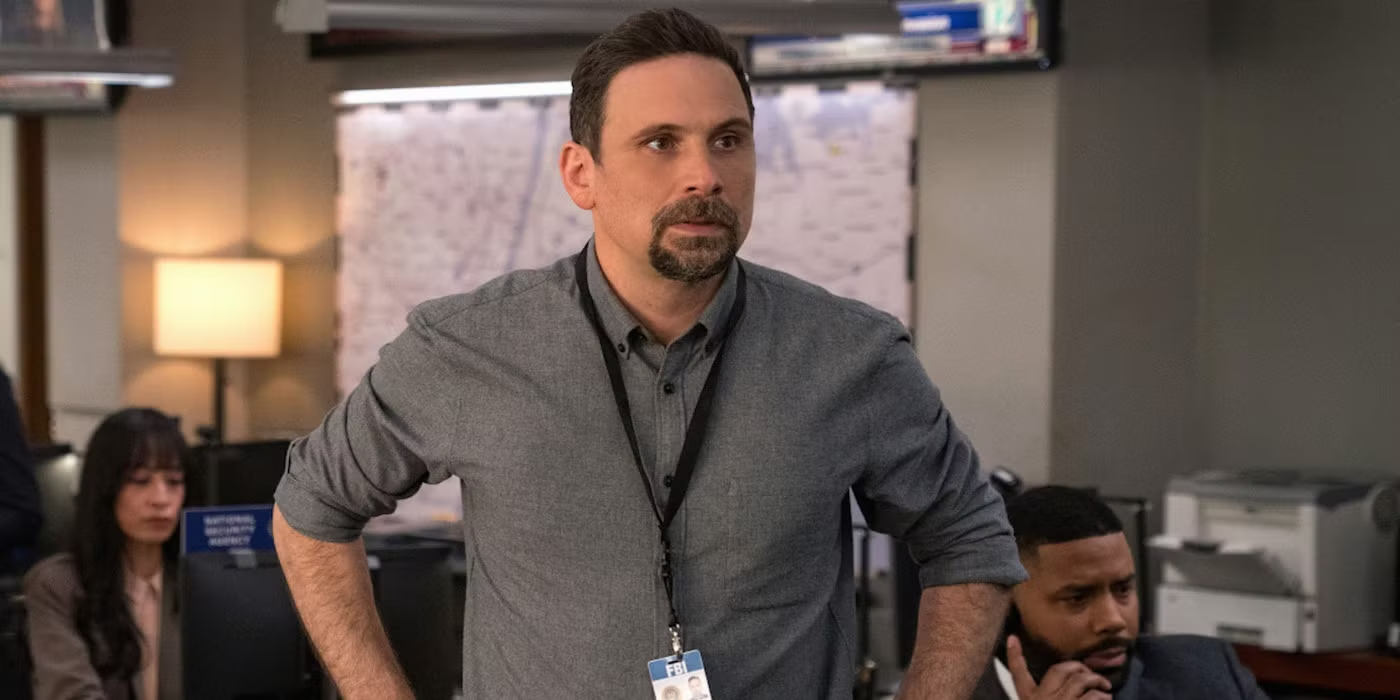
The high-stakes environment of the New York Federal Bureau of Investigation has always relied on a singular point of stability amidst the chaos of national security threats and tactical emergencies. That anchor is Assistant Special Agent in Charge Jubal Valentine, portrayed with a relentless, caffeinated energy by the veteran actor Jeremy Sisto. However, the latest narrative arc in the hit CBS procedural FBI has seen Jubal enter a state of total crisis mode, leaving fans and the fictional team alike wondering if even his legendary composure is enough to steer the ship through its most treacherous waters yet. As the pressure mounts from both the Department of Justice and a sophisticated new criminal element, the question at the center of the series has become deeply personal: Can Jubal save his team, or is the weight of his own history finally going to pull him under?
Jeremy Sisto has long been the unsung hero of the series, operating primarily from the Joint Operations Center where he orchestrates the movements of field agents like Maggie Bell and OA Zidan. Jubal is the man who translates raw data into life-saving action, but the recent episodes have seen him stripped of his professional detachment. The writers have cleverly woven a storyline that intersects a massive cyber-terrorism threat with Jubal’s own past struggles, creating a psychological minefield that Jeremy Sisto navigates with breathtaking intensity. This crisis mode isn’t just about a ticking clock on a computer screen; it is about a leader who is beginning to doubt his own instincts for the first time in his career.
What makes this specific development so compelling is the way Jeremy Sisto portrays Jubal’s vulnerability. We are seeing a man who is physically and mentally exhausted, yet refuses to step away from the monitors. The jittery, fast-talking persona that usually signals a high-functioning expert has morphed into something more frantic, suggesting a man on the edge of a breakdown. By placing Jubal in this position, the show is exploring the hidden toll of leadership in a post-9/11 world where the margin for error is zero. When Jubal enters the bullpen now, the air feels heavier, and the typical banter has been replaced by a grim realization that their commander might be as compromised as the systems he is trying to protect.
The internal dynamics of the FBI office are also shifting as the team observes Jubal’s downward spiral. Characters who usually look to him for absolute certainty are now forced to question his commands, creating a fascinating layer of friction within the hierarchy. This conflict allows Jeremy Sisto to showcase a more defensive, raw side of Jubal—a man who knows he is struggling but feels he is the only one capable of stopping the impending disaster. The chemistry between Sisto and Alana De La Garza, who plays Special Agent in Charge Isobel Castille, has never been more vital. Their scenes together are now a high-stakes tug-of-war between professional duty and personal concern, highlighting the isolation that comes with high-level command.
Furthermore, the current crisis mode serves as a powerful reminder of Jubal’s personal stakes, including his role as a father and his history of recovery. In the past, the show has touched upon how his job interferes with his personal life, but never with this level of visceral impact. As the current case threatens to leak into his private world, the walls Jubal built to separate the two are crumbling. Jeremy Sisto excels in these moments, using subtle physical cues to show the audience that Jubal is fighting a war on two fronts. It is a masterclass in acting that proves that the most intense battles in a procedural drama don’t always require a gunfight; sometimes, they are fought in the quiet, neon-lit glow of a command center.
As the season progresses toward a likely explosive finale, the tension surrounding Jubal’s leadership will only intensify. The showrunners have successfully created a scenario where the biggest threat to the FBI’s New York office might not be a foreign operative or a domestic cell, but the burnout of its most essential leader. If Jubal fails, the infrastructure of the entire team collapses, leaving Maggie, OA, and the others without their tactical North Star. This sense of impending doom has revitalized the series, making every briefing feel like a potential turning point in the character’s legacy.
For the audience, watching Jeremy Sisto navigate this crisis is a testament to why FBI remains a top-tier drama. It balances the adrenaline of a manhunt with the heart-wrenching reality of human limits. Whether Jubal Valentine can pull off one more miracle remains to be seen, but one thing is certain: he has never been more human, and the stakes have never been more real. In Edgewater and beyond, the fans are leaning in, hoping that their leader finds his footing before the final embers of this crisis consume everything he has worked to build.