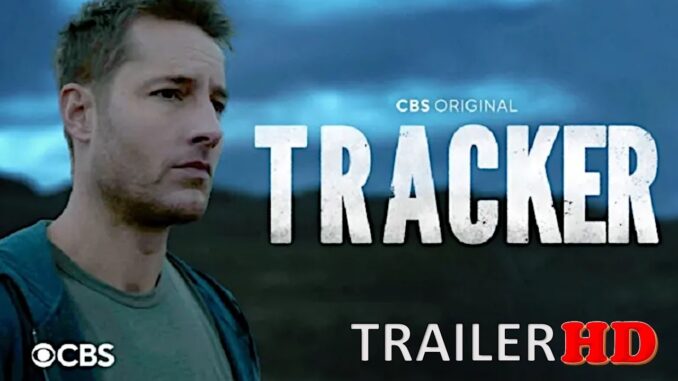
The Unstoppable Rise of a TV Phenomenon
If you’ve been anywhere near a TV—or honestly, just scrolling social media—you’ve probably heard about Tracker. It’s everywhere. Trending. Climbing. Dominating.
And the numbers? They don’t lie.
The hit series on CBS has quietly become one of the biggest success stories of modern television. Week after week, it pulls in massive audiences, outperforming expectations and crushing competitors.
But here’s the thing no one saw coming…
There’s a twist behind the success—and it’s starting to raise eyebrows.
What Makes Tracker So Addictive?
A Simple Concept Done Brilliantly
At its core, Tracker isn’t overly complicated. It follows a lone-wolf survivalist who uses his skills to track down missing people for rewards.
Sounds straightforward, right?
But that simplicity is exactly what makes it powerful.
It taps into something primal—our fascination with survival, mystery, and the idea of one person against the world.
The Star Power Factor
Let’s talk about Justin Hartley.
His presence alone pulls in viewers. Known for emotionally layered performances, he brings depth to a character that could’ve easily felt one-dimensional.
Instead, we get a protagonist who feels real—flawed, haunted, and relentlessly driven.
And audiences love that.
Episodic Yet Emotional
Each episode tells a contained story, making it easy to jump in at any point. But underneath? There’s a slow-burning emotional arc.
It’s like comfort food… with a hidden spice.
The Ratings Explosion No One Predicted
From Quiet Debut to Massive Hit
When Tracker first premiered, expectations were… modest.
No massive hype. No overwhelming buzz.
But then something interesting happened.
Viewers stayed.
And more importantly—they came back.
Word-of-Mouth Took Over
Forget expensive marketing campaigns.
Tracker grew the old-school way: people telling people.
“Hey, you need to watch this.”
And suddenly, it wasn’t just a show—it was a conversation.
Dominating Its Time Slot
Week after week, Tracker began outperforming other major shows.
It didn’t just win—it dominated.
And that’s where things get interesting…
The Twist Nobody Expected
Success… With a Catch
You’d think universal success would mean universal praise.
But here’s the twist:
Not everyone is happy.
The Formula Debate
Some critics—and even fans—are starting to notice a pattern.
Each episode follows a similar structure:
- A missing person
- A trail of clues
- A tense chase
- A dramatic resolution
Sound familiar?
That’s because it is.
While the formula works, some argue it’s becoming predictable.
Is Predictability a Strength or Weakness?
Here’s the million-dollar question:
Do viewers actually want something different?
Or is the consistency exactly why they keep tuning in?
It’s like your favorite meal—you know what it tastes like, but you still crave it.
Fan Reactions Are Surprisingly Divided
The Loyal Fans
A huge portion of the audience is completely hooked.
They love the pacing. The character. The emotional stakes.
For them, Tracker is exactly what TV should be.
The Critics’ Concerns
Others? Not so much.
Some viewers feel the show plays it too safe.
They want bigger risks. More surprises. Deeper twists.
Ironically, for a show about tracking the unknown… it’s starting to feel very familiar.
The Streaming Effect — A Hidden Advantage
Binge-Worthy by Design
Even though it airs weekly, Tracker thrives on streaming platforms.
Why?
Because it’s easy to binge.
One episode turns into three… then five… then suddenly your entire weekend is gone.
Accessibility Drives Growth
New viewers can jump in anytime without feeling lost.
That’s a rare superpower in today’s complex TV landscape.
The Psychology Behind Its Success
Humans Love Resolution
Each episode offers closure.
In a world full of uncertainty, that’s incredibly satisfying.
The Lone Hero Archetype
We’re wired to root for the outsider.
The lone tracker navigating chaos? That hits deep.
It’s modern storytelling with ancient roots.

Could the Twist Become a Problem?
The Risk of Repetition
Even the best formula can wear thin.
If the show doesn’t evolve, it risks losing the very audience it built.
The Pressure to Innovate
Success brings expectations.
Now that Tracker is on top, the question isn’t “Can it succeed?”
It’s “Can it stay there?”
What the Future Holds for Tracker
Potential Story Expansions
There’s room to grow:
- Deeper backstories
- Longer arcs
- Unexpected character developments
The foundation is strong—it just needs layering.
The Opportunity for Bigger Twists
Imagine a season-long mystery.
Or a case that doesn’t get solved.
That’s the kind of shake-up that could redefine the show.
Why Everyone Is Still Watching Anyway
Because at the end of the day?
It works.
Despite the criticisms, despite the predictable beats—Tracker delivers.
Every. Single. Time.
AThe Real Twist — It Might Not Matter
Here’s the irony:
The “problem” might actually be the reason for its success.
Predictability isn’t always bad.
Sometimes, it’s exactly what people want.
Final Thoughts — A Hit With a Hidden Dilemma
Tracker is a powerhouse. There’s no denying it.
But beneath the soaring ratings lies a quiet tension:
- Stay the same and risk stagnation
- Change too much and risk losing fans
It’s a delicate balance.
And honestly? That’s what makes this story so fascinating.
Because the biggest mystery isn’t in the episodes…
It’s what happens next.
Conclusion
Tracker has done what many shows fail to do—it captured attention and held onto it. With strong performances, an addictive structure, and a loyal fanbase, it’s dominating ratings like a true heavyweight. But the unexpected twist lies in its very formula, sparking debate about whether consistency is its greatest strength or its looming weakness. As the show moves forward, all eyes are on how it evolves. Will it play it safe or take bold risks? Either way, one thing is certain—people aren’t done watching.