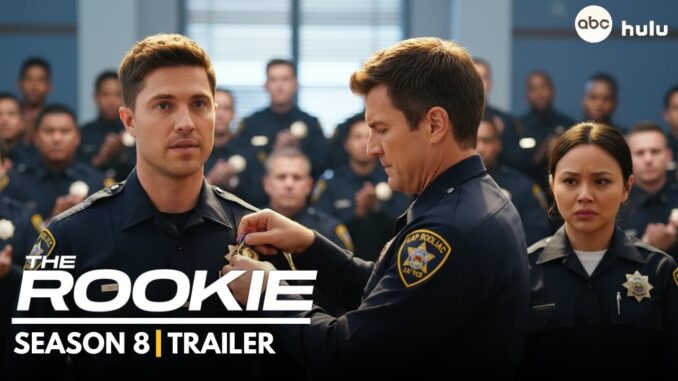
A Subtle Shift Fans Are Only Just Beginning to Notice
For years, one of the defining elements of the long-running police drama The Rookie was its consistent storytelling structure. Viewers knew what to expect each week: a patrol-based narrative centered on training officers, real-time problem solving, and the everyday unpredictability of life on the streets. The formula worked. It grounded the series in realism while allowing characters to grow gradually within a clearly defined system.
However, recent episodes suggest that the show may have quietly adjusted one of its most recognizable rules. It wasn’t announced in trailers, interviews, or promotional materials. Instead, it appeared subtly, woven into the storytelling in ways that only longtime viewers might recognize. The change may seem small at first glance, but it could represent one of the biggest structural evolutions the series has undertaken since its debut.
The Rule That Once Defined the Series
From the beginning, The Rookie built its identity around a simple premise: follow new police officers as they learn the job step by step under the guidance of experienced training officers. This structure gave the series its title and its emotional core. The audience wasn’t just watching police officers solving crimes; they were watching people grow into the role.
Each episode typically emphasized the learning process. Mistakes were part of the journey. Training officers corrected them, lessons were reinforced, and the rookies slowly earned their place in the department. The show’s narrative rhythm reflected that approach. Storylines often revolved around a specific teaching moment—sometimes procedural, sometimes moral, sometimes deeply personal.
For several seasons, this rule shaped nearly every storyline. Even when the series expanded to include larger investigations or more dramatic events, the focus consistently returned to the rookies and their development. It was a storytelling anchor that helped the series maintain its identity in a crowded field of police dramas.
A Gradual Evolution of the Characters
As the show progressed, however, the characters naturally began to evolve beyond the “rookie” phase. Promotions, new assignments, and expanded responsibilities slowly shifted the dynamic within the department. Some characters moved into leadership roles. Others began mentoring new officers themselves.
This transformation was inevitable for a series that had been on the air for multiple seasons. Yet it also raised an interesting challenge: how could the show remain The Rookie when many of its original rookies were no longer rookies at all?
The writers seemed aware of this tension. Instead of dramatically reinventing the series overnight, they chose a slower, more organic transition. Storylines gradually expanded beyond training exercises and day-to-day patrol duties. Larger investigations, cross-department collaborations, and more complex character arcs began appearing more frequently.
The Quiet Change in Storytelling
The latest episodes hint that the show may have finally crossed a threshold. The traditional “lesson of the day” format—once central to the narrative—appears less prominent. Instead, the story often unfolds through broader arcs that stretch across multiple episodes, focusing on the department as a whole rather than strictly on the rookie experience.
This doesn’t mean the educational element has disappeared entirely. The spirit of mentorship remains present, but it now exists within a larger narrative framework. Rather than highlighting the mistakes of inexperienced officers, the show increasingly explores the pressures of leadership, decision-making, and responsibility.
For longtime viewers, the shift may feel almost invisible at first. Yet when looking closely at recent storylines, it becomes clear that the series is operating under slightly different storytelling rules than it once did. The emphasis has moved from “learning the job” to “carrying the weight of the job.”
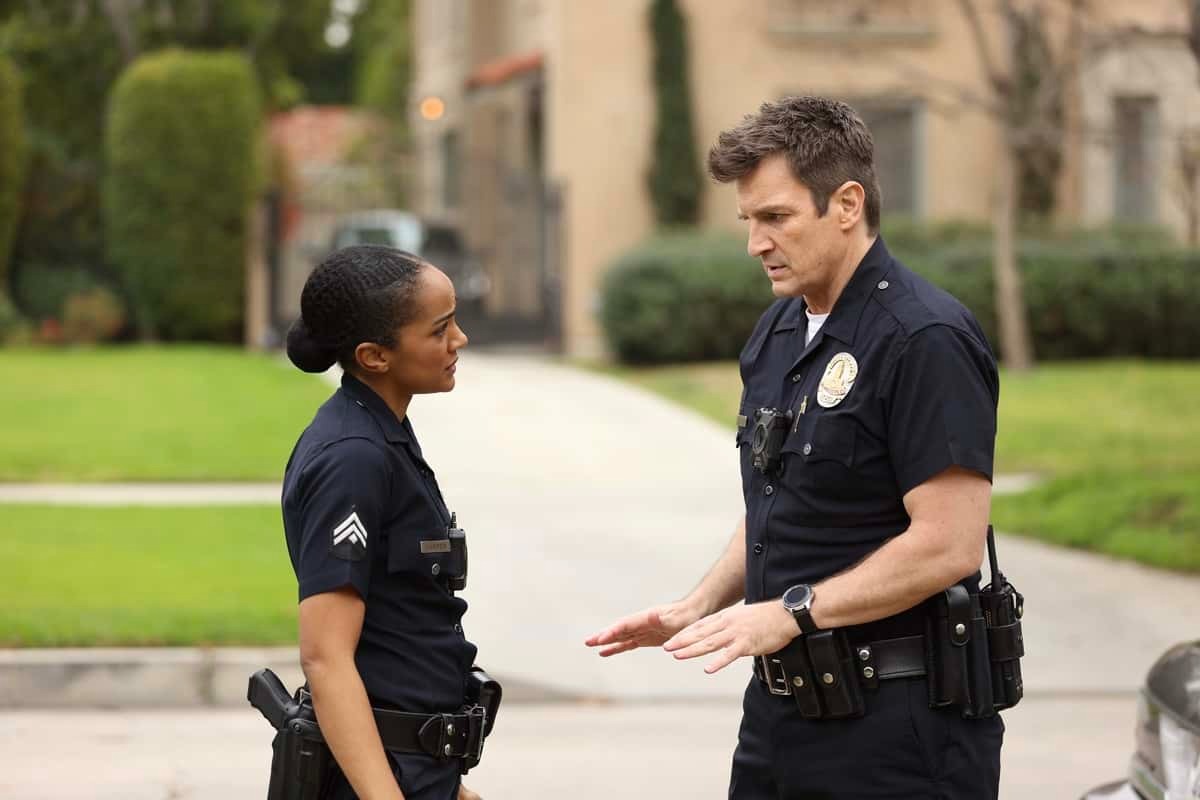
Why the Change Makes Sense Now
In many ways, this evolution reflects the natural lifecycle of the characters. The people audiences met in the first season have grown significantly. Their confidence, experience, and authority within the department have changed the dynamics of every interaction.
Continuing to frame them strictly as rookies would eventually feel unrealistic. By allowing the narrative to expand beyond that original framework, the series acknowledges the passage of time while preserving the emotional connections that viewers have built with the characters.
At the same time, the shift opens the door for new storytelling possibilities. Leadership conflicts, mentorship dilemmas, and high-stakes decisions provide dramatic tension that feels fresh while still fitting the show’s core themes.
Balancing Tradition and Reinvention
One of the biggest challenges for any long-running television drama is maintaining a balance between familiarity and innovation. Change too little, and the show risks becoming repetitive. Change too much, and it may lose the identity that made audiences fall in love with it in the first place.
The Rookie appears to be navigating this balance carefully. The tone, humor, and character relationships that define the series remain intact. The streets of Los Angeles are still the backdrop for the action, and the emotional heart of the show still lies in the camaraderie among the officers.
What’s changing is the perspective. The characters are no longer just learning how to survive the job—they are shaping what the job means for others. In a subtle but meaningful way, the rookies have become the mentors.
What This Means for the Future of the Show
If this new storytelling direction continues, it could mark an important new era for the series. Rather than being confined to the original premise, the show now has room to explore broader themes about responsibility, legacy, and the evolving nature of law enforcement careers.
New characters can still arrive as rookies, keeping the title relevant while allowing veteran characters to guide the next generation. This layered structure could provide the best of both worlds: fresh perspectives alongside the familiarity of beloved long-time characters.
For fans, the quiet rule change may ultimately feel less like a departure and more like a natural progression. After all, growth has always been at the center of The Rookie. The difference now is that the growth extends beyond individuals—it’s shaping the entire narrative structure of the show.
A Transformation Hiding in Plain Sight
Television rarely changes overnight. More often, it evolves through small creative decisions that accumulate over time. What makes this particular shift fascinating is how quietly it has occurred. There was no dramatic announcement, no clear dividing line between “before” and “after.”
Yet the impact may be significant. By subtly redefining the rule that once guided its storytelling, The Rookie is demonstrating that even long-established formulas can adapt.
For viewers who have followed the journey from the very beginning, the transformation is a reminder that the show—much like its characters—is still learning, still growing, and still finding new ways to tell its story.
And if the latest episodes are any indication, the next chapter may be one of the most interesting yet.