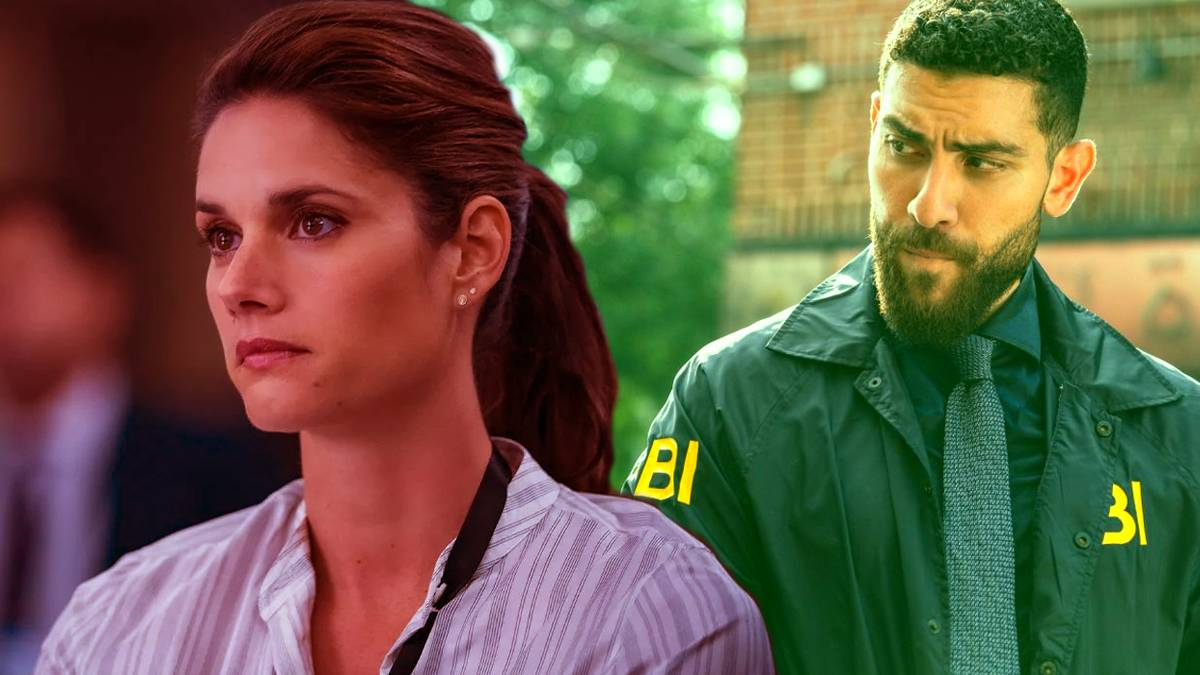
The architectural strength of the Dick Wolf universe has always been its ability to combine high-stakes national security threats with the deeply personal lives of those who protect the front lines. As the 2026 television season kicks off, the flagship series of the FBI franchise returns for a landmark Season 9, bringing back the formidable partnership of Maggie Bell and Omar Adom OA Zidan. For fans of the gritty, character-driven storytelling seen in the One Chicago franchise, the return of these two agents represents a masterclass in the procedural genre. After years of facing everything from chemical attacks to international terrorist cells, Season 9 promises to push this duo into uncharted territory where the dangers are not just external, but deeply rooted in the moral complexities of a changing world.
Maggie Bell, portrayed with an unshakable core of empathy and strength by Missy Peregrym, enters the new season as a veteran agent who has survived more than her fair share of trauma. Her evolution from a grieving widow to a premier investigator has been one of the most rewarding arcs in the franchise. In Season 9, Maggie faces a series of cases that challenge her legendary compass. When a domestic extremist group begins targeting civilian infrastructure with surgical precision, Maggie must navigate the thin line between the law and the desperate need for immediate results. Her leadership style, often compared to the “Stellaride-like” intensity of Firehouse 51, remains the heartbeat of the New York Field Office, ensuring that even in the chaos of a crisis, the human element is never forgotten.
The Evolution of the OA Zidan Dynamic
Standing beside her is OA Zidan, played by Zeeko Zaki with a perfect blend of tactical brilliance and understated vulnerability. OA’s background as an Army Ranger and an undercover agent in the Middle East has always provided him with a unique perspective, but Season 9 sees him confronting the ghosts of his past in a more direct way. As the team tracks a high-level mole within a federal agency, OA’s intuition and deep understanding of institutional betrayal become the team’s greatest assets. The partnership between Maggie and OA has reached a point of absolute synchronization; they move through a scene with a silent language that only comes from years of trusting each other with their lives. This chemistry is the primary reason the show remains at the top of the recommendation lists for fans of intense, character-driven drama.
What makes Season 9 particularly dangerous is the scale of the threats. The writers have moved beyond the “case of the week” format to embrace sprawling, multi-episode arcs that explore the intersection of technology and terror. From deep-fake misinformation campaigns that spark real-world violence to the hunt for a shadowy figure orchestrating a series of high-profile assassinations, the stakes have never been higher. The production value has seen a significant upgrade as well, with the series utilizing cinematic location shooting that makes the streets of New York feel like a sprawling, unpredictable battlefield.
A Leadership Test for the Ages
As the crisis deepens, the weight of the cases begins to take a toll on the team’s mental health and their relationships outside the Bureau. For the first time, we see Maggie and OA forced to question the long-term impact of their service. Unlike more sanitized police procedurals, FBI doesn’t shy away from the exhaustion and the psychological scarring that comes with the job. This vulnerability is what makes the characters so relatable to an audience that has grown up with the realistic struggles of the Chicago Fire crew. The season premiere sets a tone of high-tension realism, suggesting that the most dangerous cases yet are not just about stopping a bomb, but about surviving the aftermath of the decisions they are forced to make in the dark.
The introduction of new technology in the JOC and the evolving strategies of the Task Force also provide a fascinating look at the future of law enforcement. However, at its heart, the show remains a story about people. Whether they are navigating a tense standoff in a crowded subway station or sharing a quiet moment in the office after a long shift, Maggie and OA represent the best of what the Bureau can be. Their resilience in the face of overwhelming odds is a beacon for the rest of the unit, including Jubal Valentine and Isobel Castille, who must navigate the political minefield that often accompanies high-profile federal investigations.
The Enduring Legacy of the New York Office
As Season 9 moves forward, the legacy of Maggie Bell and OA Zidan continues to define the FBI brand. They are the heroes who stay grounded in their integrity, even when the world around them seems to be losing its way. The season is shaping up to be a definitive chapter for the series, one that will likely set the stage for major crossovers and shifts in the unit’s dynamic. For the viewers who have stood by the New York field office for years, the return of these agents is more than just a premiere—it is a reunion with the characters who have taught us that bravery is not the absence of fear, but the ability to act in spite of it.
Ultimately, the new season of FBI is a testament to the power of the Dick Wolf formula: great characters, timely stories, and an unflinching look at the heroes of our time. As Maggie and OA lock and load for their most dangerous mission to date, the audience is ready to follow them into the fire. The sirens are wailing once again, the tactical vests are on, and the hunt for justice is officially back in session.