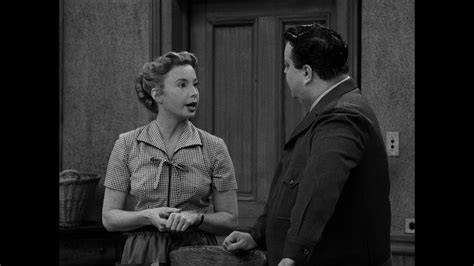
The tiny Brooklyn apartment where Ralph and Alice lived is one of television’s most recognizable settings. A small kitchen table, a simple icebox, and that famous window where Norton often climbed inside.
At first glance, the apartment feels cheerful and harmless.
But observant fans of The Honeymooners occasionally notice a subtle detail that adds unexpected depth to the show: the Kramdens are living extremely close to financial collapse.
Ralph’s job as a bus driver barely supports the household. Nearly every episode begins with Ralph dreaming of a new scheme that will transform his life overnight. Whether it’s selling kitchen gadgets, writing songs, or launching bizarre inventions, his motivation always comes from the same place—a desperate desire to escape poverty.
Alice understands this better than anyone.
Her sarcastic remarks aren’t simply jokes; they’re quiet reminders that Ralph’s dreams often ignore reality. When she calmly dismantles one of his grand plans, she isn’t being cruel—she’s protecting them from disaster.
What makes this dynamic fascinating is how rarely the show openly discusses money problems. Instead, it hides them behind humor.
The laughter becomes a kind of shield.
And perhaps that’s why the show still resonates today. Beneath the comedy lies a surprisingly honest portrait of working-class ambition, where hope and frustration exist side by side in a tiny apartment.