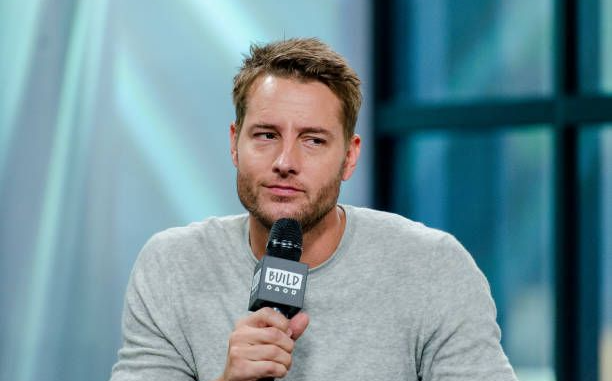
Okay, Tracker stans—hear me out. After three seasons of non-stop road trips, family betrayals, moral gray zones, and that relentless “bigger, badder, more emotional” promise, I’m starting to believe Justin Hartley might quietly resent the show that’s made him TV’s top action hero. And no, it’s not because of the ratings (still crushing it as CBS’s #1 scripted series) or the paycheck. It’s the toll the chaos has taken on him personally, professionally, and emotionally.
Let’s break down the evidence that’s been hiding in plain sight.
First, the grueling schedule. Tracker films on location-heavy Vancouver sets with rugged outdoor shoots, long hours, and a weekly episodic grind that demands Hartley be in nearly every scene. As star and executive producer (alongside Ken Olin and Elwood Reid), he’s not just acting—he’s shaping story arcs, approving scripts, and juggling creative decisions. In interviews tied to Season 3‘s March 1, 2026 return, Hartley has repeatedly described the role as “demanding” and “physically taxing,” with Colter constantly injured, framed, crashing cars, and running from authorities. Fans noticed his voice sounded more fatigued in recent press rounds; some even speculated minor injuries from stunts. When he talks about “real jeopardy” for Colter, it starts to feel like projection—Hartley himself in real jeopardy of burnout.
Then there’s the emotional weight. Colter Shaw’s arc has grown darker every season: repressed memories of his father’s death, guilt over family lies, moral compromises, isolation from allies, and now full fugitive status. Hartley has mastered playing haunted, stoic men (This Is Us tears trained him well), but the constant trauma porn—week after week—wears on anyone. His recent Instagram post about grieving family loss amid global conflict felt rawer than usual. Pair that with off-screen stress (custody whispers with ex Lindsay, the tragic relative in Iran strikes), and suddenly Colter’s “lone wolf running from his past” vibe hits too close to home. In a Deadline chat, Hartley admitted the show is “about growing up in adulthood”—but what if he’s tired of his own adulthood being defined by endless emotional heavy lifting?
The “secret projects” tell the story too. Hartley’s expanded first-look deal with 20th Television, his narration of James Patterson’s Trapped (where listeners say his voice feels “intimately vulnerable”), and the rumored Reese Witherspoon limited series all scream diversification. These are lower-pressure, more controlled gigs—voice work from a booth, prestige limited runs with creative partners like Reese—compared to Tracker’s weekly treadmill. When he gushes about Sofia Pernas (“If I could spend every second with her, I would”) and teases working with her on-set, it feels like he’s craving stability and joy, not more chaos. Tracker keeps delivering chaos.
Even his comments on Season 4 (fall 2026) feel measured, almost guarded. No explosive teases, no crossover hype confirmation, just “we’re not making huge changes” and “people like the show.” It’s the language of someone protecting what works while quietly eyeing the exit ramp. Fans on Reddit are starting to notice: threads titled “Is Justin over Tracker?” point to his sparse social media, cautious promo style, and focus on side hustles as signs he’s checked out emotionally, even if contractually locked in.
Don’t get me wrong—Hartley has never publicly trashed Tracker. He praises the team, loves Colter’s complexity, and credits the show for his current success. But after three seasons of playing a man who’s perpetually running, hurt, betrayed, and alone, it’s not a stretch to think the role has started to feel like a cage. The irony? Colter Shaw tracks people for a living—yet Justin Hartley might be the one desperate to break free.
Of course, this is all speculation. Season 4 could reignite his passion with fresh arcs, cameos, or that rumored crossover. But right now, the signs are there: exhaustion, diversification, guarded optimism. If Hartley secretly hates Tracker, it’s not the show—it’s what three seasons of beautiful, brutal chaos have done to the man behind Colter Shaw.
Admitting it hurts, but sometimes the truth is the biggest reveal of all.