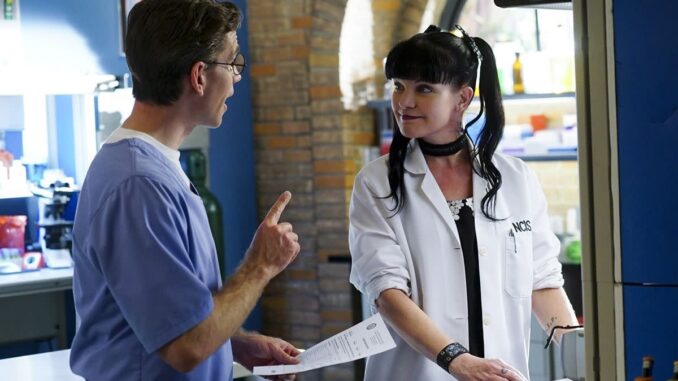
The long-running success of NCIS isn’t just about gripping cases and shocking twists. Behind the cameras, the show has built a reputation for strong friendships, loyalty, and teamwork among its cast. One story that perfectly captures that spirit comes from Brian Dietzen, who once shared how two of his co-stars—Mark Harmon and Pauley Perrette—helped him through a difficult moment early in his time on the show.
It wasn’t a dramatic on-screen explosion or a high-stakes interrogation scene. Instead, it was an intense challenge from the showrunner that pushed Dietzen to his limits. And according to the actor, the support he received from his fellow cast members made all the difference. Let’s dive into the story behind this memorable behind-the-scenes moment and what it reveals about the culture that helped make NCIS one of television’s most enduring hits.
The Early Days of Brian Dietzen on NCIS
When Brian Dietzen first joined NCIS, he wasn’t yet the fan-favorite character viewers know today. His role as Dr. Jimmy Palmer—the quirky and lovable medical examiner—started small.
A Supporting Character With Big Potential
Initially, Jimmy Palmer appeared as a recurring character in the medical examiner’s office. At the time, the spotlight belonged mainly to other characters, particularly the team led by Gibbs.
Dietzen has often said he felt both excited and intimidated during those early days. After all, stepping onto a set with experienced actors and an already established hit show is like joining a championship sports team mid-season.
You want to perform well. You want to prove you belong.
And sometimes, the pressure can be intense.
The Showrunner’s Unexpected Challenge
Every television series has moments where actors are pushed creatively. For Dietzen, one of those moments came when the showrunner gave him a demanding challenge that tested both his confidence and acting range.
High Expectations Behind the Camera
The challenge reportedly involved delivering a complicated performance that required both comedic timing and emotional nuance.
That might sound routine for seasoned actors. But for someone still establishing their place on a massive show like NCIS, it can feel like being asked to run a marathon without knowing the route.
Dietzen later admitted the situation felt overwhelming.
He wanted to rise to the occasion—but the pressure was real.
Enter Mark Harmon: The Quiet Leader
At that crucial moment, Mark Harmon stepped in.
Harmon wasn’t just the lead actor playing Leroy Jethro Gibbs. Behind the scenes, he had become a guiding presence for many cast members.
Leadership Without Ego
According to Dietzen, Harmon had a talent for recognizing when someone needed support.
Instead of making the situation more stressful, he offered encouragement and perspective. Sometimes, leadership isn’t about giving a big speech—it’s about quietly helping someone believe they can handle the challenge.
Harmon reportedly reassured Dietzen that tough moments are part of the creative process.
In other words: pressure means the work matters.
Pauley Perrette’s Supportive Energy
If Harmon brought calm leadership, Pauley Perrette brought energy and warmth.
Perrette, beloved for her role as Abby Sciuto, was known on set for creating a welcoming atmosphere. And during Dietzen’s stressful moment, that positivity proved invaluable.
Encouragement That Made a Difference
Perrette encouraged Dietzen to trust his instincts.
Sometimes actors second-guess themselves when stakes are high. A simple reminder—you’re here because you’re good enough—can completely change someone’s mindset.
Dietzen later credited her with helping him regain confidence before facing the challenge.
Why This Moment Matters
At first glance, this might sound like a small behind-the-scenes anecdote. But it actually reveals something important about why NCIS thrived for so long.
A Culture of Collaboration
Some television sets are notoriously competitive. Actors may focus only on their own performances.
But NCIS built a culture where cast members helped each other succeed.
And that kind of environment doesn’t just improve morale—it improves the show itself.
The Growth of Jimmy Palmer
After those early challenges, Dietzen’s character began to evolve.
From Comic Relief to Emotional Center
Jimmy Palmer gradually became one of the show’s most relatable characters.
At first he provided comedic relief, often nervously assisting in autopsies.
But over time, the character gained depth—especially in emotional storylines involving relationships, loss, and personal growth.
How Mentorship Shapes Long-Running Shows
Long-running television series depend on continuity. New actors join, storylines change, and characters evolve.
Mentorship plays a huge role in helping that transition feel natural.
Veteran Actors Set the Tone
When experienced performers support newer cast members, the entire production benefits.
Mark Harmon, in particular, became known for this kind of mentorship throughout the NCIS franchise.
His leadership style reportedly emphasized respect, teamwork, and patience.
Behind the Success of NCIS
The show’s longevity isn’t an accident.
Consistency and Character
Fans return to NCIS not just for crime stories, but for characters who feel real.
And that authenticity often comes from actors trusting one another.
Moments like the one Dietzen described show how that trust develops.
Why Fans Love Stories Like This
Behind-the-scenes stories fascinate audiences because they humanize the actors they admire.
Instead of seeing them as untouchable celebrities, fans get a glimpse of real people navigating pressure, uncertainty, and growth.
It’s relatable.
After all, who hasn’t needed a supportive colleague during a tough moment at work?
The Impact of Mark Harmon’s Leadership
Mark Harmon’s influence on NCIS extends far beyond his on-screen role.
Creating Stability
For nearly two decades, Harmon helped anchor the series.
His presence gave the show stability while storylines and cast members evolved.
That leadership style helped cultivate an environment where actors felt comfortable experimenting and growing.
Pauley Perrette’s Lasting Legacy
Even after leaving the show, Pauley Perrette remains one of the most beloved figures in the NCIS universe.
More Than a Character
Her portrayal of Abby Sciuto brought humor, intelligence, and heart to the series.
But stories like Dietzen’s show that her kindness off-screen left just as strong an impression.
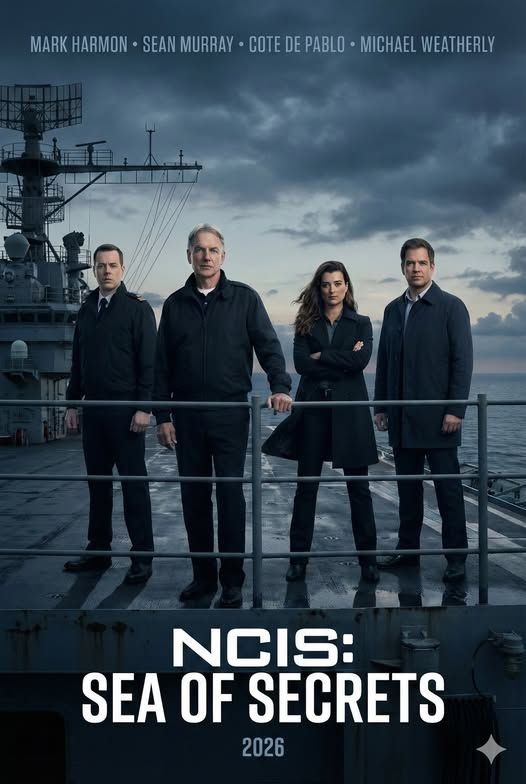
A Turning Point for Brian Dietzen
Looking back, Dietzen has described that early challenge as a turning point in his career.
Confidence Through Experience
The moment forced him to trust his abilities.
And with support from his co-stars, he realized he belonged on the show.
That confidence helped him grow into a central figure within the NCIS ensemble.
Lessons From the NCIS Set
The story carries a few lessons that extend beyond television.
Support Builds Success
Whether on a TV set or in an office, teamwork matters.
Encouragement can transform stress into motivation.
Mentorship Changes Careers
One conversation with a mentor can shift someone’s entire trajectory.
In Dietzen’s case, the support from Harmon and Perrette helped shape his long-term role on the series.
The Enduring Family of NCIS
After more than two decades on air, NCIS has become more than just a procedural drama.
It’s a television family.
Actors come and go, storylines evolve, and new characters emerge—but the spirit of collaboration continues.
And stories like Brian Dietzen’s remind us that behind every great show is a team of people looking out for each other.
Conclusion
The success of NCIS isn’t just about solving fictional crimes. It’s about real relationships built behind the scenes. Brian Dietzen’s recollection of Mark Harmon and Pauley Perrette stepping in during a challenging moment reveals the supportive culture that helped define the show.
In an industry known for intense pressure, that kind of teamwork stands out. Harmon’s calm leadership and Perrette’s uplifting encouragement helped Dietzen navigate a difficult situation—and ultimately grow into one of the show’s most beloved characters.
Sometimes the most compelling stories aren’t written into the script. They happen between takes, when colleagues become mentors and co-stars become friends.