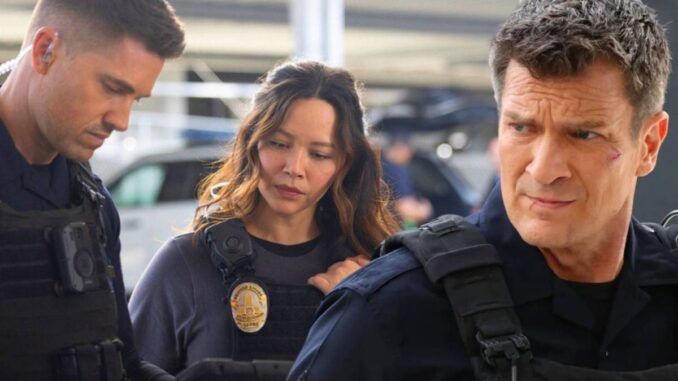
A Season That Refuses to Play It Safe
From its very first episode, The Rookie Season 8 makes one thing abundantly clear: comfort is no longer part of the formula. What once felt like a procedural anchored in optimism and steady character growth has shifted into something far more volatile. The tone is sharper. The consequences are heavier. And the emotional safety net that long protected its core characters feels noticeably thinner.
This isn’t just another season of patrol calls and personal drama. It’s a recalibration. Season 8 signals that the show is willing to test its foundations — and that shift has changed the way audiences experience every scene.
Higher Risks, Harder Choices
One of the most striking changes this season is the escalation of professional danger. Operations are more complex, antagonists feel more calculated, and missions stretch beyond routine street-level policing. The threats no longer resolve neatly within a single episode. Instead, they linger, casting shadows across multiple storylines.
But the raised stakes aren’t limited to physical danger. Emotional risks are equally intense. Characters are forced into choices that challenge their loyalties, ethics, and relationships. In earlier seasons, mistakes could often be corrected. Now, decisions carry lasting consequences.
The sense that “anything could happen” isn’t marketing hype — it’s embedded in the narrative structure.
John Nolan’s Leadership Under Pressure
At the center of the storm is John Nolan. Once the wide-eyed rookie determined to prove himself, Nolan now occupies a position that demands authority and composure. Season 8 tests that composure repeatedly.
Rather than presenting him as invincible, the show leans into his vulnerabilities. Leadership comes with isolation. Responsibility means living with outcomes that can’t always be fixed. Nolan’s evolution this season feels less about personal triumph and more about navigating moral gray areas.
For viewers who have followed his journey from day one, the transformation is both compelling and unsettling. The optimism that once defined him is still present — but it’s tempered by hard-earned realism.
Lucy Chen Faces Unpredictable Terrain
If there’s one character who embodies the season’s emotional volatility, it’s Lucy Chen. Season 8 places her in scenarios where instinct and preparation collide. The confidence she built over years of growth is now being stress-tested in unexpected ways.
Her storylines highlight a core theme of the season: progress doesn’t guarantee protection. Lucy’s resilience remains intact, but the narrative refuses to shield her from fallout. Professional ambition, personal connection, and ethical dilemmas intersect in ways that feel raw and unresolved.
That unpredictability keeps audiences invested — and uneasy.
Relationships on Unsteady Ground
Season 8 doesn’t just raise stakes in the field; it destabilizes relationships that once felt secure. Romantic arcs, friendships, and partnerships all face strain under mounting pressure.
What makes this shift effective is its subtlety. The show doesn’t rely solely on explosive arguments or dramatic betrayals. Instead, tension simmers beneath everyday interactions. A delayed response. A withheld truth. A look that lingers a second too long.
These quiet fractures create an atmosphere where emotional security feels just as fragile as physical safety.
Antagonists With Long Shadows
In earlier seasons, many conflicts followed a clear rhythm: a problem emerged, the team mobilized, and resolution arrived by episode’s end. Season 8 disrupts that rhythm by introducing antagonists whose influence extends beyond a single storyline.
These adversaries aren’t just obstacles; they’re catalysts for change. Their presence forces characters into corners they can’t easily escape. The resulting tension adds a serialized intensity that elevates the overall narrative.
For viewers, the shift creates sustained suspense. Every victory feels temporary. Every calm moment feels borrowed.
A Darker Visual and Emotional Tone
Beyond plot mechanics, Season 8 carries a noticeable tonal shift. Cinematography leans into shadow and contrast, mirroring the uncertainty within the story. Even dialogue feels sharper, stripped of excess reassurance.
The show hasn’t abandoned its humor entirely, but levity now feels like a brief reprieve rather than a defining feature. Emotional scenes linger longer, allowing discomfort to settle instead of quickly moving on.
This tonal evolution reinforces the idea that safety — once assumed — is no longer guaranteed.
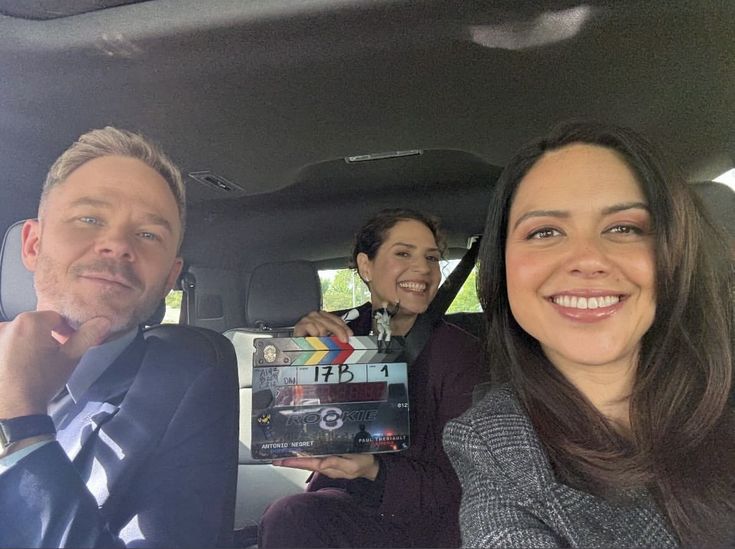
Consequences That Stick
Perhaps the most significant difference this season is the permanence of consequences. Injuries matter. Conflicts reshape dynamics. Career decisions alter trajectories.
Season 8 resists the temptation to reset at the end of each hour. Instead, it builds continuity through fallout. That commitment to consequence heightens investment. When viewers sense that outcomes will ripple forward, every decision carries weight.
It’s a storytelling approach that demands attention — and rewards it.
Fans React to the Intensity
Audience response reflects the season’s heightened tension. Online discussions frequently center on unpredictability. Fans debate theories not just about plot twists, but about which characters might face irreversible change.
While some viewers miss the lighter tone of earlier seasons, many embrace the evolution. The risk-taking signals creative ambition. It suggests a show confident enough to challenge its own formula.
And in an era where long-running series often struggle to reinvent themselves, that ambition feels necessary.
Is Anyone Truly Safe?
The central question looming over Season 8 is simple: Is anyone safe? The narrative doesn’t offer easy reassurance. Even long-established characters face situations that could permanently alter their futures.
That uncertainty fuels engagement. When viewers can’t predict outcomes, every scene holds potential significance. The emotional contract between show and audience shifts from comfort to tension — and that tension becomes addictive.
A Bold Evolution for a Veteran Series
Eight seasons in, many shows begin to plateau. Instead, The Rookie chooses escalation. By raising the stakes and removing the illusion of safety, it reinvigorates its storytelling engine.
The transformation isn’t about shock for shock’s sake. It’s about acknowledging that growth comes with cost. Experience doesn’t eliminate danger; it complicates it.
Season 8 feels like a turning point — not a departure from what made the show successful, but a deepening of it.
Final Thoughts: The Cost of Survival
At its core, The Rookie Season 8 explores survival — not just in the literal sense, but emotionally and morally. What does it mean to endure in a profession defined by unpredictability? How do relationships withstand relentless pressure? And how do individuals evolve when safety can no longer be assumed?
By raising the stakes across every layer of its storytelling, the series challenges both its characters and its audience. No one feels entirely safe anymore — and that’s precisely what makes this season impossible to ignore.
If Season 8 continues on this trajectory, it may not just be another chapter. It may be the one that redefines the series entirely.