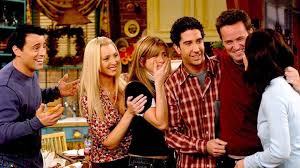
More than two decades after its finale, Friends is once again dominating fan conversations — not because of a reboot announcement, but because of a provocative hypothetical that has reignited debate: What if the beloved 90s sitcom were set in 2026 instead of pre-smartphone Manhattan?
The question has sparked a tidal wave of commentary among longtime viewers and younger fans discovering the show through streaming. In a world ruled by TikTok trends, cancel culture, algorithm-driven fame, and dating apps, who among the six would thrive — and who would spiral?
The answers are surprisingly divisive.
The Character Most Likely to Crash in 2026
Many fans agree that Ross Geller would struggle the most — and spectacularly.
Ross, already prone to over-explaining, jealousy, and public meltdowns, would be walking into a digital minefield. Imagine:
-
His “We were on a break” argument becoming a viral meme dissected frame by frame.
-
A jealous late-night rant accidentally livestreamed.
-
A poorly worded tweet about paleontology triggering backlash.
-
An old college photo resurfacing and being taken wildly out of context.
In the 90s, Ross could recover from embarrassment with a sheepish grin and a laugh track. In 2026, screenshots are forever. His tendency to spiral emotionally would collide head-on with a culture that amplifies every mistake.
Ironically, that same volatility could make him the most unintentionally viral member of the group. Think chaotic academic influencer energy — but constantly on the verge of cancellation.
The Unexpected Digital Queen
While some assume Rachel Green would naturally dominate Instagram, the real breakout might be Monica Geller.
Monica’s obsessive organization and competitiveness translate perfectly into 2026’s aesthetic-driven world. Her apartment would become a minimalist lifestyle channel. Pantry restocking videos. Hyper-detailed hosting tutorials. Viral Thanksgiving content. She wouldn’t just participate in social media — she would master it.
But the pressure to maintain perfection online could also intensify her need for control. Would Monica thrive — or burn out trying to curate the perfect life?
The Silent Winner of the Algorithm Era
Then there’s Phoebe Buffay.
Phoebe might be the most naturally adapted to 2026’s unpredictable digital culture. Her eccentric songs, conspiracy theories, and offbeat worldview would flourish in short-form video. “Smelly Cat” would trend organically. She would go viral without trying.
In fact, Phoebe’s authenticity — something that felt quirky in the 90s — feels almost revolutionary in an era of manufactured personas. She wouldn’t chase the algorithm. The algorithm would chase her.
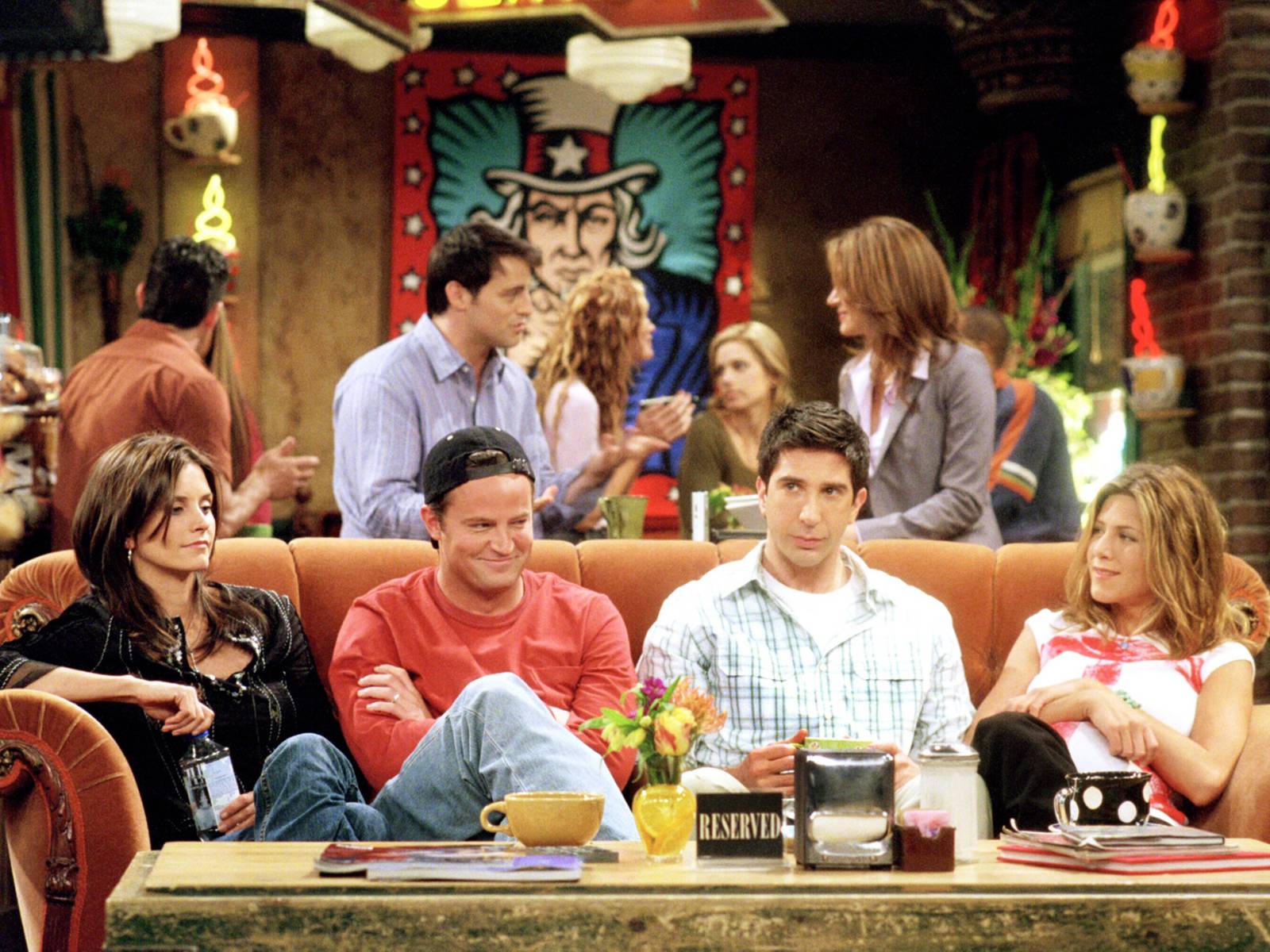
Joey, Dating Apps, and Disaster
Joey Tribbiani would initially believe he’s built for 2026.
Dating apps? Effortless.
Influencer deals? Obviously.
Acting through social platforms? Perfect.
But Joey’s charm worked best face-to-face. In a world of curated bios and digital receipts, would his old-school approach still land? Or would screenshots of poorly thought-out DMs turn him into a cautionary tale?
The modern dating landscape might expose vulnerabilities he never had to confront before.
Chandler and the Era of Irony
Chandler Bing might actually flourish — until sarcasm gets misread.
His humor thrives on timing and tone. Online, without context, it could backfire. A tweet meant as a joke could be taken literally. A sarcastic comment could ignite outrage.
And yet, if anyone could evolve into a self-aware meme king, it would be Chandler. He understands absurdity — and 2026 is nothing if not absurd.
Would “Friends” Even Work in 2026?
Here’s the deeper tension driving the debate: Friends was built on physical proximity.
No one texted to cancel coffee.
No one checked someone’s location.
No arguments were mediated through group chats.
Embarrassments faded without digital permanence.
In 2026, secrets would surface faster. Relationships would unfold publicly. Conflict would escalate at algorithmic speed.
The original magic of Friends rested on intimacy — six people sharing space, silence, and time. In a hyperconnected era, would that intimacy survive?
Or would the constant digital noise fracture the group dynamic that defined the show?
The Moment That Would Break the Internet
If there’s one hypothetical “gag” fans agree would explode online, it’s this:
Ross and Rachel’s “break” would not just be an argument — it would become a cultural war. Hashtags. Think pieces. Reaction videos. Side-by-side timelines.
In the 90s, it was a relationship debate.
In 2026, it would be a global trending topic.
And that’s the crux of the fascination: placing these characters in today’s world doesn’t just modernize them — it exposes how fragile and human they really are.
Why This Conversation Feels So Charged Now
Part of the renewed intensity comes from the emotional weight surrounding the show’s legacy. After the loss of Matthew Perry, discussions about the characters have taken on a more reflective tone. Fans are re-examining what made the series timeless — and what might not translate into today’s climate.
The 2026 thought experiment isn’t just playful nostalgia. It’s a cultural test.
Could a sitcom built on simplicity survive in a world of digital complexity?
Would vulnerability still be funny?
Would mistakes still be forgivable?
Or would the algorithm rewrite the entire story?
One thing is certain: imagining Friends in 2026 doesn’t diminish its legacy — it highlights just how radically the world has changed. And that contrast is exactly why the debate feels so electric.
Because maybe the real question isn’t who would struggle.