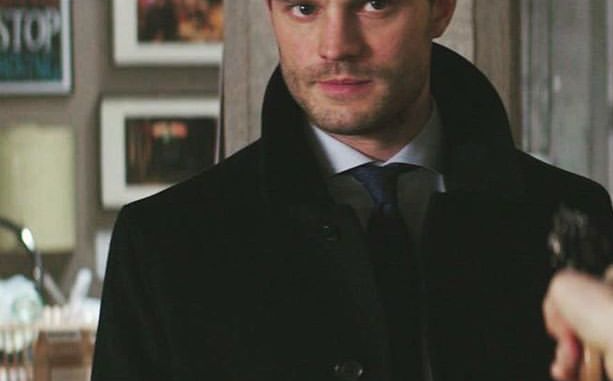
Jamie Dornan, the Northern Irish actor best known today for roles in acclaimed projects like The Fall, Belfast, and The Tourist, once found himself at the center of one of Hollywood’s most polarizing franchises: the Fifty Shades of Grey trilogy. Stepping into the role of the enigmatic billionaire Christian Grey opposite Dakota Johnson’s Anastasia Steele, Dornan became a global sensation overnight when the first film hit theaters in 2015. The series, adapted from E.L. James’s bestselling erotic novels, grossed over $1 billion worldwide, proving an undeniable commercial triumph driven by a passionate fanbase. Yet, beneath the box-office success lay a storm of criticism that tested Dornan’s resilience—and one aspect of the experience stands out as particularly grating for the actor.
While Dornan has repeatedly emphasized that he harbors no regrets about taking on the role—acknowledging how it transformed his life financially and opened doors to future opportunities—he has been candid about the challenges. In interviews, he has described the intense backlash as “f***ing difficult” to endure, especially coming off the critical acclaim for his chilling performance as serial killer Paul Spector in The Fall. That series earned him BAFTA nominations and widespread praise, positioning him as a serious dramatic talent. Then came Fifty Shades, a project he knew would invite scorn from critics who had already eviscerated the source material.
The first film’s release was met with scathing reviews, holding just 25% on Rotten Tomatoes from critics, while audiences were only marginally kinder. The sequels fared even worse critically. Dornan recalled the “wrath of hatred” he felt upon being cast, particularly after Charlie Hunnam exited the project. He anticipated the divide: fans adored the story’s fantasy elements, while “real critics hated the books” and were poised to dismantle the films. The ridicule was so overwhelming after the premiere that Dornan and his family retreated to a rural hideaway at director Sam Taylor-Johnson’s countryside home, essentially going into hiding to escape the media storm. He later reflected on the strangeness of knowing he was contractually obligated to film two more movies amid the incoming “damnation.”
Despite the personal toll, Dornan has defended the hard work poured into the productions. Everyone involved, he insists, gave their all—from the cast and crew to the directors navigating the tricky balance of fidelity to the books and cinematic demands. He has expressed gratitude for the opportunities it provided, noting that any working actor would recognize the value of a billion-dollar franchise. The financial security it brought his family remains a point of pride, and he credits the fans’ unwavering support as a bright spot.

However, the one thing Jamie Dornan truly hated about being part of the Fifty Shades movies was the pervasive perception that the entire endeavor was “just a bit of a joke.” In a revealing 2021 interview with British GQ, he articulated his frustration clearly: while he understood the critical disdain for the books’ prose and the films’ execution, he took issue with the dismissal of the project as frivolous or unworthy of serious effort. “Everyone involved worked as hard as they could on those films, including myself,” he said, pushing back against the narrative that reduced the trilogy to campy escapism or a punchline. The constant jokes and eye-rolling from commentators stung because they overlooked the dedication behind the scenes.
This sentiment has lingered in Dornan’s reflections over the years. Even as he moved on to more critically respected work—earning praise for his portrayals in films like A Private War and Anthropoid—media coverage often circled back to Fifty Shades with a teasing tone, as if he were still “paying penance” for the role. He has admitted that such framing motivates him, lighting a fire to prove his range, but the underlying dismissal of his commitment rankles. Dornan recognizes the irony: a project that made him a household name also typecast him in the public eye as the face of something many refused to take seriously.
Ultimately, Dornan’s experience with Fifty Shades highlights the double-edged sword of blockbuster fame. The trilogy delivered massive visibility and wealth, yet it came at the cost of enduring relentless mockery and professional scrutiny. He doesn’t shy away from the flaws—he has even agreed with some harsh assessments of his performance—but he resents the implication that the effort was insincere or lightweight. For Dornan, the true frustration wasn’t the criticism itself, but the way it trivialized the genuine work invested in bringing Christian Grey to life. As he continues to build a diverse career, that one lingering gripe serves as a reminder of the peculiar burdens that accompany mainstream success.