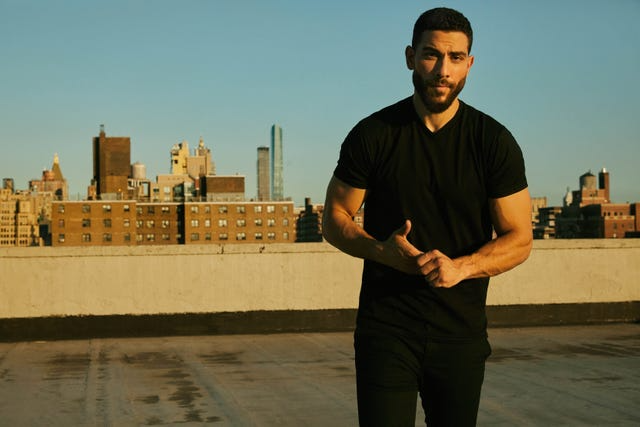
In the high-pressure world of television procedurals, the line between the performer and the persona often becomes blurred, especially when a series enters its most intense narrative phase. As FBI navigates its emotionally charged eighth season in 2026, fans and industry insiders alike are asking if we are witnessing a case of life imitating art. At the center of this whirlwind is Zeeko Zaki, the actor who has portrayed Special Agent Omar Adom “OA” Zidan since the show’s inception. Recent episodes have seen a profound emotional shift in OA’s character arc—moving from the stoic, disciplined “Elite of the Elite” soldier to a man grappling with vulnerability, burnout, and the weight of systemic injustice. As Zaki delivers these career-best performances, questions are swirling about how much of his own personal evolution is fueling the raw, high-stakes energy seen on screen.
The 2026 season of FBI has leaned heavily into the psychological toll of federal service. OA, traditionally the “rock” of the New York Field Office, has been faced with cases that hit close to home, involving the complexities of his heritage and the moral ambiguities of undercover work. Zeeko Zaki has portrayed this shift with a startling realism that feels deeply personal. In recent press junkets, Zaki has been candid about the “heavy lifting” required for this season, sparking rumors that the actor himself is navigating a period of significant reflection. Observers have noted that Zaki’s off-screen demeanor has mirrored his character’s recent gravitas; he has become an outspoken advocate for mental health awareness within the acting community and a vocal proponent for more nuanced Middle Eastern representation in Hollywood.
This “Emotional Shift” is a departure from the traditional procedural formula. Usually, the “Elite” agents are expected to reset after every trauma, but the 2026 arc for OA suggests that some wounds don’t heal between commercial breaks. Zaki’s performance in the episode “The Weight of the Badge” was particularly telling. In a scene where OA confronts his own exhaustion, the actor’s eyes conveyed a weariness that many fans felt transcended the script. This has led to widespread speculation: Is Zaki using his character as a vessel to process the real-world pressures of being a leading man in an increasingly polarized industry? In 2026, where the “High-Stakes” of celebrity are magnified by social media, the pressure to maintain a perfect “hero” image can be as draining as the fictional crimes OA solves.
Furthermore, the chemistry between Zaki and his long-time co-star Missy Peregrym has taken on a new, more somber tone. As Maggie Bell supports OA through his current crisis, the actors’ real-life bond of nearly a decade provides a foundation of authenticity that is rare in television. Zaki has often referred to the cast as his “found family,” and industry whispers suggest that the cast’s collective support has been vital as Zaki explores these darker narrative territories. The “Questions Swirl” not because of any negative scandal, but because the audience is captivated by the transparency of his performance. It is a rare moment where a procedural actor allows the audience to see the human being behind the badge, creating a bridge between the “Elite” fantasy of the FBI and the lived experience of the person portraying it.
From a production standpoint, the showrunners have leaned into this “Life Imitating Art” narrative. The cinematography in Season 8 has become more intimate, focusing on tight close-ups of Zaki that capture every flicker of doubt or resolve. This shift has elevated FBI from a standard crime drama to a character study, a move that critics have praised as a necessary evolution for a show in its eighth year. By allowing Zeeko Zaki to bring his own maturity and life lessons into the role of OA, the series has gained a level of “High-Stakes” emotional stakes that can’t be manufactured by pyrotechnics or high-speed chases alone.
As the season progresses toward its finale, the mystery of where OA ends and Zeeko Zaki begins remains a topic of fascination. Whether he is drawing from his own life or simply reaching a new pinnacle of his craft, Zaki’s contribution to the 2026 season has redefined what it means to be a modern television lead. He has proven that the most “Elite” thing an actor can do is be vulnerable. The sirens of the New York Field Office may still be wailing, but the heart of the show is now beating with a human rhythm that resonates far beyond the screen. As the smoke of the latest case clears, the image of Zeeko Zaki—thoughtful, resilient, and undeniably changed—is what remains etched in the minds of the viewers.