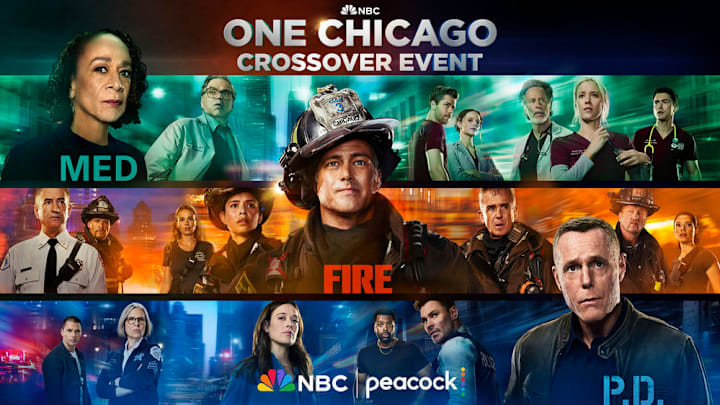
The landscape of network television has long been anchored by the formidable “One Chicago” block on Wednesday nights, but as 2026 unfolds, NBC has orchestrated a strategic maneuver that is sending ripples through the industry. The flagship series, Chicago Fire, is at the center of a major lineup shift that is fundamentally altering how fans consume the high-octane drama of Firehouse 51. For over a decade, the triad of Chicago Med, Chicago Fire, and Chicago P.D. operated as a seamless, three-hour emotional marathon. However, in a bold move to revitalize the mid-week ratings and capitalize on the show’s massive streaming success, NBC has introduced a new scheduling rhythm that emphasizes Chicago Fire as the standalone titan of the franchise.
This comeback isn’t just about a change in the clock; it is a response to the evolving “Elite of the Elite” status that Chicago Fire has earned within the Dick Wolf universe. In 2026, NBC has experimented with moving Chicago Fire to a later time slot or, in some regions, anchoring it as a “lead-in” for new procedural spin-offs, effectively breaking the traditional back-to-back-to-back cycle. The primary driver for this shift is the show’s unique ability to bridge the gap between traditional broadcast audiences and the younger, digital-first viewers on Peacock. By staggering the air times, NBC is allowing Chicago Fire to breathe as its own entity, giving the writers more room to explore darker, more complex “high-stakes” narratives that might have felt constrained by the rapid-fire pacing of a three-way crossover night.
The shift comes at a pivotal moment for the cast of Firehouse 51. With the recent departures of veteran characters and the arrival of fresh blood, the internal chemistry of the station is in a state of flux. The new lineup schedule allows for more “special event” episodes—expanded 90-minute installments that delve deeper into the psychological toll of the job. For characters like Stella Kidd and Kelly Severide, this extra breathing room means their relationship dynamics are no longer fighting for airtime against the medical emergencies of Med or the gritty street battles of P.D. Instead, the audience gets a more immersive experience in the firehouse, making the “major lineup shift” a creative win as much as a logistical one.
Moreover, the change in NBC’s One Chicago nights reflects a broader trend in 2026 television: the rise of the “Event Procedural.” Rather than a weekly routine, Chicago Fire is being marketed as a destination event. The premiere of the latest season utilized this shift to showcase a massive, multi-episode wildfire arc that utilized high-end practical effects and drone cinematography, techniques that require a different pacing than the standard 42-minute broadcast hour. By shifting the lineup, NBC can offer these “cinematic” episodes without disrupting the flow of the other Chicago shows, ensuring that each series maintains its own distinct identity while still existing in the same shared universe.
The reaction from the “Chi-Hards”—the show’s dedicated fanbase—has been a mix of apprehension and excitement. While many miss the ritual of the three-hour block, the “Elite” focus on Chicago Fire has led to a noticeable uptick in production quality. The storytelling has become more serialized, rewarding long-term viewers with intricate payoffs that might have been lost in a more crowded schedule. Additionally, the shift has allowed for more “mini-crossovers” where characters from P.D. or Med pop in for a single scene or a brief subplot, keeping the world connected without the logistical nightmare of a full-scale crossover event.
As NBC navigates this new era, the success of the Chicago Fire comeback serves as a blueprint for other long-running franchises. It proves that even a show in its second decade can find new life by challenging the traditional “rules” of the lineup. The move toward a more flexible, event-driven schedule ensures that Firehouse 51 remains the heartbeat of the network’s drama slate. In 2026, the fire isn’t just staying alive; it’s being fed by a new strategy that prioritizes quality over quantity, making every Wednesday night feel like a season finale.
Ultimately, the major lineup shift is a testament to the enduring power of these characters. Whether they are airing at 8:00 PM or 10:00 PM, the men and women of Chicago Fire continue to represent the very best of the procedural genre. As the smoke settles on NBC’s new schedule, one thing remains clear: Firehouse 51 is still the place where the most important stories are told, and the fans will follow them through any shift, in any time slot, as long as the bells keep ringing.