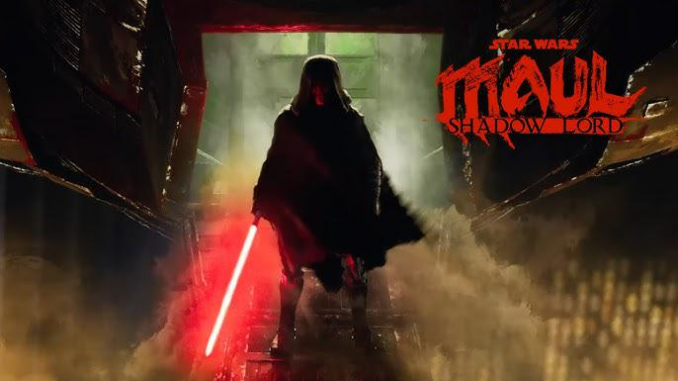
For years, fans have wondered if Darth Maul’s story was truly finished.
He survived death. He survived betrayal. He survived obscurity.
But now, a new revelation from Sam Witwer has ignited the fandom in a way few announcements ever have. According to Witwer, Dave Filoni issued a bold and uncompromising directive for Star Wars: Maul – Shadow Lord:
“Do everything better. Acting. Scripts. Story. Cinematography. Sound. Push everything further.”
That isn’t just creative advice. That’s a mission statement.
And it might signal one of the most ambitious animated chapters in the history of Star Wars.
A Mandate That Changes the Stakes
Filoni is no stranger to transforming overlooked characters into legends. Under his guidance, Ahsoka Tano evolved from divisive newcomer to cultural icon. Darth Maul, once presumed a one-film villain after Star Wars: Episode I – The Phantom Menace, became one of the franchise’s most psychologically layered figures through Star Wars: The Clone Wars and Star Wars Rebels.
But “push everything further” suggests this isn’t just another continuation.
It suggests reinvention.
Why Maul Still Fascinates the Galaxy
Maul’s appeal was never just about double-bladed lightsabers.
He represents something rarer in Star Wars mythology: a villain defined not by ideology, but by obsession.
Revenge against Obi-Wan Kenobi.
Hatred toward Darth Sidious.
A desperate hunger for relevance in a galaxy that discarded him.
When The Clone Wars resurrected him, it didn’t simply bring back a fan-favorite antagonist. It reframed him as tragic, unstable, and dangerously human.
Now, Maul – Shadow Lord appears poised to explore his rise in the criminal underworld—possibly expanding on his Crimson Dawn era hinted at in Solo: A Star Wars Story.
If Filoni’s directive is any indication, this won’t be surface-level storytelling. It will be character excavation.
The Witwer Factor: Performance as Power
Much of Maul’s resurgence is tied to Sam Witwer’s performance.
Witwer didn’t merely voice Maul—he rebuilt him. The rasp. The rage. The fractured calm before emotional collapse.
When he says the team is elevating acting and scripts, that matters.
Because Maul’s strength has always been internal conflict. If the creative team truly pushes performance boundaries, we could witness the most intimate portrait of the dark side ever animated.
A Visual and Sonic Evolution?
Filoni’s mandate specifically calls out cinematography and sound.
That’s not casual.
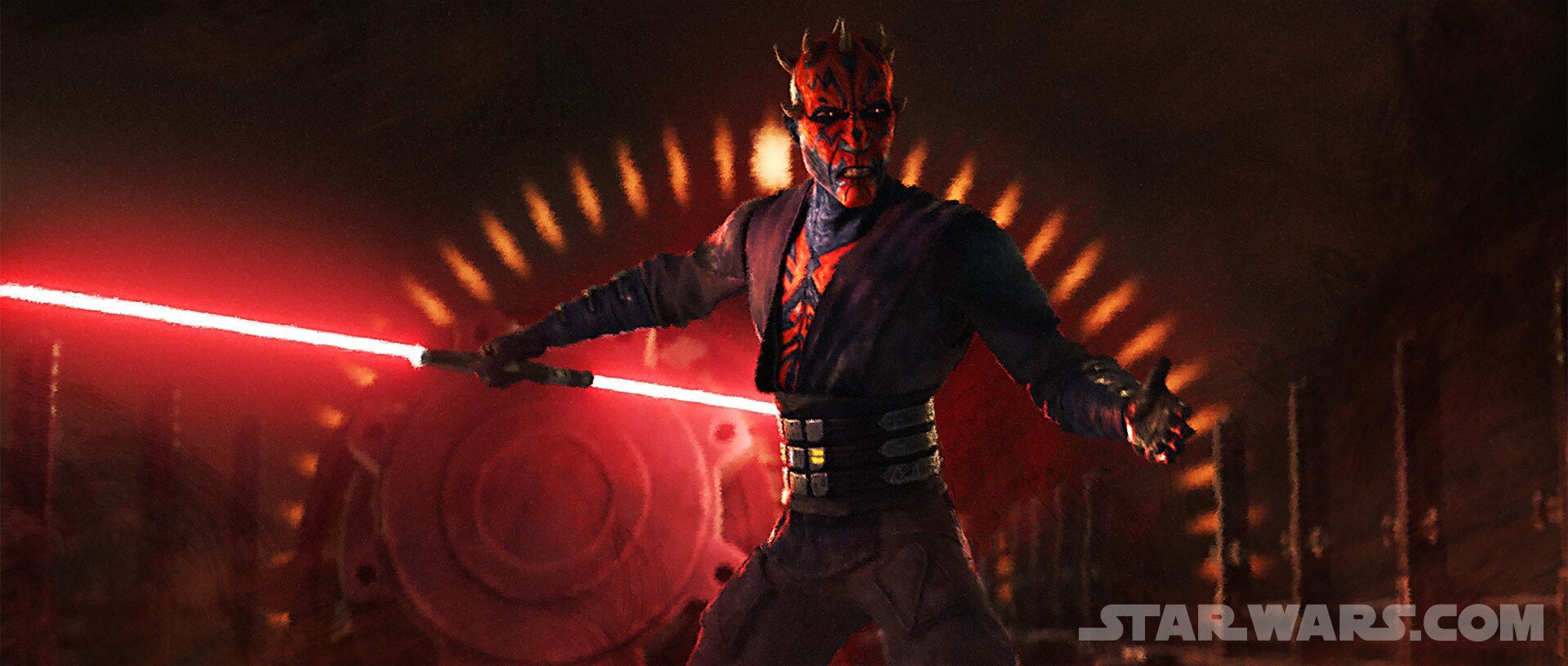
Recent Lucasfilm animation projects have embraced more cinematic lighting, dynamic camera work, and mature tonal shifts. If Shadow Lord continues that trajectory, it could blur the line between animation and prestige drama.
Imagine:
-
Noir-inspired underworld sequences
-
Stark, shadow-drenched lighting reflecting Maul’s fractured psyche
-
Sound design that emphasizes isolation rather than spectacle
This wouldn’t just look different. It would feel different.
Why Fans Are Divided—and Intrigued
The reaction online has been intense.
Some fans see this as long-overdue recognition of Maul’s narrative potential. Others worry about overextending a character whose arc concluded powerfully in Rebels.
That final confrontation with Obi-Wan wasn’t explosive. It was quiet. Inevitable. Tragic.
So the big question becomes:
Is Shadow Lord deepening the myth—or risking dilution?
Filoni’s track record suggests intention, not excess. He has repeatedly demonstrated restraint when it matters most.
A Larger Shift Within Star Wars?
Zoom out for a moment.
Lucasfilm’s recent strategy has leaned heavily into character-driven storytelling rather than pure spectacle. Moral ambiguity, political nuance, trauma, legacy—these themes have become central.
A Maul-centered series fits that evolution perfectly.
He isn’t a Sith in power. He isn’t a Jedi in redemption. He’s something messier: a survivor navigating irrelevance in a galaxy ruled by larger tyrants.
That’s fertile dramatic ground.
The Dark Side as Tragedy, Not Power Fantasy
What makes this project particularly compelling is tonal possibility.
The dark side has often been depicted as seductive strength. But Maul embodies something different: decay.
His life is defined by what he lost—apprenticeship, identity, purpose.
If Filoni truly intends to push everything further, we may see the dark side portrayed less as dominance and more as corrosion.
That would be a bold narrative shift.
Could This Be the Boldest Animated Chapter Yet?
Consider the creative pattern:
-
The Clone Wars expanded the political and emotional complexity of the prequel era.
-
Rebels balanced mythic storytelling with intimate character arcs.
-
More recent projects have embraced mature themes and cinematic pacing.
Maul – Shadow Lord might combine all of that—while focusing on one of the saga’s most psychologically unstable figures.
That’s high risk.
But also high reward.
The Real Question: What Does “Better” Actually Mean?
When Filoni says “everything better,” it’s easy to assume technical polish.
But perhaps it means something more daring:
Sharper moral ambiguity.
Braver emotional vulnerability.
Less reliance on nostalgia.
More focus on character truth.
If that’s the case, this won’t just be a Maul series.
It could become a defining statement about where Star Wars animation is headed next.
A Crossroads for the Franchise
Every major franchise reaches a moment where it must evolve or repeat itself.
Centering a project on Maul—decades after his debut—signals confidence in layered storytelling over simple iconography.
And if Shadow Lord succeeds?
It could permanently shift how legacy villains are handled across the saga.
Final Thought: Not Resurrection—Reckoning
Maul has already been resurrected once.
This time feels different.
This time, it isn’t about shock value.
It’s about legacy.
If the creative team truly pushes acting, scripts, cinematography, and sound beyond previous limits, Star Wars: Maul – Shadow Lord may not just revisit a fan-favorite character.
It may redefine what a dark side story can be.
And in a galaxy built on myth and memory, that’s a dangerous—and thrilling—promise.