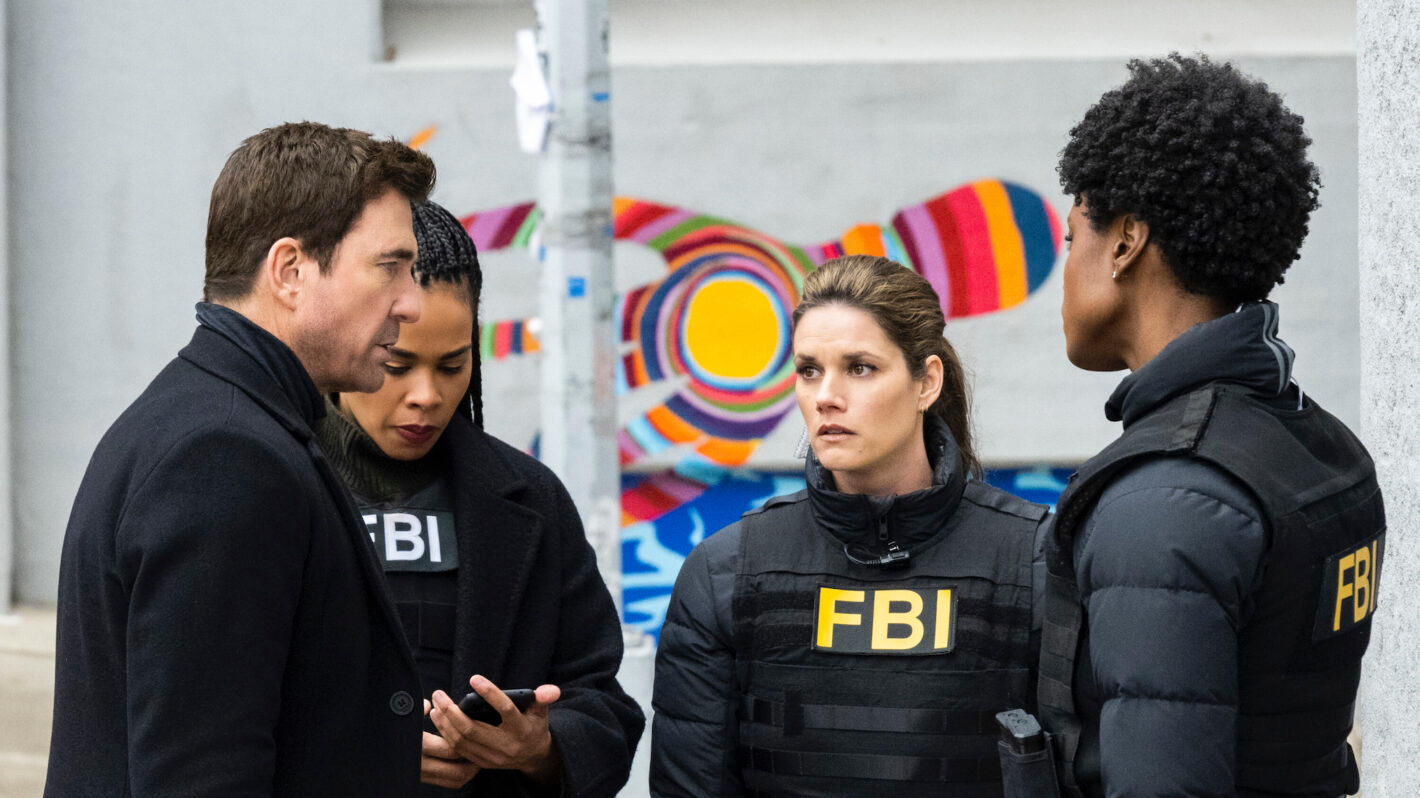
Espionage Meets Justice: Why FBI: CIA Could Redefine the FBI Universe
The expansion of a television franchise is often a delicate balancing act between maintaining a proven formula and injecting enough innovation to prevent audience fatigue. For the Dick Wolf universe on CBS, the FBI brand has long been the gold standard of the modern procedural—a sleek, high-stakes exploration of domestic law enforcement. However, as the 2026 television season approaches a critical turning point, industry buzz has intensified around a potential new installment that could fundamentally alter the franchise’s trajectory: FBI: CIA. By merging the gritty, evidence-based world of the Bureau with the shadows and moral ambiguities of the Central Intelligence Agency, this rumored series promises to redefine the “FBI Universe” as we know it, transitioning from a domestic crime drama into a global geopolitical thriller.
The Collision of Two Worlds
The traditional FBI series thrives on the concept of “Justice”—the definitive act of making an arrest, processing a crime scene, and upholding the law. In contrast, the world of the CIA is governed by “Espionage”—a realm of intelligence gathering, asset recruitment, and deniable operations where there is often no arrest to be made and no courtroom to provide closure. The core of why FBI: CIA could redefine the universe lies in this inherent friction.
By introducing characters who operate at the intersection of these two agencies, the show creates a narrative bridge between the black-and-white world of law enforcement and the gray zones of national security. In the proposed 2026 framework, the series would likely follow a joint task force designed to handle threats that originate abroad but have catastrophic implications on American soil. This shift allows the franchise to move beyond the “case-of-the-week” arrest and delve into the long-term, high-stakes games of cat-and-mouse that define modern intelligence. It transforms the FBI brand from a story about catching criminals into a story about preventing the collapse of the global order.
Redefining the Hero Archetype
One of the most significant ways FBI: CIA could reshape the franchise is through its characters. The current leads—Maggie Bell, OA Zidan, and Remy Scott—are heroes bound by a strict code of ethics and the constraints of the Constitution. An FBI: CIA hybrid would necessitate a new kind of lead: the “Intelligence Agent” who must often break the law to protect the country.
This creates a fascinating psychological playground. Imagine a protagonist who must balance the FBI’s requirement for admissible evidence with the CIA’s penchant for “enhanced” interrogation or unauthorized surveillance. This internal conflict would provide a level of character depth and moral ambiguity that is often missing from standard procedurals. In the 2026 landscape of “Prestige Procedurals,” audiences are increasingly drawn to flawed, compromised heroes. By placing a Bureau agent in a CIA environment, the show can explore the “Weight of the Badge” in a way that feels fresh, challenging the characters—and the audience—to decide where the line between safety and morality truly lies.
Macro-Storytelling and the Global Stage
The existing spin-offs, FBI: Most Wanted and FBI: International, have already expanded the scope of the franchise, but they remain tethered to the concept of the manhunt. FBI: CIA would break this tether by introducing “Macro-Storytelling.” Instead of tracking a single fugitive, the season-long arcs could involve dismantling foreign spy rings, stopping cyber-attacks at the source, or navigating the treacherous waters of international diplomacy.
This global scale would allow the FBI universe to compete with high-budget streaming thrillers. Visually, the 2026 production could lean into a more cinematic, “spy-noir” aesthetic, trading the fluorescent lights of the JOC for the clandestine meeting rooms of Langley or the rain-slicked streets of Berlin. This evolution would make the FBI brand a “triple-threat” in the CBS lineup: the flagship provides the heart, Most Wanted provide the adrenaline, and CIA provides the intellect and intrigue.
The Future of the Franchise
Ultimately, FBI: CIA represents the logical next step in the evolution of the Dick Wolf empire. As we move further into 2026, the traditional procedural is being asked to do more—to be smarter, darker, and more interconnected. By embracing the world of espionage, the FBI universe isn’t just adding a new show; it is adding a new dimension. It offers a “Smart Fix” to the problem of procedural repetition by changing the goalposts from “Justice” to “Survival.”
As the lines between domestic and international threats continue to blur in the real world, FBI: CIA stands as a timely and necessary expansion. It promises to take the reliability of the FBI name and propel it into the sophisticated world of the modern thriller. For the fans who have followed the JOC for nearly a decade, this potential new chapter is a signal that the best is yet to come—and that the truth is no longer just in the evidence, but in the secrets we keep to protect it.