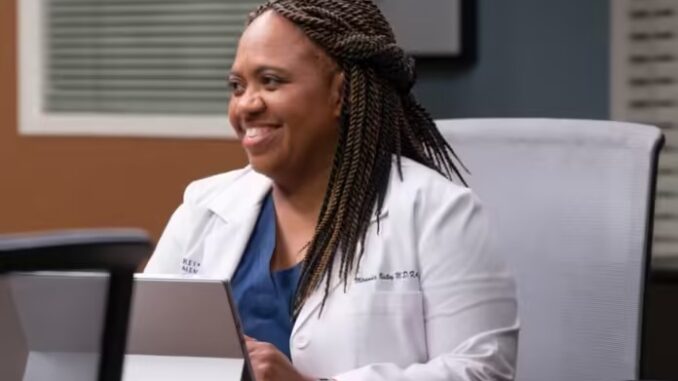
For more than two decades, Grey’s Anatomy has thrived on shocking twists, emotional trauma, and bold storytelling choices. Major characters have died in plane crashes, shootings, car accidents, and sudden medical emergencies. Yet one character who has remained a constant since the very beginning is Miranda Bailey, portrayed by Chandra Wilson.
So why, at various points in the show’s long history, did some fans actually call for Bailey to be killed off?
It sounds dramatic — and it is — but the conversation says more about audience expectations than it does about the character herself.
From “The Nazi” to Hospital Chief
When Grey’s Anatomy first premiered, Bailey quickly became a fan favorite. She was tough, sharp-tongued, intimidating, and fiercely protective of her interns. Her nickname, “The Nazi,” reflected her strict teaching style, but beneath that hard shell was compassion and integrity. Viewers admired her strength and leadership.
For years, Bailey represented stability. While characters like Derek, Mark, Lexie, and others faced tragic exits, Bailey endured. She survived personal crises, marital struggles, and professional setbacks. She rose through the ranks to become Chief of Surgery — a milestone that many fans celebrated.
But that promotion also marked a turning point.
The Shift That Sparked Backlash
As Chief, Bailey’s character evolved — and not everyone liked the change.
Some fans felt she became overly rigid or power-driven. Storylines involving hospital politics, insurance fraud consequences, and disciplinary decisions put her at odds with other beloved characters. In particular, her conflict with Meredith Grey divided the fandom. For longtime viewers who had watched Bailey mentor Meredith from intern to surgical icon, seeing them clash felt unsettling.
On social media, criticism grew louder. Some argued that Bailey had become hypocritical. Others believed the writers were stripping away the warmth that once defined her. In the heightened emotional landscape of the show — where death is often used as the ultimate narrative reset — a vocal minority began suggesting that killing Bailey off might “restore” the emotional core of the series.
It wasn’t necessarily about hatred. It was about frustration.
The Burden of Longevity
There’s something unique about being one of the last original characters standing on a long-running show. Bailey and Richard Webber carry the weight of the early seasons. They are living reminders of the show’s roots.
But longevity can be complicated. When characters stay for 20+ seasons, they inevitably change. Growth can feel like betrayal to viewers who fell in love with earlier versions. Leadership can look cold compared to mentorship. Authority can feel harsher than camaraderie.
For some fans, Bailey’s transformation from scrappy attending to hospital executive symbolized a broader shift in Grey’s Anatomy itself — from character-driven intimacy to institutional drama. In their eyes, killing her off would have been a shocking return to the high-stakes storytelling the show is known for.
Why Killing Bailey Would Be a Mistake
Despite the criticism, many fans strongly defend Bailey. She remains one of the most layered characters on television. Her struggles with OCD, her vulnerability as a mother, and her emotional exhaustion as Chief humanize her in ways that feel painfully real.
More importantly, Bailey represents resilience.
Grey’s Anatomy has always been about survival — physical, emotional, professional. Bailey surviving everything the hospital throws at her is powerful. Not every iconic character needs a tragic ending to validate their importance.
In fact, keeping Bailey alive may be the boldest choice of all.
The Passion Behind the Debate
The fact that fans even debate killing her off speaks to how deeply they care. Long-running shows rarely inspire this level of emotional investment. Whether viewers criticize or defend her, they are reacting to a character who feels real.
Miranda Bailey isn’t perfect. She’s flawed, proud, stubborn, compassionate, and sometimes contradictory — just like real people. And that complexity is exactly why she continues to matter.
At the end of the day, the calls to kill her off reflect the intensity of the Grey’s Anatomy fandom more than any failure of the character. Bailey has evolved, stumbled, and risen again. And perhaps that enduring presence — imperfect but persistent — is precisely why she remains essential to the heart of the series.