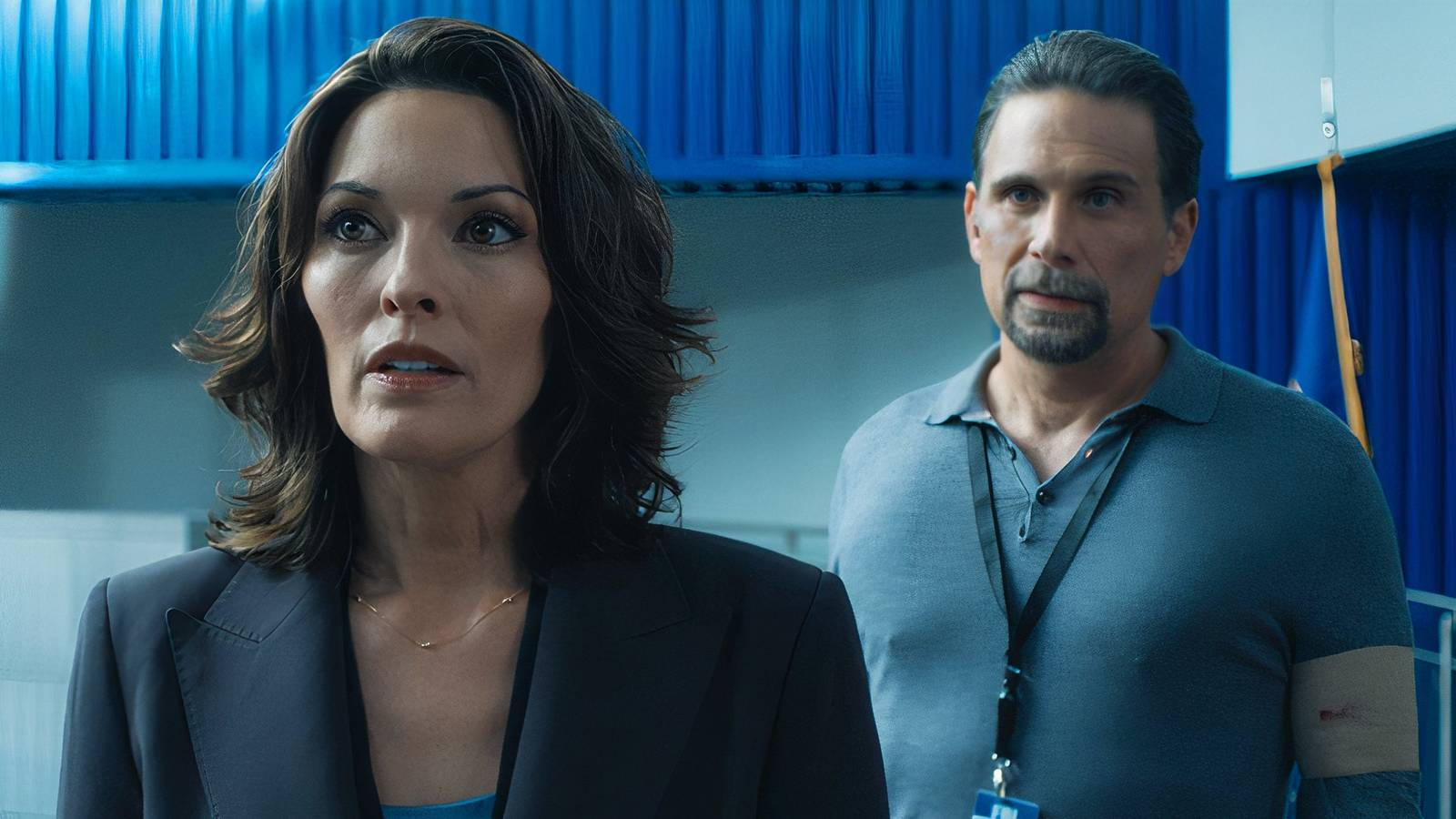
In the high-pressure ecosystem of the FBI’s New York Field Office, the 2025–2026 season has proven that the most dangerous threats are not always the ones lurking in the shadows of the city, but the ones that challenge the structural integrity of leadership itself. As FBI enters the heart of Season 8, titled “Forefront in Chaos,” the narrative spotlight has moved away from the tactical maneuvers of the field agents to focus on the psychological and professional endurance of the two pillars of the Bureau: Assistant Special Agent in Charge Jubal Valentine (Jeremy Sisto) and Special Agent in Charge Isobel Castille (Alana De La Garza). This season, a series of systemic crises—ranging from a sophisticated cyber-siege to a politically charged domestic insurgency—has forced both leaders into a crucible where their styles, their ethics, and their partnership are being tested to the breaking point.
The Crucible of Command
The primary crisis of the 2026 season involves an elusive extremist cell that has successfully infiltrated several municipal infrastructures. Unlike the “case-of-the-week” format of previous years, this season-long arc has placed Isobel and Jubal in a perpetual state of defensive management. For Isobel Castille, the challenge is largely political and strategic. As the face of the New York office, she is caught between the demands of the Department of Justice and the gritty reality of a city under siege. Alana De La Garza portrays an Isobel who is increasingly isolated by her own authority. In the standout episode “Chain of Command,” Isobel was forced to make a “lesser of two evils” decision involving the surveillance of private citizens to prevent a subway bombing. This choice created a rift between her and her superiors, testing her ability to lead when the law itself feels like a hindrance to justice.
For Jubal Valentine, the chaos is more visceral and internal. As the man who runs the Joint Operations Center (JOC), Jubal is the filter through which all information flows. When the office’s high-tech defenses were compromised by a localized EMP attack in mid-2026, Jubal was forced to lead “in the dark.” Jeremy Sisto captures the frantic energy of a leader whose primary tools have been stripped away. Without the digital monitors and the rapid-fire data streams, Jubal had to rely on raw instinct and the trust of his analysts. This “back-to-basics” leadership tested his temperament and his sobriety, revealing that his true power comes not from the technology he commands, but from the loyalty he inspires in his team.
The Friction of Partnership
One of the most compelling aspects of Season 8 is the evolving friction between Jubal and Isobel. Traditionally, they have been a unified front, but the “Chaos” arc has seen them clashing over the fundamental philosophy of the Bureau. Isobel, feeling the pressure from D.C., has leaned toward a more aggressive, preventative posture. Jubal, seeing the burnout in his analysts and the toll on the field agents, has championed a more cautious, human-centric approach.
In a pivotal scene during the mid-season finale, the two shared a rare, heated argument in Isobel’s office. The conflict wasn’t about the case; it was about the “weight of the badge.” Jubal accused Isobel of becoming a politician, while Isobel countered that Jubal’s emotional attachment to the team was clouding his tactical judgment. This interpersonal tension is the heartbeat of Season 8, proving that even the most seasoned leaders are susceptible to the corrosive nature of constant crisis. Their partnership is no longer just a professional necessity; it is a battleground for the Bureau’s moral soul.
Leading Through the Personal Storm
The leadership test in 2026 is further complicated by the personal lives of both characters. Isobel’s arc has explored her increasing loneliness and the sacrifice of personal happiness for the sake of the mission. Meanwhile, Jubal’s struggle with the health of his son, Tyler, and his own battle with the “ghosts of addiction” has made his leadership feel more fragile. The brilliance of the writing this season lies in how it weaves these personal stakes into the professional chaos. When Jubal is forced to choose between a life-saving medical update for his son and a life-saving tactical decision for the city, the “Forefront in Chaos” becomes a deeply personal reality.
Isobel’s leadership is tested when she must decide whether to bench Jubal for his own well-being. This decision—balancing the efficiency of the JOC against the health of her closest friend—is perhaps the most significant leadership hurdle she has faced in eight seasons. It highlights the “impossible math” of high-stakes command: how do you protect your people while protecting the city?
The Legacy of Season 8
As the season hurtles toward its conclusion, the “Chaos” arc is set to culminate in a massive multi-agency event that will require Isobel and Jubal to finally reconcile their differences. The renewal of FBI through the 2026–2027 cycle ensures that the fallout from these leadership tests will have long-term consequences. Whether they emerge as a stronger unit or as two leaders moving in different directions, the 2026 season has successfully humanized the hierarchy of the Bureau.
Ultimately, FBI Season 8 is a tribute to the resilience of those at the forefront. It proves that leadership is not about having all the answers, but about having the courage to make a choice when there are no good options. As the JOC monitors flicker back to life and the sirens continue to wail, Isobel Castille and Jubal Valentine remain the steady hands at the helm—scarred by the chaos, but still leading the way.