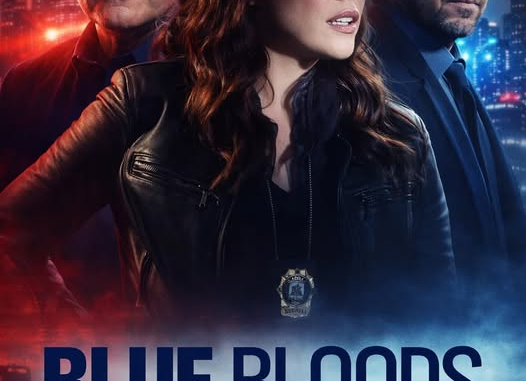
For over a decade, Blue Bloods hasn’t just been another crime drama. It’s been Sunday night tradition. A moral compass wrapped in a police procedural. A family dinner that millions of viewers felt invited to attend.
Now? The Reagan dynasty is at the center of a digital firestorm.
After months of whispers about behind-the-scenes tensions, contract uncertainty, and a controversial spin-off push, the Blue Bloods fandom is more divided than ever. Is this the beginning of a bold new era — or the unraveling of a legacy?
Let’s unpack the chaos.
The Fallout No One Saw Coming
When rumors surfaced that key cast members from Blue Bloods were unhappy with the direction of the franchise, fans initially dismissed it as routine end-of-season speculation.
But then came the subtle clues.
Vague interviews. Carefully worded statements about “creative differences.” Social posts expressing gratitude that felt suspiciously like goodbye notes.
Suddenly, what seemed stable for fourteen seasons began to feel fragile.
The Spin-Off That Sparked a Civil War
The real explosion? Talk of a potential spin-off centered around a next-generation Reagan or an entirely new city branch of law enforcement.
On paper, it sounds strategic. Franchise television is thriving. Expanding a proven universe is a logical move.
But for loyal viewers, it felt like betrayal.
Some fans argue that shifting focus away from the core Reagan family undermines what made the show special. Others believe evolution is necessary to survive in a competitive television landscape.
The result: a fandom split straight down the middle.
Cast Tensions or Smart Negotiation?
At the heart of the storm is Tom Selleck, whose portrayal of Frank Reagan has anchored the series since day one.
Industry chatter suggests that contract negotiations have grown increasingly complex as production costs rise. Veteran actors commanding long-running roles often renegotiate from a position of strength — and that can create friction.
Co-stars like Donnie Wahlberg and Bridget Moynahan have remained publicly supportive, but fans have dissected every public appearance for signs of strain.
Is there a genuine rift? Or is this simply high-stakes business playing out in the public eye?
Why This Moment Feels Different
Long-running shows often face crossroads. But this one carries emotional weight.
Season 14 didn’t just tell stories. It reflected on legacy.
Frank questioning his future in leadership.
Danny confronting personal exhaustion.
Erin reassessing her professional path.
When characters begin contemplating transition, viewers sense it instinctively. It feels like narrative groundwork — either for a farewell or a handoff.
And that possibility has made longtime fans uneasy.
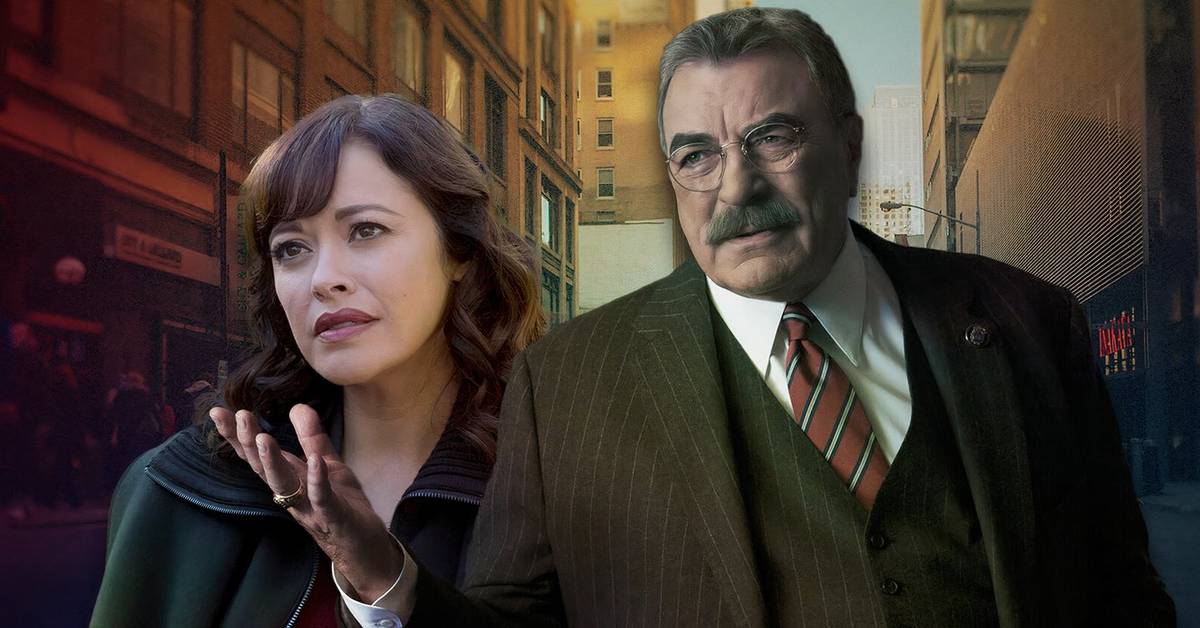
The Network Chessboard
Originally launched on CBS, the show has been one of the network’s most reliable performers.
But television economics have changed dramatically. Production costs for veteran-led dramas climb with each season. Advertising models shift. Streaming strategy complicates renewal decisions.
In that environment, spin-offs are often seen as cost-effective reinventions rather than risky gambles.
The question is whether expanding the brand strengthens it — or dilutes it.
Social Media Erupts
Hashtags calling for “Justice for the Reagans” trended within hours of the spin-off rumor resurfacing.
Some fans argue that the series should end with dignity rather than morph into something unrecognizable. Others insist the universe deserves to grow, citing the success of other franchise expansions across television.
Debate threads stretch thousands of comments deep. Every casting rumor becomes a battleground.
The emotional investment is undeniable.
Is the Core Cast Fracturing?
Speculation intensified after reports suggested that not all original cast members were equally enthusiastic about extending their roles into a restructured format.
While no official statement confirms internal conflict, the lack of unified messaging has fueled suspicion.
When ensembles stay silent during controversy, fans fill in the blanks themselves.
The Legacy Problem
Here’s the deeper issue: Blue Bloods built its reputation on stability.
Family dinners. Moral debates. A sense of order in a chaotic world.
Tampering with that formula risks alienating the very audience that sustained it for over a decade.
But refusing to evolve risks stagnation.
It’s a delicate balance between honoring tradition and chasing longevity.
Could This Be a Strategic Reinvention?
There’s another possibility.
What if the tension isn’t collapse — but calculated transformation?
Franchises often use controversy to generate buzz before unveiling major announcements. A spin-off could coexist with the original for a limited time. A character exit could pave the way for a bold narrative shift.
In modern television, silence often precedes a seismic reveal.
What This Means for the Fans
For viewers who have spent fourteen years at that Reagan dinner table, this isn’t just programming. It’s ritual.
The fear isn’t simply cancellation. It’s losing the tone, the values, and the dynamic that made the show distinct in the crowded procedural field.
If change is coming, fans want assurance that it will respect the DNA of the original.
End of an Era — or a Power Move?
Right now, no official confirmation has settled the debate.
But one truth is clear: the Blue Bloods universe is at a turning point.
Whether this moment leads to a respectful curtain call, a controversial reinvention, or a franchise expansion that redefines the brand, the stakes have never felt higher.
The Reagan family has weathered political storms, internal conflict, and citywide crises.
Now, they face their most unpredictable challenge yet — their own future.
And the fandom? It’s watching every move.