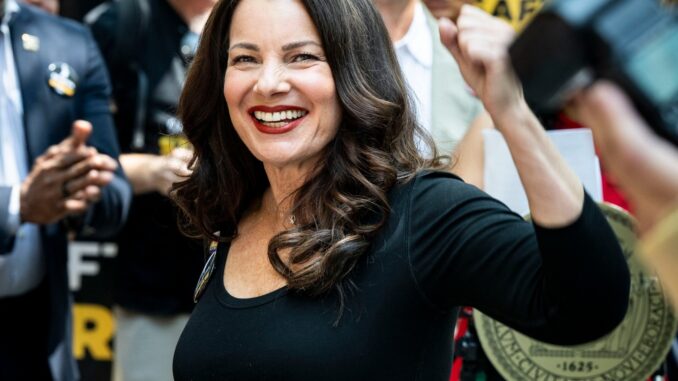
When the cameras stopped rolling and picket signs went up, Fran Drescher didn’t just step into the spotlight — she stepped into battle.
As president of SAG-AFTRA, Drescher became one of the most recognizable faces of the historic Hollywood strike, but behind the contract negotiations was something even bigger: a warning about misogyny, unchecked technology, and the future of creative labor itself.
In a fiery, no-holds-barred conversation, Drescher pulled back the curtain on what she calls “systemic disrespect” toward performers — particularly women — in an industry rapidly shifting toward AI and digital replication. The fight, she insists, was never just about paychecks. It was about dignity. Consent. Survival.
“Technology should enhance artists — not erase them,” she argued, addressing fears that artificial intelligence could scan, store, and reuse actors’ likenesses without fair compensation or control.
But it was her comments on misogyny that truly struck a nerve. Drescher suggested that dismissive attitudes during negotiations reflected deeper cultural biases — a pattern of undervaluing voices when they refuse to stay quiet. The statement sparked intense debate across social media, with supporters praising her courage and critics pushing back on her framing.
Still, one thing is undeniable: she reframed the strike as more than a labor dispute. It became a cultural flashpoint — about who holds power, who profits from innovation, and who gets left behind.
From sitcom star to union leader, Fran Drescher has transformed into one of Hollywood’s most outspoken defenders of workers’ rights. And whether you agree with her or not, she’s made it clear: the future of entertainment won’t be decided without a fight.