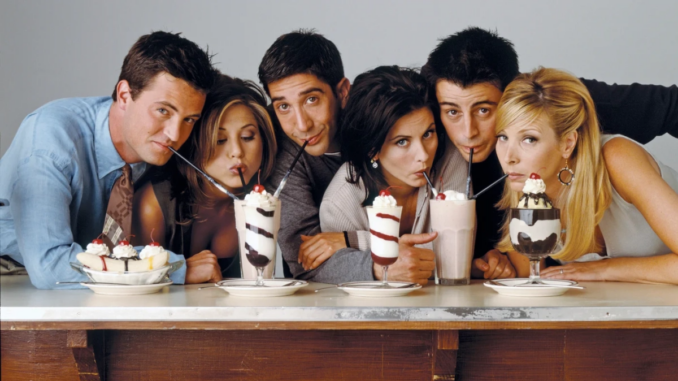
For years, Friends lived comfortably in the nostalgia hall of fame. It was the comfort binge. The background noise of late nights. The endlessly quoted sitcom that somehow never aged.
And then, suddenly, it felt urgent again.
A wave of renewed debate—sparked by cast interviews, behind-the-scenes reflections, and shifting industry conversations—has pushed Friends back into the cultural spotlight. But this time, it’s not just about Central Perk laughs. It’s about legacy, loss, and the complicated truth behind one of television’s most beloved ensembles.
Let’s break down why the conversation has reignited—and why one cast member remains at the center of it all.
The Matthew Perry Effect: Grief, Reflection, and a New Lens on Fame
No discussion about the current Friends resurgence can begin without acknowledging the emotional aftershock surrounding Matthew Perry.
His portrayal of Chandler Bing was more than comic timing—it was vulnerability disguised as sarcasm. In recent months, fans have revisited his memoir, rewatched pivotal episodes, and reanalyzed interviews with a new perspective. What once felt like effortless humor now carries deeper emotional weight.
The public reflection on Perry’s struggles with addiction and fame has reframed the show for many viewers. Jokes hit differently. Silences feel heavier. And Chandler’s self-deprecating humor now reads as layered, even protective.
The conversation isn’t just about nostalgia. It’s about understanding the human behind the punchlines.
The Reunion That Changed the Tone
When Friends: The Reunion aired, it was marketed as a celebration. A joyful return to Stage 24. A long-awaited gathering of six actors who shaped a generation.
But in hindsight, fans are dissecting that special with sharper eyes.
Moments that once seemed playful now feel bittersweet. Perry’s quieter demeanor during the reunion has become a focal point of discussion. Was it exhaustion? Anxiety? Something deeper? The speculation has fueled online debates about the hidden pressures of revisiting a global phenomenon decades later.
The reunion wasn’t just a look back. It was a reminder that time doesn’t freeze—even if reruns make it feel like it does.
Jennifer Aniston and the “Would We Ever Reboot?” Question
Another flashpoint in the renewed buzz surrounds Jennifer Aniston.
In recent interviews, Aniston has spoken candidly about the impossibility of recreating Friends without its original chemistry—especially after losing a core member of the cast. Her comments have effectively shut down serious reboot speculation, but they’ve also sparked conversation about whether some shows should remain untouched.
Fans are divided.
Some argue a limited revival could honor the legacy. Others insist that Friends belongs to a specific era and shouldn’t be re-engineered for streaming algorithms.
And then there’s the deeper question: can lightning strike twice when the original storm was so culturally defining?
Cultural Reappraisal: Is ‘Friends’ Still Untouchable?
Beyond cast reflections, Friends is also undergoing a broader cultural reassessment.
Younger viewers discovering the series on streaming platforms are analyzing it through a modern lens—questioning representation, social dynamics, and storylines that once went unchallenged. Meanwhile, longtime fans defend its context, arguing that it reflects the 1990s landscape in which it was created.
The debate isn’t about canceling the show. It’s about understanding it fully.
Few sitcoms have maintained such dominance across decades. And with dominance comes scrutiny.
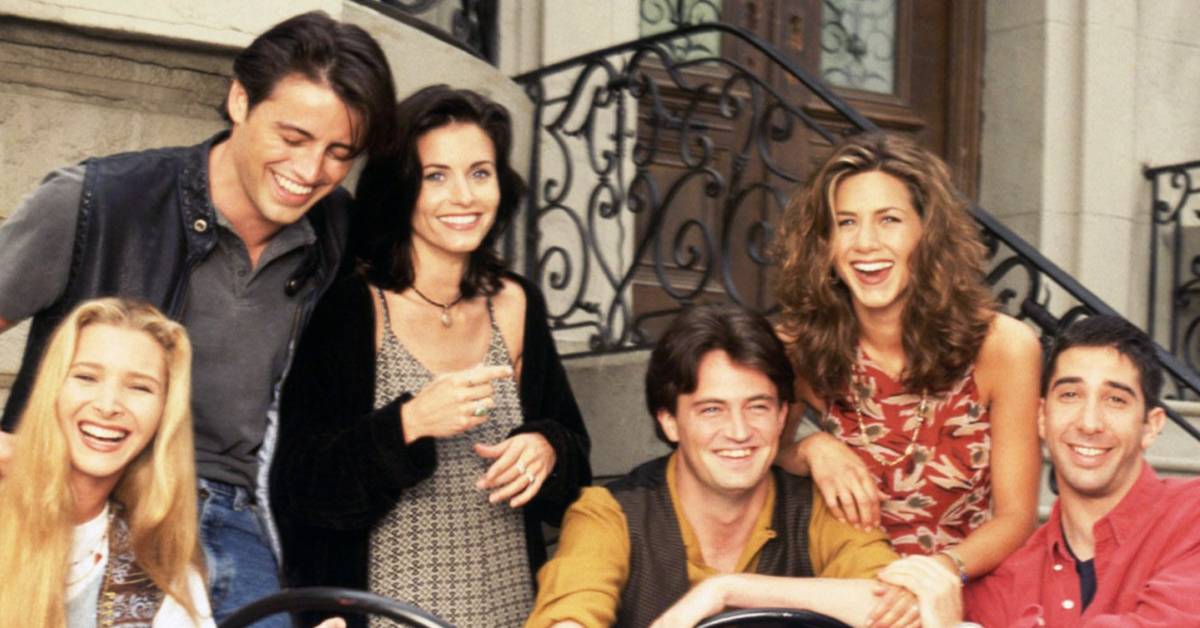
The Ensemble Legacy: A Chemistry That Changed Television
It’s impossible to discuss the renewed attention without acknowledging the full cast:
-
Courteney Cox as Monica Geller
-
Lisa Kudrow as Phoebe Buffay
-
Matt LeBlanc as Joey Tribbiani
-
David Schwimmer as Ross Geller
Together, they negotiated historic salary deals, demanded equal pay, and redefined what an ensemble sitcom contract could look like. Their off-screen unity became part of the show’s mythology.
Now, as the cast speaks more openly about the pressures of overnight global fame, fans are learning that the fairy tale was more complicated than it appeared.
And that complexity makes the legacy richer—not weaker.
Why the Show Feels Different in 2026
Streaming has given Friends a second life. Algorithms introduced it to Gen Z. Clips go viral weekly. Quotes become memes. Scenes are dissected on video essays.
But the emotional atmosphere has shifted.
What once felt like a carefree Manhattan fantasy now carries the weight of hindsight. We know how the actors’ lives unfolded. We know the cultural debates that followed. We know the behind-the-scenes pressures of sustaining a ten-season juggernaut.
That awareness changes the viewing experience.
The Business Angle: Why Studios Won’t Let It Fade
From a corporate perspective, Friends remains gold. Licensing battles between major platforms have proven just how valuable the show still is. It’s not just a sitcom—it’s intellectual property with multigenerational pull.
Yet the cast’s unified stance against a traditional reboot signals something rare in franchise television: restraint.
In an era obsessed with revivals, the refusal to recreate may actually strengthen the brand.
Social Media’s Role in the Resurgence
Within hours of any cast interview surfacing, clips trend globally. Fans parse body language. They compare then-and-now photos. They debate whether the group dynamic has shifted.
It’s not just admiration. It’s participatory nostalgia.
The fandom isn’t passive. It’s investigative.
And every new quote from a former cast member becomes fuel for another wave of discourse.
Is This a Farewell—or a Transformation?
Here’s the twist: Friends isn’t ending again. It ended in 2004.
But emotionally, fans are experiencing a second goodbye.
The loss of a cast member. The acknowledgment that time has passed. The confirmation that a reboot is unlikely. All of it creates a sense of finality that didn’t exist even during the original finale.
Yet something else is happening too.
The show is evolving from a sitcom into a cultural artifact. Studied. Debated. Preserved.
The Legacy Question
What makes Friends endure?
It’s not just the jokes. It’s the archetypes. The “found family” blueprint that influenced countless series after it. The apartment that felt like home. The theme song that still triggers instant recognition.
And perhaps most importantly, the flawed humanity behind the laughter.
The renewed attention isn’t about scandal. It’s about reflection.
Conclusion: Why the Conversation Matters Now
Friends has entered a new chapter—not on screen, but in cultural memory.
The cast’s candid reflections, the emotional resonance of Matthew Perry’s legacy, and the debate over reboot possibilities have transformed the way audiences engage with the show.
It’s no longer just comfort television.
It’s a time capsule. A case study. A reminder that behind every iconic punchline is a real person navigating extraordinary pressure.
The question isn’t whether Friends can return.
It’s whether we’re finally ready to see it—fully, honestly, and with the nuance it always deserved.