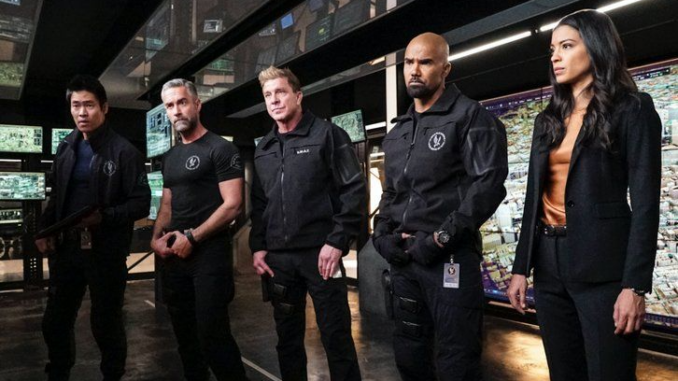
The S.W.A.T. Episodes That Left a Deep Impression on Fans
Not every police procedural lingers in your mind after the credits roll. Some entertain for an hour and fade. But certain episodes of S.W.A.T. do something different—they stick.
They spark debate.
They trigger emotion.
They make fans rewatch scenes.
So why have specific S.W.A.T. episodes left such a deep impression on viewers?
More Than Just Tactical Action
At first glance, S.W.A.T. is built on high-intensity operations: coordinated raids, split-second decisions, and escalating threats. The action is tight, disciplined, and often cinematic.
But the episodes fans remember most aren’t just about explosions or arrests.
They’re about consequences.
When an operation tests loyalty, strains leadership, or forces a moral compromise, the tension becomes personal. That shift—from external danger to internal conflict—is what leaves a mark.
Hondo as the Emotional Center
Much of the series’ emotional weight flows through Shemar Moore as Hondo.
He isn’t written as a one-dimensional commander. He carries the pressure of leadership while navigating community expectations and institutional demands. Episodes that challenge his identity often resonate most strongly with fans.
Why?
Because leadership under fire feels real. Watching Hondo balance authority and empathy creates stakes that go beyond the mission itself.
When the commander doubts, the audience leans in.
Episodes That Reflect Real-World Tension
Some of the most impactful storylines tap into social themes—trust between law enforcement and the community, cultural tension, institutional accountability.
When fiction intersects with reality, emotional response intensifies. Viewers don’t just watch the story unfold; they measure it against the world they live in.
That friction creates discussion. Discussion builds memory. And memory cements impact.
Character-Driven Moments That Hit Hard
Action may attract viewers, but vulnerability keeps them invested.
Episodes that explore personal backstories, internal struggles, or fractured relationships often leave the strongest impression. When team members confront trauma or question their own choices, the uniform feels secondary.
The tactical gear fades. The human being stands exposed.
That’s when connection happens.
High-Stakes Turning Points
Some S.W.A.T. episodes alter the trajectory of characters permanently. Relationships shift. Trust fractures. Decisions carry long-term consequences.
Fans remember these episodes because they feel irreversible.
They’re not filler. They’re defining moments.
When a story changes direction instead of resetting, it becomes memorable.
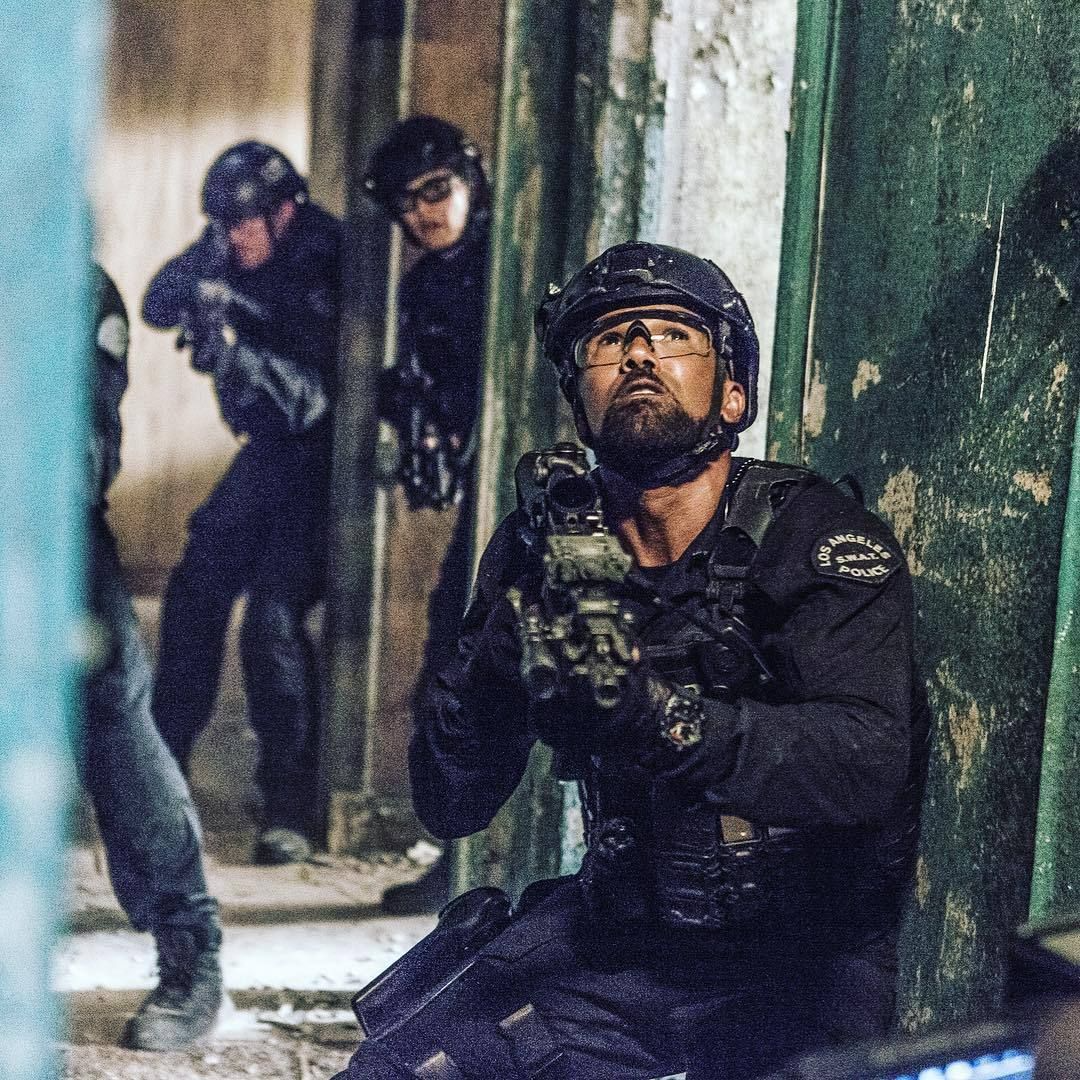
Cinematic Scale That Elevates the Series
Impact doesn’t always come from emotional depth alone. Some episodes leave an impression because they feel larger than network television.
Extended tactical sequences, multi-location crises, and layered threats raise the adrenaline. When executed precisely, these episodes feel like feature-length events compressed into one hour.
Fans remember spectacle—but only when it serves story.
The Balance Between Intensity and Humanity
S.W.A.T. succeeds when it balances high-pressure operations with grounded human moments.
After a chaotic mission, a quiet scene of reflection can amplify emotional resonance. That contrast prevents exhaustion and keeps the audience emotionally available.
Intensity without pause overwhelms. Pause without tension bores.
The most impactful episodes strike equilibrium.
Fan Conversations Amplify Impact
Impact grows through community.
After powerful episodes air, fans analyze leadership decisions, debate moral choices, and dissect key scenes. Social discussion extends the life of an episode beyond its runtime.
What begins as a strong storyline becomes a shared cultural moment.
And shared moments last longer.
Why Certain Episodes Get Rewatched
Rewatch value is the clearest indicator of deep impression.
Fans revisit:
-
Episodes centered on Hondo’s internal conflict
-
Missions with unexpected emotional fallout
-
Storylines that reshape team dynamics
These episodes combine adrenaline and authenticity. They reward attention. They reveal nuance on second viewing.
That layered construction keeps them alive.
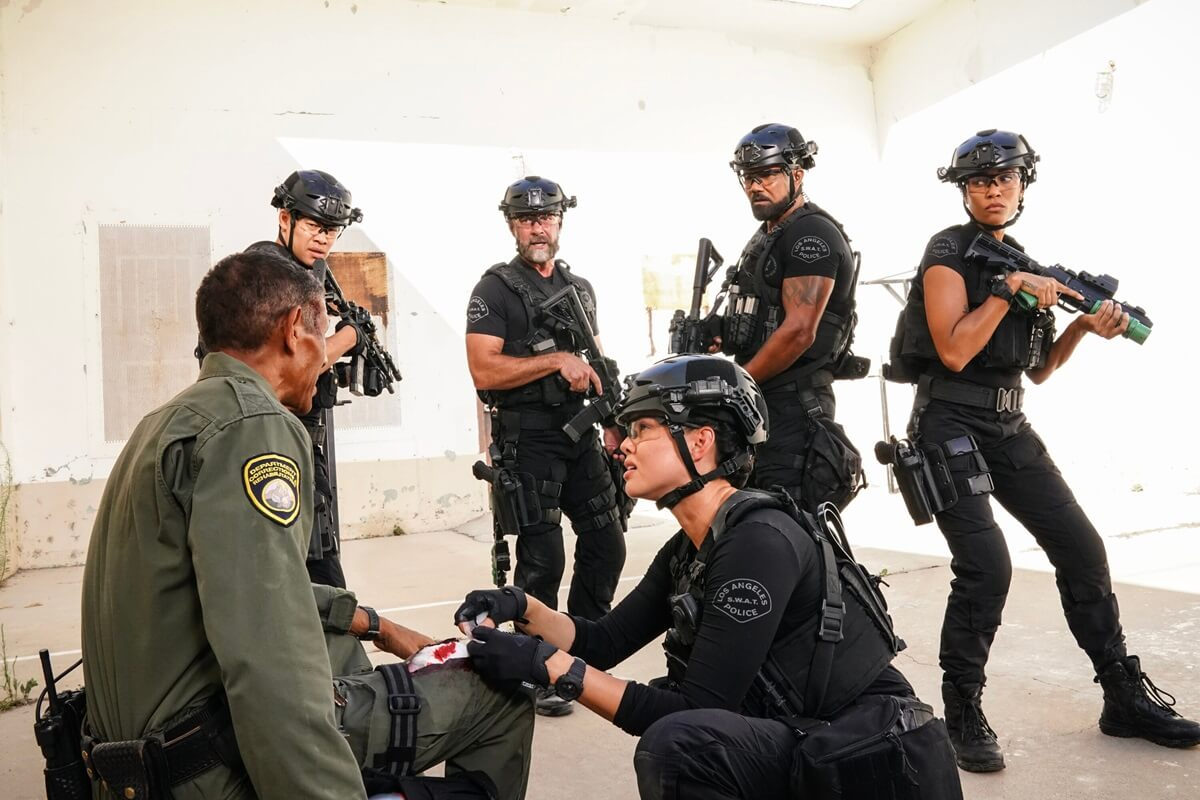
What Makes an Episode Truly Unforgettable
The most memorable S.W.A.T. episodes share common elements:
-
Emotional stakes beyond the mission
-
Leadership under pressure
-
Real-world thematic relevance
-
Strong performance delivery
-
Consequences that extend beyond one episode
When these factors align, the result is powerful.
Remove one, and the impact weakens.
Combine all five, and fans don’t just watch—they feel.
Conclusion
The S.W.A.T. episodes that left a deep impression on fans did more than deliver action. They blended tactical precision with emotional vulnerability. They challenged characters instead of protecting them. They reflected real tension instead of avoiding it.
Anchored by Shemar Moore’s commanding performance and supported by disciplined storytelling, these episodes transformed a procedural drama into something more lasting.
Some television entertains.
Some television resonates.
The most powerful S.W.A.T. episodes do both.
FAQs
1. Why do certain S.W.A.T. episodes feel more impactful than others?
Because they combine action with emotional and moral complexity.
2. Who plays Hondo in S.W.A.T.?
Hondo is portrayed by Shemar Moore.
3. Does S.W.A.T. address real-world issues?
Yes, several episodes incorporate themes related to community relations and leadership challenges.
4. Are the most memorable episodes action-focused or character-focused?
The most impactful episodes typically balance both elements.
5. Why do fans rewatch specific episodes?
Because those episodes feature defining character moments and meaningful consequences.